Workplace Wellness Rooms: 6 Design Tips for a Healthier Office - DENTON
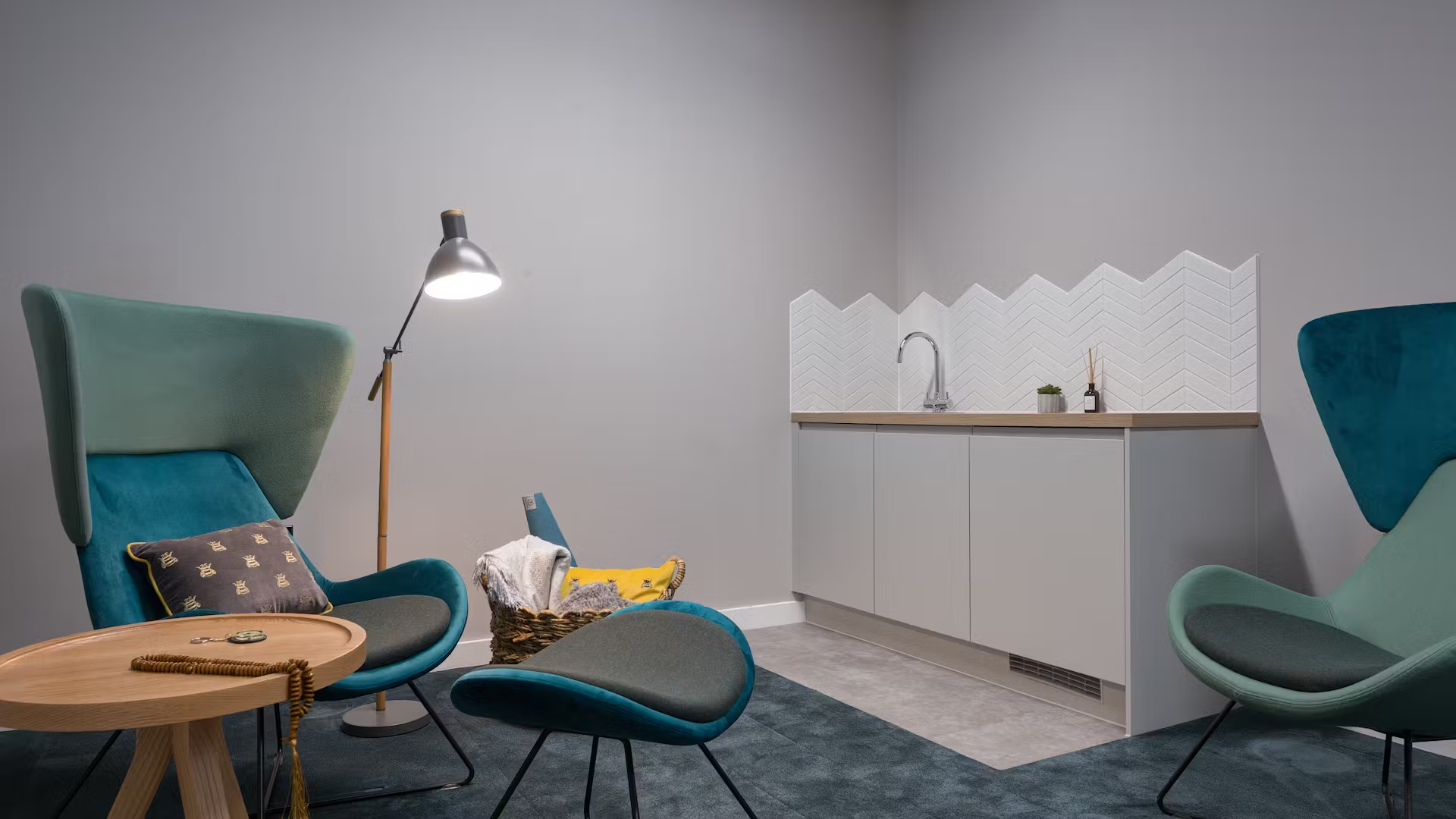
Employee wellbeing is becoming crucial for businesses to prioritise, as mental ill health is now the most common cause of work-limiting conditions among those aged 44 years and younger. As industry leaders recognise the impact of mental health on productivity, employee satisfaction and retention, businesses are looking to make design changes to their office that better support their employees. Fostering good mental health not only boosts morale but also improves employee performance and reduces absenteeism.
Wellness Rooms to Support Employees
A wellness room is a dedicated space where employees can step away from their desks to relax, recharge, and manage stress. It can serve various purposes, including meditation, stretching, or just taking a break from work. Wellness rooms are a great place to start improving employee wellbeing, as 91% of people say they need casual spaces to re-energise, but more than half still have no place to go within their workplace.
Various aspects of office design should be taken into account when introducing wellness rooms to workplaces. In this article, we share six key design considerations and discuss the impact they can have on your business and staff.
1. Prioritising Privacy
When designing wellness rooms, a significant consideration should be privacy for the user. If they are located centrally or in high-traffic areas, this might hinder their effectiveness as people may feel embarrassed to use them in a public setting. Unfortunately, around half of the UK population still feel that there is shame associated with mental health conditions. If the wellness room is out of sight, everyone can feel like they can use it without judgement. Wellness rooms can utilise materials like frosted glass so the user can feel fully secure when using the space. Another consideration could be a locking system or signage to show that the room is in use, so the user can have peace of mind knowing they have the space to themselves if needed.
2. Biophilic Design
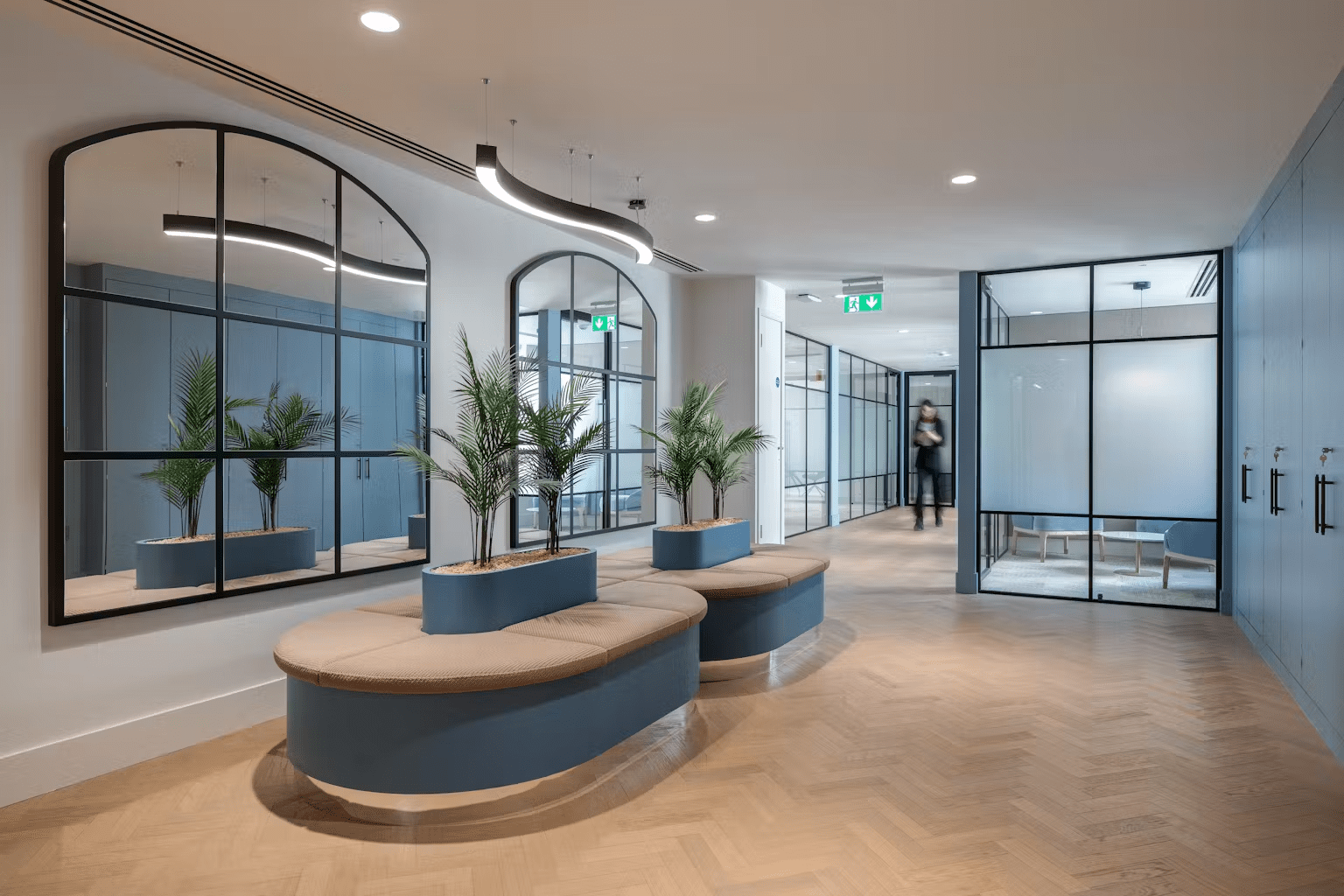
Biophilic design is important in all areas of office design as green spaces with plants can increase workplace satisfaction. Biophilic design reduces stress and enhances overall moods, making it an obvious element to also include in your wellness rooms. Studies have found that access to natural light and plants reduces stress, not to mention plants’ benefits in improving air quality. Biophilic design goes beyond aesthetics, it creates an environment that nurtures mental and physical wellbeing.
3. Sensory Flexibility
Neurodiverse employees can experience increased stress from sensory overloads such as noise levels, harsh lighting, or crowded spaces. A wellness space designed with sensory flexibility in mind can significantly enhance the experience for all employees, particularly those with sensory sensitivities.
This can be done by including adjustable lighting options – like dimmable or multiple lighting options. The addition of coloured lights can further help create a personalised and calm environment. Also, designing an agile workspace with flexible furniture arrangements that can be easily adjusted for individual needs allows employees to choose what feels best. Providing adjustable sound options, such as white noise machines or soft music, can help create a tranquil environment. Using sound-absorbing materials like carpets, curtains, and acoustic panels can further help create a quiet and calming wellness focussed environment.
4. Tech-Free Zones
Designing a wellness space that encourages users to unplug and disconnect from technology can foster mindfulness and give employees a much-needed break from screens. Spending too much time on your phone or laptop can contribute to stress, anxiety, eyestrain, and headaches. The absence of technology promotes relaxation and rest, and is an important respite from a constant influx of information.
5. Inclusive & Accessible Design
Universal design principles are crucial for ensuring that a wellness room welcomes everyone, regardless of physical abilities. This approach empowers every employee to use the space comfortably and confidently. Key features include wheelchair-accessible entrances, clear pathways to avoid obstacles, and adjustable height furniture to accommodate various needs. Additionally, ensuring that the office layout allows for easy navigation can enhance accessibility for all users. By prioritising these elements, organisations create an accessible and inclusive work environment that encourages participation from every employee, promoting overall wellbeing and engagement.
6. Calming Colour Schemes
Incorporating thoughtful colour schemes in wellness rooms is essential to fostering a soothing atmosphere that promotes relaxation and rejuvenation. Soft blues and greens are excellent choices, as they evoke feelings of tranquillity and calmness, creating an environment ideal for mindfulness and restorative practices. These cool hues can be complemented by neutral tones such as light beiges or creams, offering a warm backdrop that enhances comfort for users.
To create a balanced environment, warm accent colours like gentle yellows or muted oranges can be introduced sparingly. These colours can uplift the mood and infuse the space with energy without overwhelming the senses. By strategically selecting colour palettes, wellness rooms can effectively support mental and emotional health, making them sanctuaries for employees to unwind and recharge.
DENTON, creating responsible workspaces for all
At DENTON, we understand the importance of wellness rooms in creating a balanced workplace. Our approach to office design prioritises employee wellbeing, ensuring that every workplace fosters creativity and relaxation. Whether you’re looking to enhance existing wellness spaces or start from scratch, we’re here to help.
To inspire your next project, take a look through our neurodiversity hub for more expert insights and examples of inclusive office design. Or, if you’re ready to discuss your next design or fit-out, drop a message to our team today.

With ten years of experience in the design and build industry, Ben is highly passionate about his work as an Interior Designer. Through creative collaboration, Ben has been involved in many of the pivotal jobs that have come through the door at DENTON. He has built lasting relationships with our clients to create innovative solutions for their space.
Have a project in mind?
- Experience
- Creativity
- Integrity
- Experience
- Creativity
- Integrity
- Experience
- Creativity
- Integrity
- Experience
- Creativity
- Integrity
- Experience
- Creativity
- Integrity
- Experience
- Creativity
- Integrity
- Experience
- Creativity
- Integrity
- Experience
- Creativity
- Integrity
- Experience
- Creativity
- Integrity
- Experience
- Creativity
- Integrity