Considerations When Designing A Workplace For Neurodiversity
Workspaces should be agile and dynamic – that is, able to flex based on an individual’s work styles and preferences. Accommodating different levels of sensory sensitivity is key, as is wayfinding and directional signage.
Sensory Differences
Everyone’s different. We all experience sights, sounds and smells differently. In this regard, some neurodiverse individuals may have heightened sensitivities. It’s important to consider whether factors like patterns on manifestations, flooring and walls, colour schemes, lighting, noise levels, and layout risk are overwhelming.
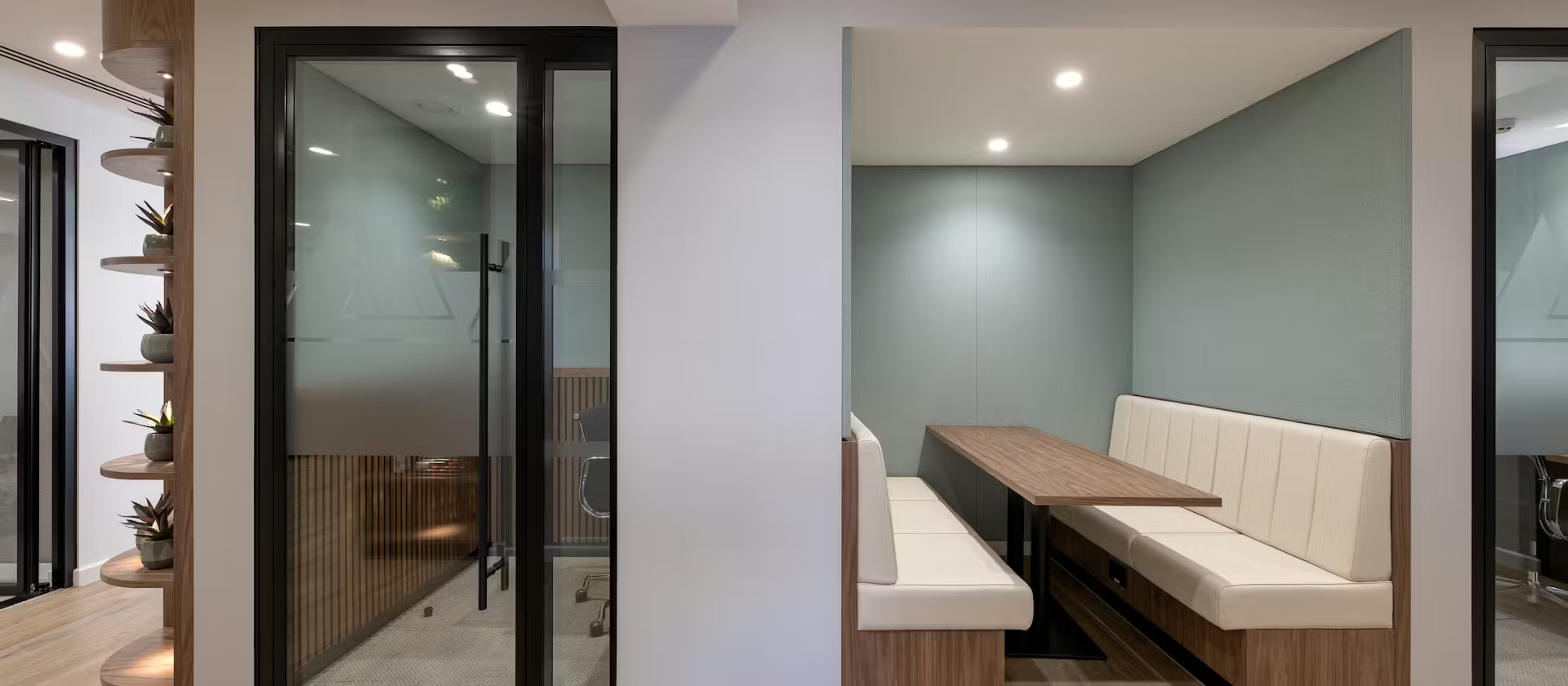
The solution: Offering employees the chance to easily take a break from potentially overbearing stimuli. This might take the shape of a quiet zone, an acoustic pod, adjustable lighting or simply excellent all-round soundproofing.
Wellbeing Spaces
We all benefit from being able to take a retreat and recharge — this is often particularly true for people with neurodivergent traits.
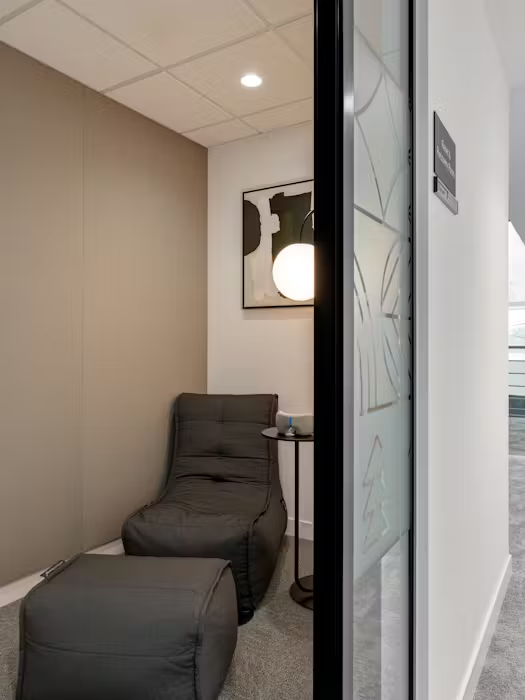
A key tool for accommodating sensory differences is to dedicate places to adjourn from the traditional office environment. These spaces should be optimised for human wellbeing, offering rejuvenation and stress reduction.
- Quiet zones: Whether for focused work or relaxation, these areas should have minimal distractions, be impeccably soundproofed and be equipped with comfortable, flexible seating.
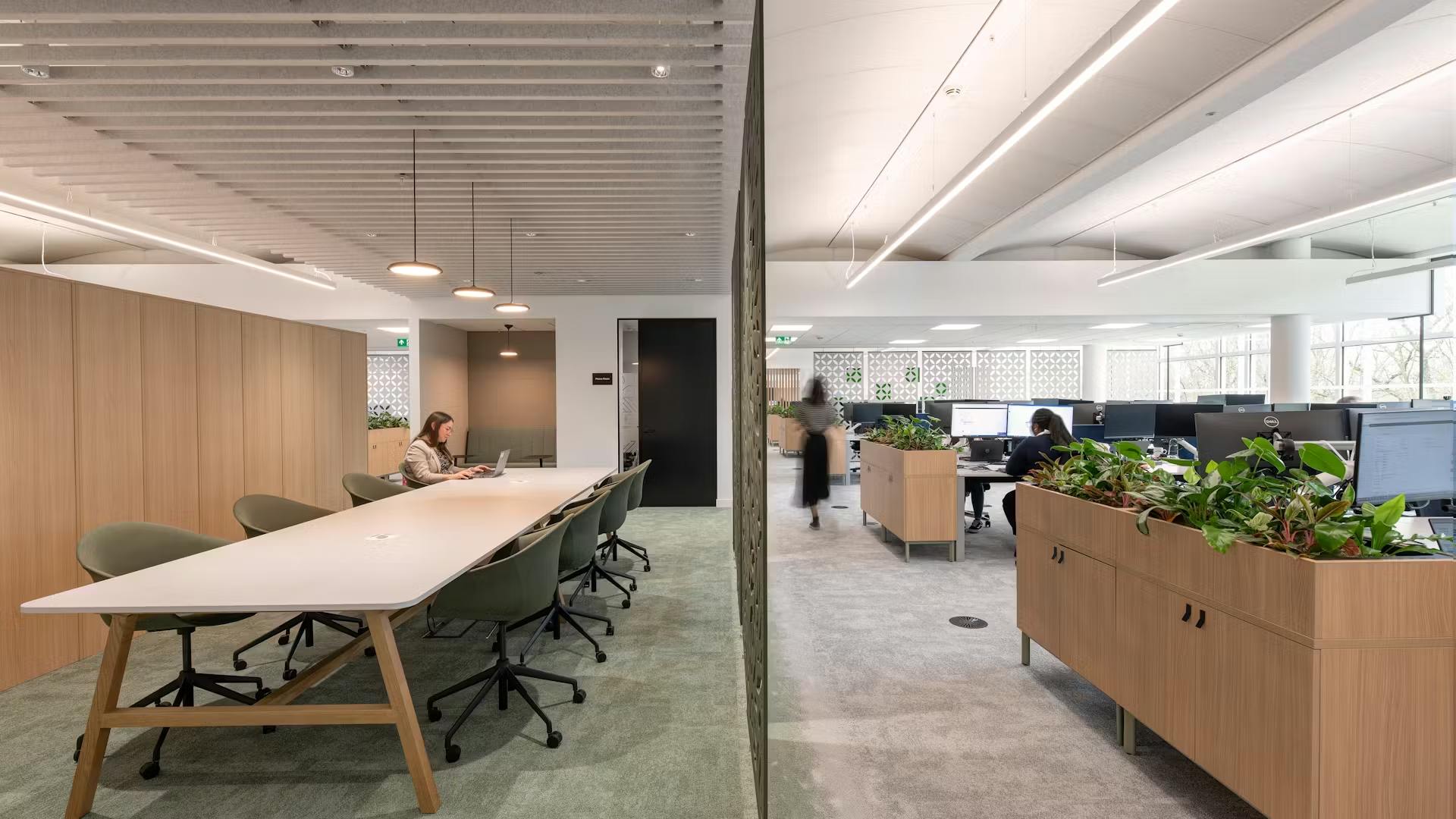
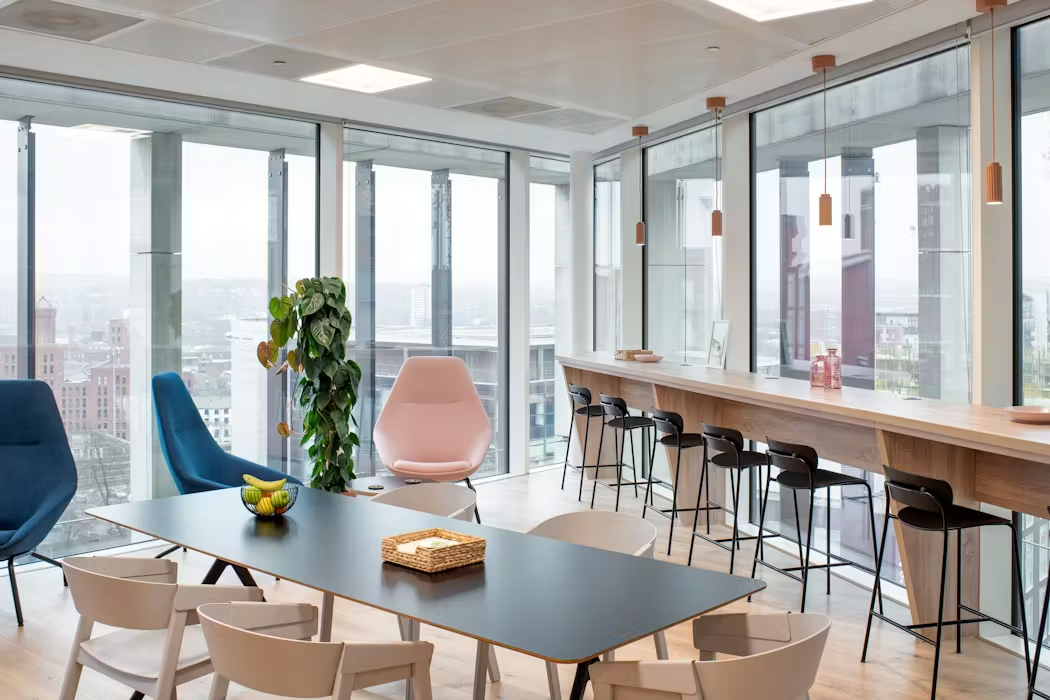
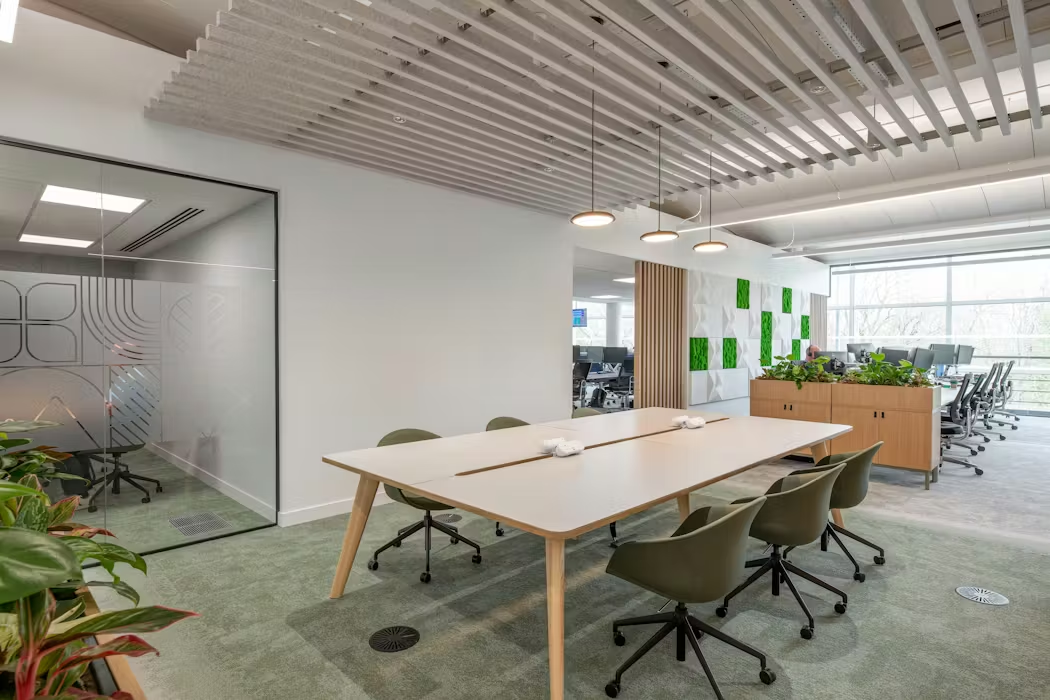
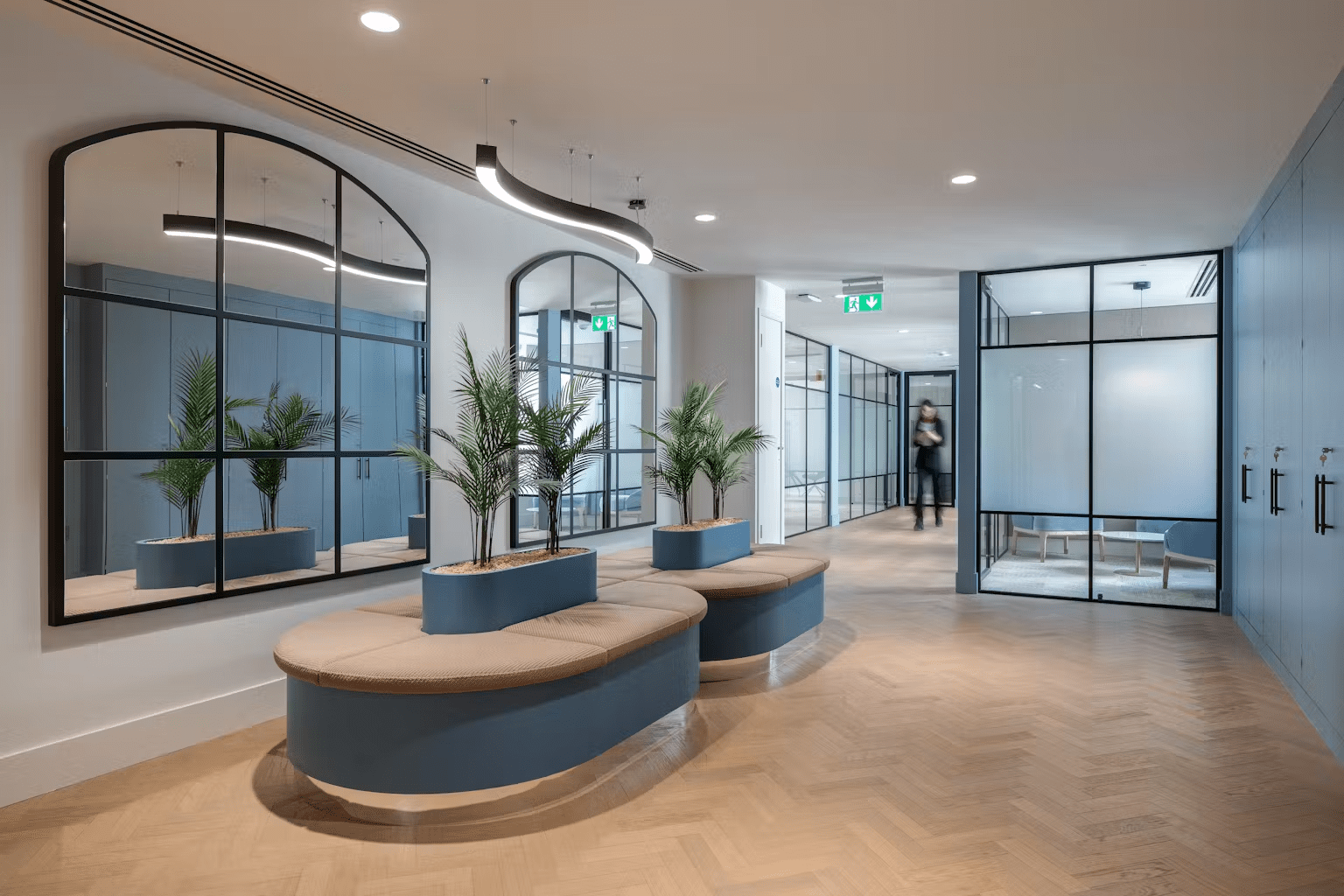
- Nature-inspired environments: Humans are biophilic — nature and nature-inspired designs make us feel more relaxed, supporting brain function and physical health. You can ‘bring the outdoors in’ with plants, natural light and surfaces like wood.
- Multi-sensory rooms: Features like adjustable lighting, soothing sounds and tactile elements can accommodate a range of sensory needs.
Flexibility and Autonomy
Research shows that furniture and aesthetics are two of the strongest factors impacting employee satisfaction and perceived productivity. We all feel more satisfied in workspaces that feel our own.
This ability to modify and adapt the work environment to suit one’s work style is especially important for neurodivergent people. As we touched on above, wellbeing spaces can be key here. Think also about flexible workstations, adjustable furniture, and designated, acoustically optimised areas for focused work and collaboration.
Provide adaptable furniture that allows employees to customise their space according to their preferences — whether sitting, standing, or lounging.
This not only caters to everyone’s needs and helps everyone do their best work, but it also builds trust between employees and senior teams.
Wayfinding and Communication
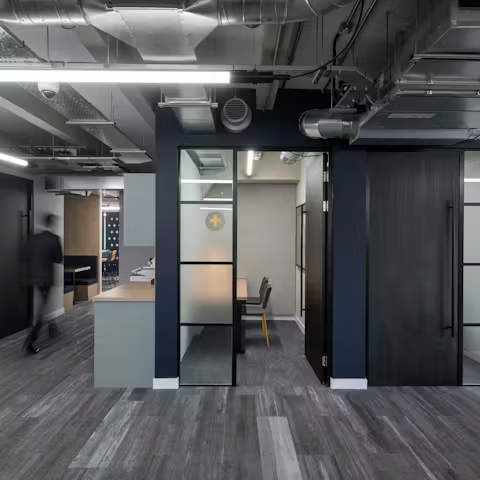
Neurodiverse individuals may struggle to interpret social cues or implicit instructions. Office design should deliver clear, unambiguous communication through visible signage, consistent layout and accessible meeting spaces.
Do you frequently have clients and guests visiting? First impressions matter. Clear, simple, easy-to-follow signage makes that initial experience with your brand as pleasurable as possible, whether someone has neurodivergent traits or not.
Our Cat A office design for Amnesty International is a great example of how to create a space with optimised wayfinding.

Supportive Culture
Alongside office design, a positive, supportive culture is one of the biggest predictors of employee satisfaction, improving employee retention, achievement-striving ability and productivity.
So, beyond the physical, be sure to embrace neurodiversity culturally, too. Promote awareness and understanding, provide training on neurodiversity, or offer interesting educational resources for employees to explore.
DENTON, creating inclusive workspaces
We have over 27 years’ experience designing and building innovative, inspiring and accessible workspaces that empower employees to do their best work.
We offer the full suite of interior office design services, from complete office design and build to simply furniture procurement. Our talented team designs to best practice principles, creating inclusive spaces that allow those with neurodiversity to thrive.
With offices in London, Manchester and Liverpool, we’re proud to have delivered a range of industry-leading projects for clients across the UK.
To discuss your next design or fit-out, drop a message to our team today.