4 Factors affecting wellbeing at work
There are 4 main areas within the office which affect our wellbeing and to successfully improve, we will need to look at each of these areas and consider where we can make changes. It takes a holistic and adaptable approach which needs to be reviewed and amended where necessary to suit the needs of your staff and business.
1. Environmental
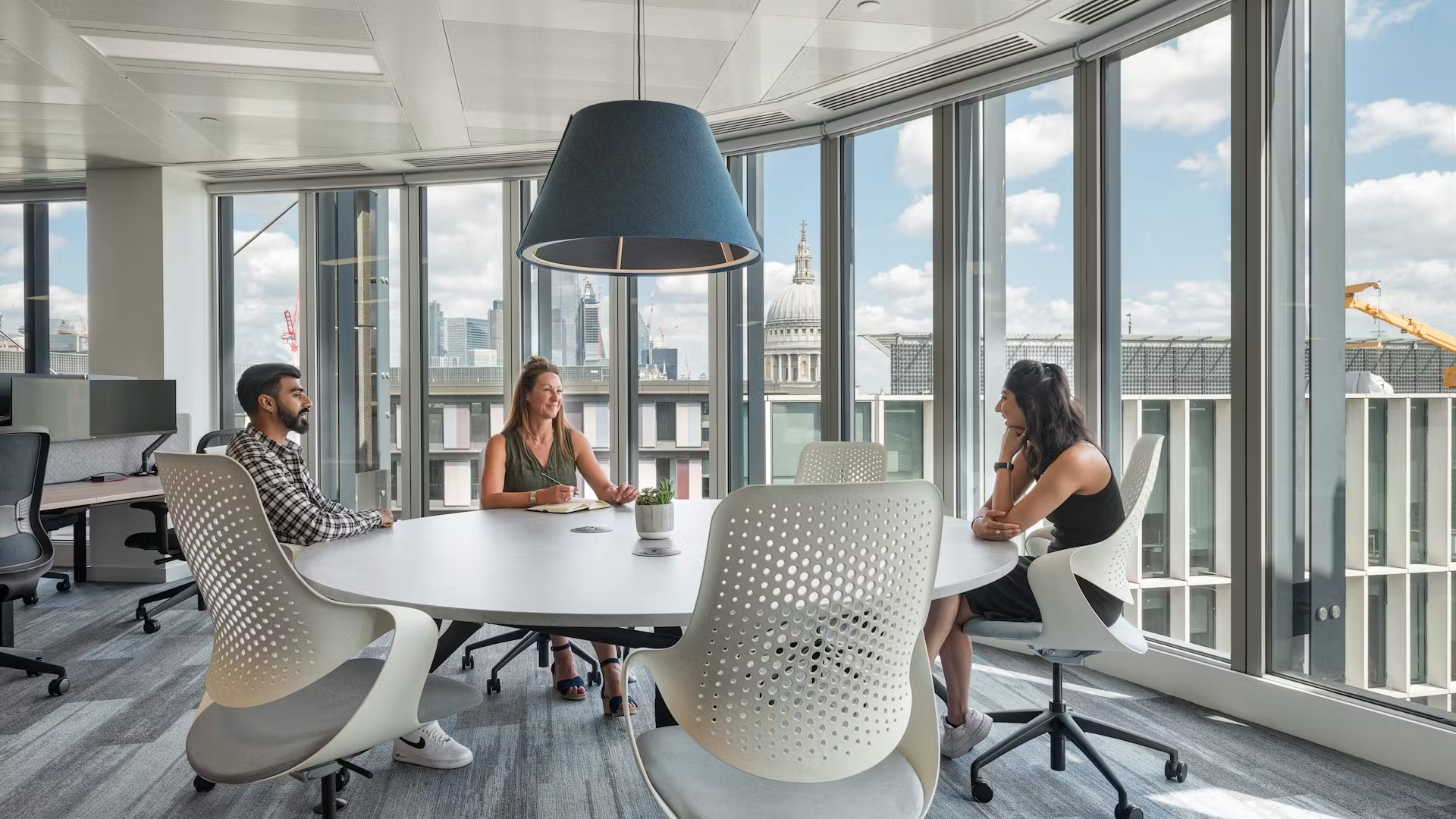
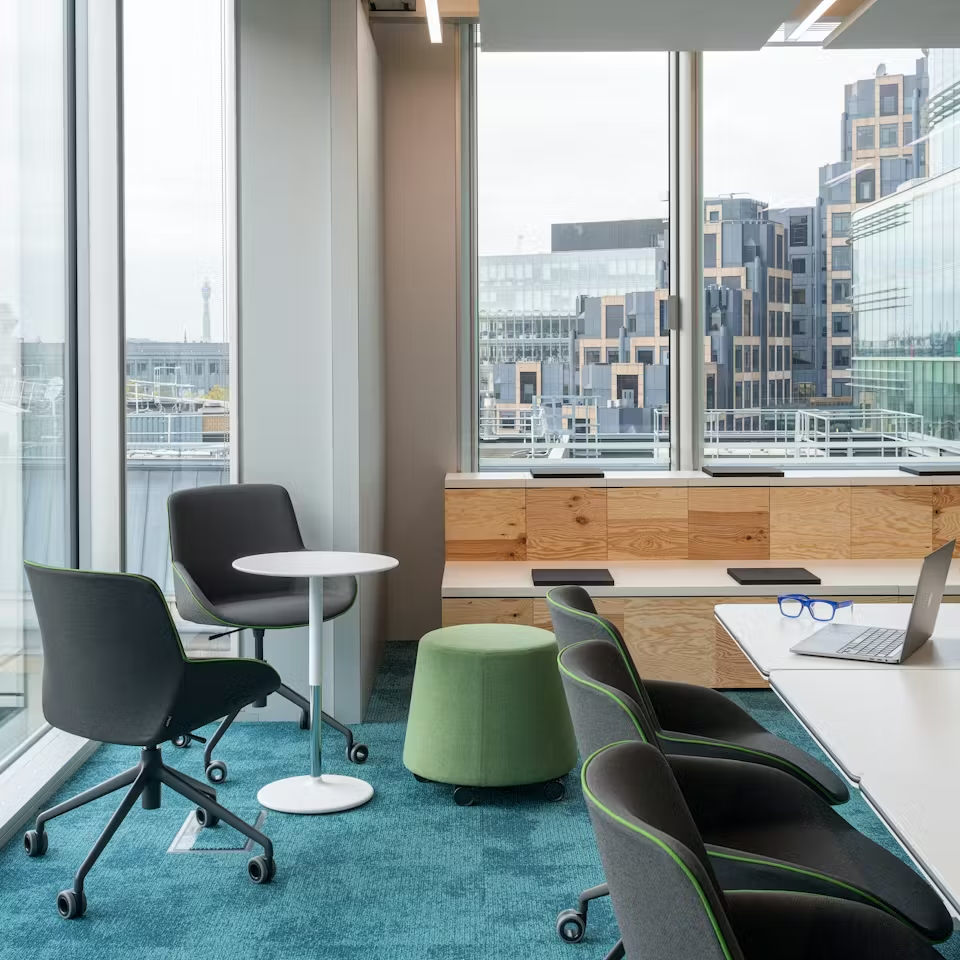
Here we look at your office environment and consider how it impacts your wellbeing. A comfortable, welcoming and functional space are necessary for all businesses, however each of those companies will have their own needs. It is important to look at all areas of the environment and optimise them for your industry.
Environmental factors that affect wellbeing:
- Lighting
- Noise
- Design
- Air Quality
- Temperature
- Space
- Workstation / Desk
Check out our ESG policy for a in-depth look at how we aim to reduce our company’s carbon footprint, promote social responsibility, and champion diversity and inclusion in the workplace.
2. Physical
Physical health is a huge factor in wellbeing, and not looking after ourselves can lead to feelings of fatigue, stress and low concentration. In fact, research has shown mental wellbeing can be improved by up to 12% through exercise, and even more so if done as a group. While we cannot force our staff to look after their health, through office design we can provide the necessary tools to make it as easy as possible for them.
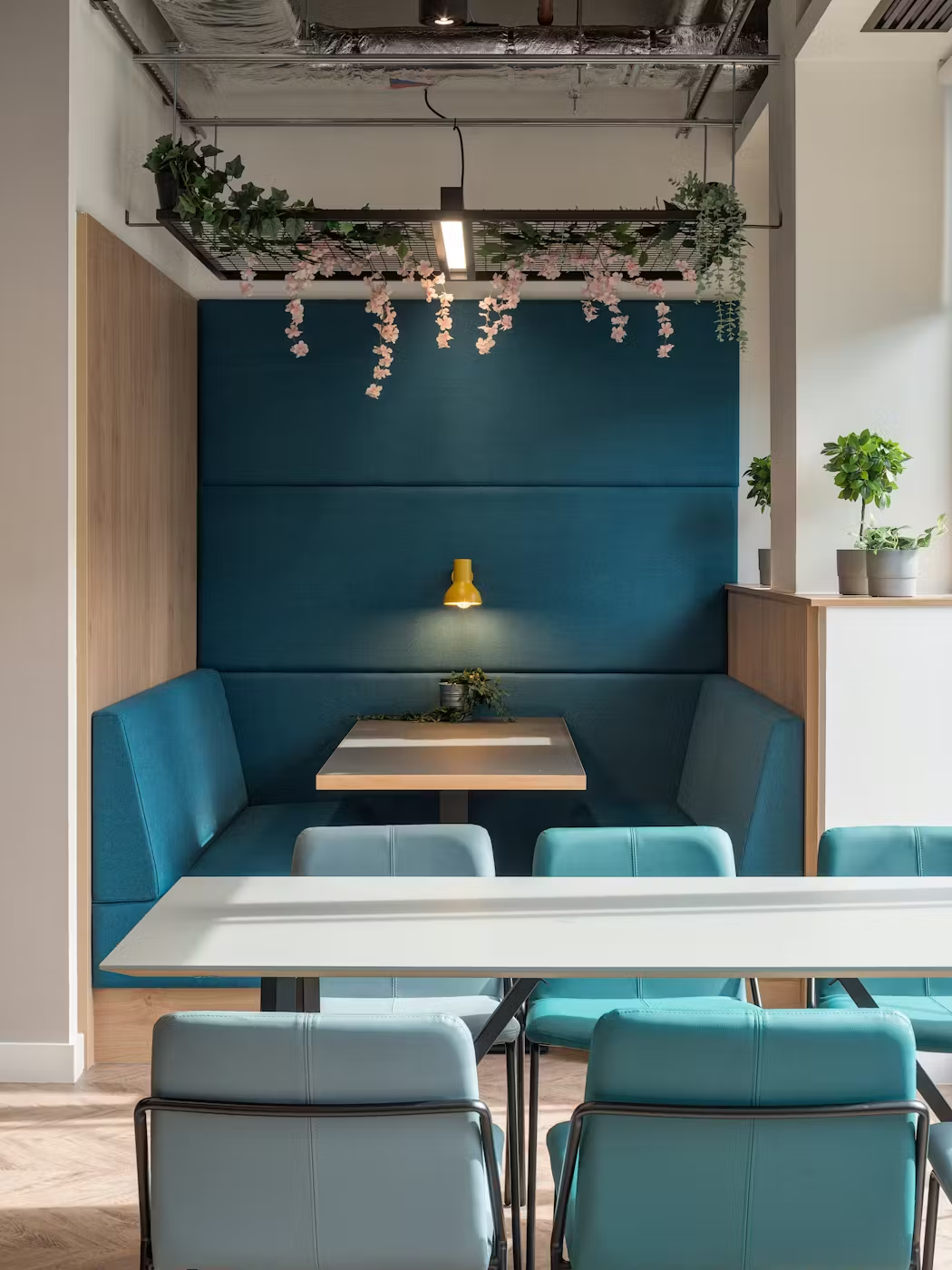
- Nutrition – provide healthy food options, as well as a comfortable, relaxing and communal breakout space. For big businesses this can be designing a bespoke kitchen or café area, whereas for a small business it can be as simple as providing some fruit in the communal fridge.
- Activities – provide an open and yet private space and set up weekly activities for your staff to take part in. Group activities especially can promote healthy wellbeing and foster better colleague relationships within your business. Try activities like Yoga or Pilates.
- Exercise – not everyone has the space to include a gym in their office, however there are lots of alternatives that still promote exercise in the workplace thanks to new innovations. Under desk bike pedals or a standing desk with an under desk treadmill are just two examples.
- Ergonomics – carefully consider each workstation and make sure you provide the necessary equipment for tasks to be completed in comfort. To go the extra mile, consider implementing DSE assessments and reviewing each member of staff’s needs individually. We have recently discussed the role of ergonomics in wellbeing in detail, to learn more take a look at our blog post.
3. Social
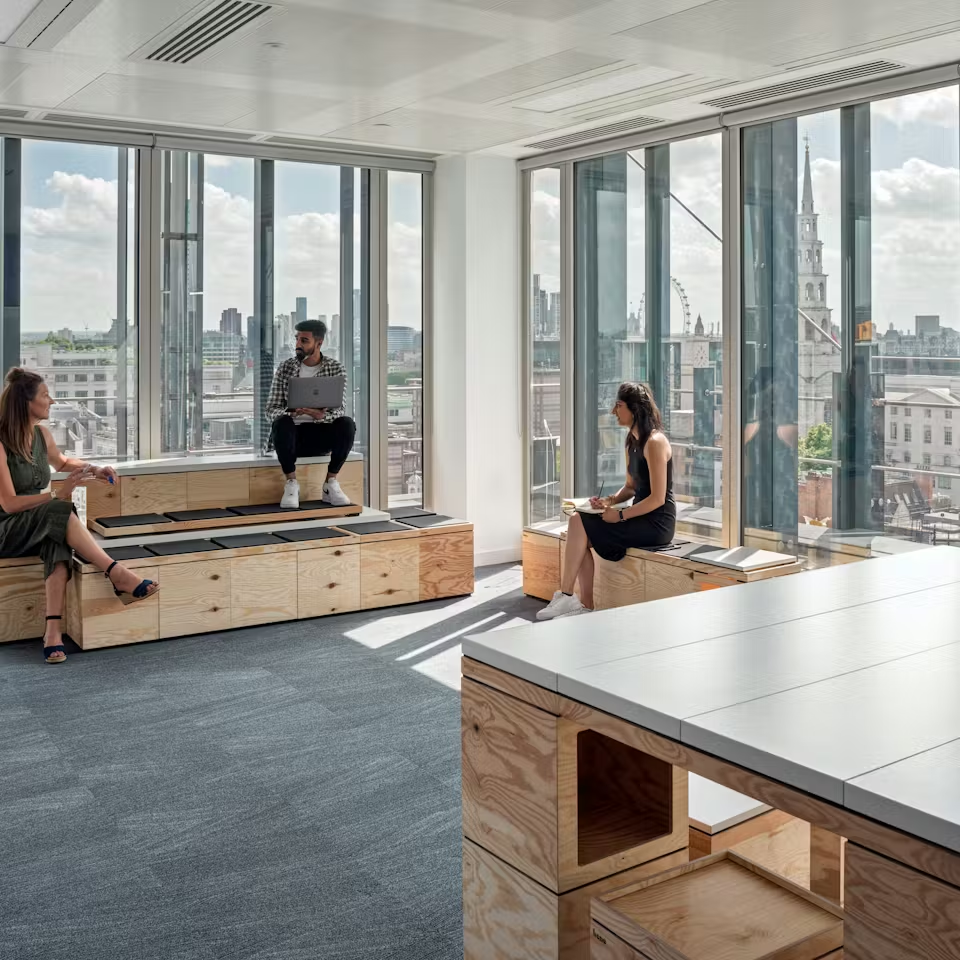
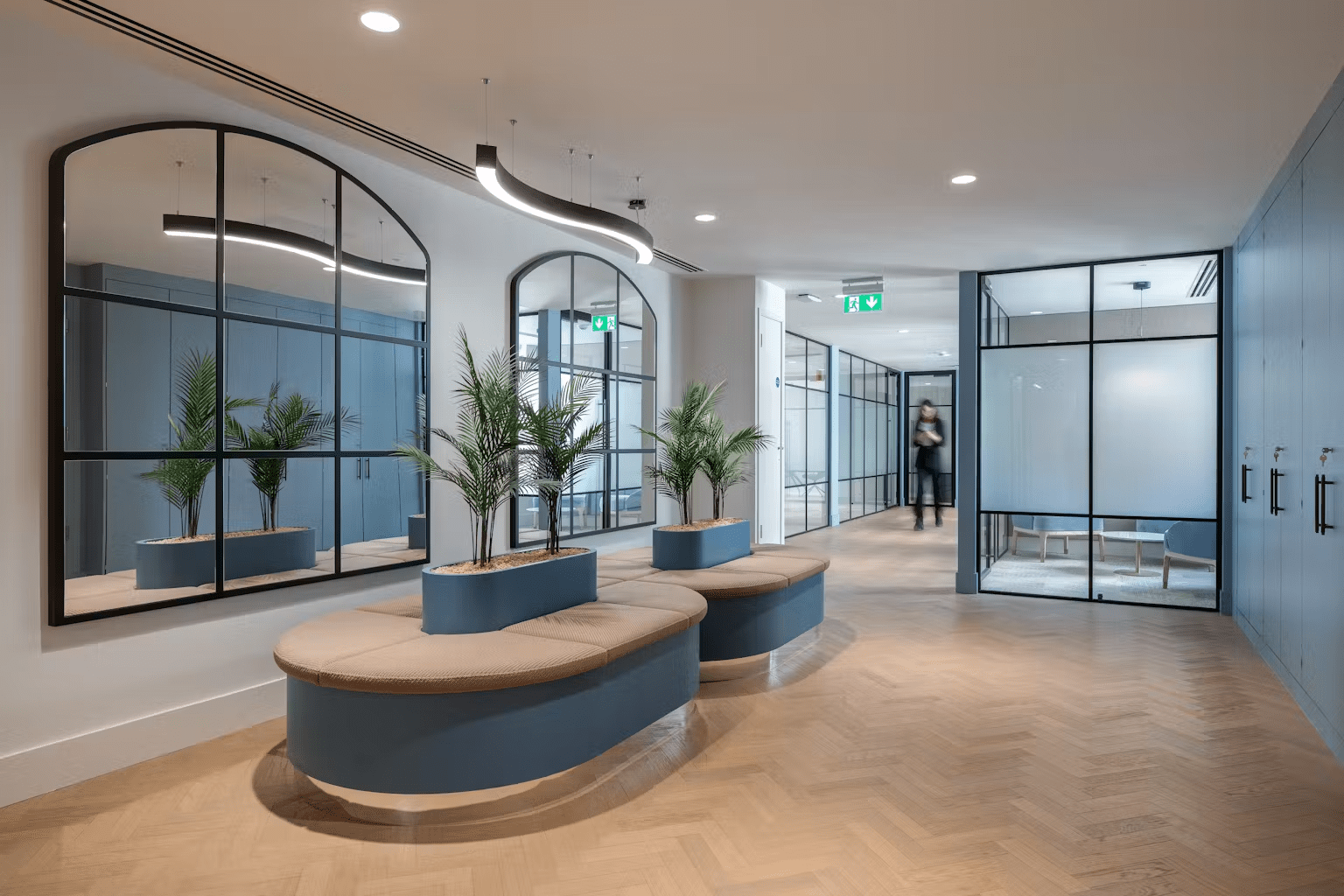
Improving colleague and manager relations is key to improving wellbeing in the office. While it’s not possible for everyone to get on all the time, there are ways we can design your office to make this easier. Open spaces promote freedom and approachability, whereas private areas promote security and sharing. A mixture of both helps to portray your company culture and create a sense of community. Organising social events is another way to bring staff together.
4. Psychological
These include things like job security, stress, work-life balance and workload. Creating an agile workspace or implementing hybrid working policies are just some of the ways you can reduce the psychological strain on your employees and ultimately improve their wellbeing & productivity.
How can you improve wellbeing with an office fit-out?
So, we know what factors affect workplace wellbeing, but how can you design your office to improve these factors? Our best advice would be to get in touch with fit-out experts like DENTON. With years of experience designing bespoke spaces, we can offer insights into what changes can make the biggest impact on wellbeing for your business.
Design aspects to consider:
- Biophilia
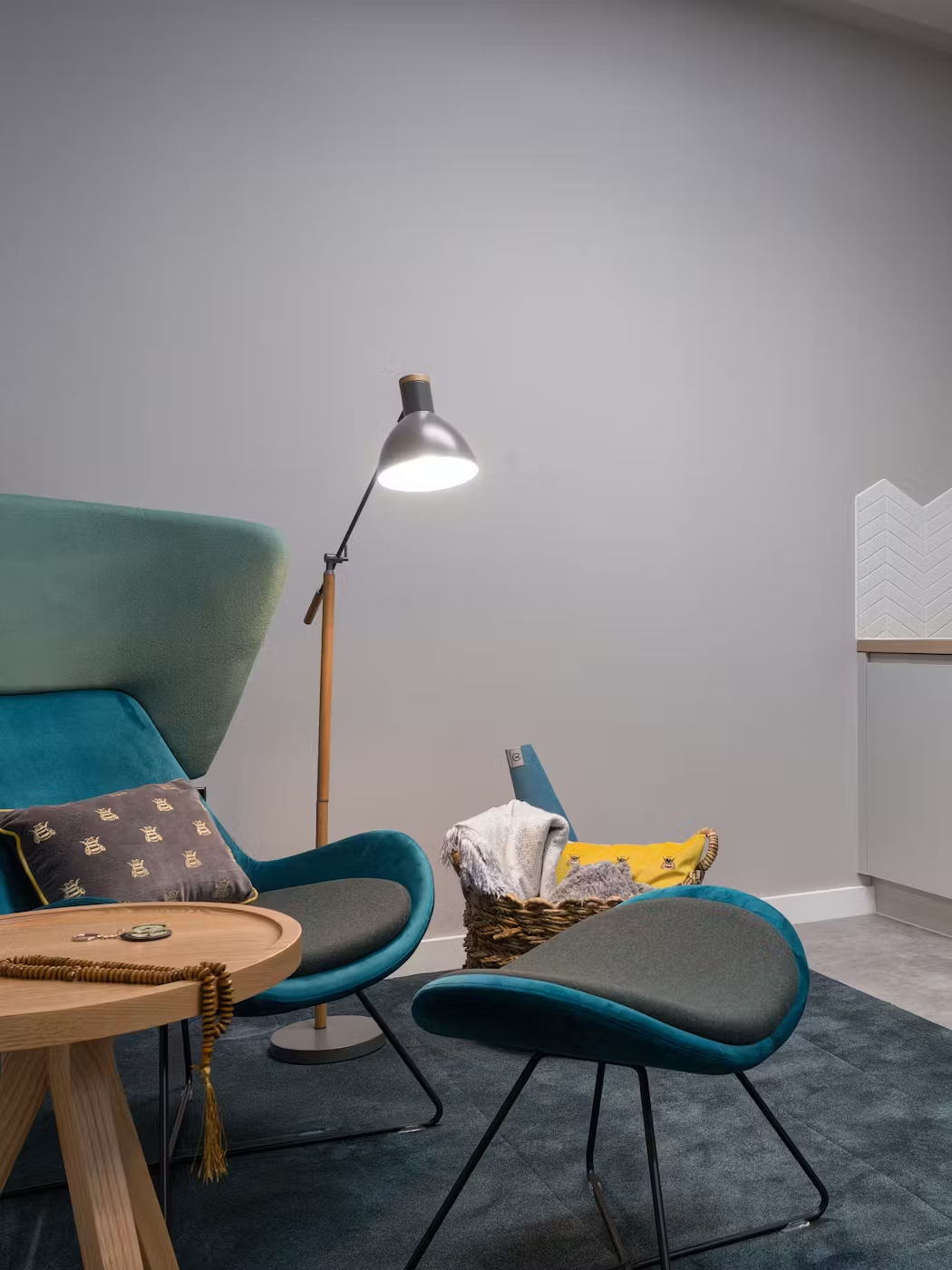
- Meditation or relaxation rooms
- Soft furnishings and domestic décor
- Calming, natural colours and materials
- Temperature control
- Natural light
- Minimal noise levels
- Sitting & standing desk options
- Consider principles like agile working and hybrid working
DENTON, the design experts who can improve workplace wellbeing
As the longest-established design and build company in London with offices throughout the UK, we’ve partnered up with businesses and organisations of all shapes and sizes to design and craft incredible bespoke offices which focus on and improve workplace wellbeing.
Let’s work together. To discuss your next office refurb or fit-out project, drop our friendly, experienced team a line today.