• DENTON is acquired by Bowmer + Kirkland Group powering next stage of growth. Click to read more -
  • DENTON is acquired by Bowmer + Kirkland Group powering next stage of growth. Click to read more -
  • DENTON is acquired by Bowmer + Kirkland Group powering next stage of growth. Click to read more -
  • DENTON is acquired by Bowmer + Kirkland Group powering next stage of growth. Click to read more -
  • DENTON is acquired by Bowmer + Kirkland Group powering next stage of growth. Click to read more -
  • DENTON is acquired by Bowmer + Kirkland Group powering next stage of growth. Click to read more -
  • DENTON is acquired by Bowmer + Kirkland Group powering next stage of growth. Click to read more -
  • DENTON is acquired by Bowmer + Kirkland Group powering next stage of growth. Click to read more -
  • DENTON is acquired by Bowmer + Kirkland Group powering next stage of growth. Click to read more -
  • DENTON is acquired by Bowmer + Kirkland Group powering next stage of growth. Click to read more -
  • DENTON is acquired by Bowmer + Kirkland Group powering next stage of growth. Click to read more -
  • DENTON is acquired by Bowmer + Kirkland Group powering next stage of growth. Click to read more -
  • DENTON is acquired by Bowmer + Kirkland Group powering next stage of growth. Click to read more -
  • DENTON is acquired by Bowmer + Kirkland Group powering next stage of growth. Click to read more -
  • DENTON is acquired by Bowmer + Kirkland Group powering next stage of growth. Click to read more -
  • DENTON is acquired by Bowmer + Kirkland Group powering next stage of growth. Click to read more -
  • DENTON is acquired by Bowmer + Kirkland Group powering next stage of growth. Click to read more -
  • DENTON is acquired by Bowmer + Kirkland Group powering next stage of growth. Click to read more -
  • DENTON is acquired by Bowmer + Kirkland Group powering next stage of growth. Click to read more -
  • DENTON is acquired by Bowmer + Kirkland Group powering next stage of growth. Click to read more -
  • DENTON is acquired by Bowmer + Kirkland Group powering next stage of growth. Click to read more -
  • DENTON is acquired by Bowmer + Kirkland Group powering next stage of growth. Click to read more -
  • DENTON is acquired by Bowmer + Kirkland Group powering next stage of growth. Click to read more -
  • DENTON is acquired by Bowmer + Kirkland Group powering next stage of growth. Click to read more -
  • DENTON is acquired by Bowmer + Kirkland Group powering next stage of growth. Click to read more -
  • DENTON is acquired by Bowmer + Kirkland Group powering next stage of growth. Click to read more -
  • DENTON is acquired by Bowmer + Kirkland Group powering next stage of growth. Click to read more -
  • DENTON is acquired by Bowmer + Kirkland Group powering next stage of growth. Click to read more -
  • DENTON is acquired by Bowmer + Kirkland Group powering next stage of growth. Click to read more -
  • DENTON is acquired by Bowmer + Kirkland Group powering next stage of growth. Click to read more -
  • DENTON is acquired by Bowmer + Kirkland Group powering next stage of growth. Click to read more -
  • DENTON is acquired by Bowmer + Kirkland Group powering next stage of growth. Click to read more -
  • DENTON is acquired by Bowmer + Kirkland Group powering next stage of growth. Click to read more -
  • DENTON is acquired by Bowmer + Kirkland Group powering next stage of growth. Click to read more -
  • DENTON is acquired by Bowmer + Kirkland Group powering next stage of growth. Click to read more -
  • DENTON is acquired by Bowmer + Kirkland Group powering next stage of growth. Click to read more -
  • DENTON is acquired by Bowmer + Kirkland Group powering next stage of growth. Click to read more -
  • DENTON is acquired by Bowmer + Kirkland Group powering next stage of growth. Click to read more -
  • DENTON is acquired by Bowmer + Kirkland Group powering next stage of growth. Click to read more -
  • DENTON is acquired by Bowmer + Kirkland Group powering next stage of growth. Click to read more -
  • DENTON is acquired by Bowmer + Kirkland Group powering next stage of growth. Click to read more -
  • DENTON is acquired by Bowmer + Kirkland Group powering next stage of growth. Click to read more -
  • DENTON is acquired by Bowmer + Kirkland Group powering next stage of growth. Click to read more -
  • DENTON is acquired by Bowmer + Kirkland Group powering next stage of growth. Click to read more -
  • DENTON is acquired by Bowmer + Kirkland Group powering next stage of growth. Click to read more -
  • DENTON is acquired by Bowmer + Kirkland Group powering next stage of growth. Click to read more -
  • DENTON is acquired by Bowmer + Kirkland Group powering next stage of growth. Click to read more -
  • DENTON is acquired by Bowmer + Kirkland Group powering next stage of growth. Click to read more -
  • DENTON is acquired by Bowmer + Kirkland Group powering next stage of growth. Click to read more -
  • DENTON is acquired by Bowmer + Kirkland Group powering next stage of growth. Click to read more -
  • DENTON is acquired by Bowmer + Kirkland Group powering next stage of growth. Click to read more -
  • DENTON is acquired by Bowmer + Kirkland Group powering next stage of growth. Click to read more -
  • DENTON is acquired by Bowmer + Kirkland Group powering next stage of growth. Click to read more -
  • DENTON is acquired by Bowmer + Kirkland Group powering next stage of growth. Click to read more -
  • DENTON is acquired by Bowmer + Kirkland Group powering next stage of growth. Click to read more -
  • DENTON is acquired by Bowmer + Kirkland Group powering next stage of growth. Click to read more -
  • DENTON is acquired by Bowmer + Kirkland Group powering next stage of growth. Click to read more -
  • DENTON is acquired by Bowmer + Kirkland Group powering next stage of growth. Click to read more -
  • DENTON is acquired by Bowmer + Kirkland Group powering next stage of growth. Click to read more -
  • DENTON is acquired by Bowmer + Kirkland Group powering next stage of growth. Click to read more -
  • The Role of AI in Creating Sustainable Workplaces
    9:43

    The future of office design is entering an exciting new era, blending cutting-edge technology with sustainable practices to create innovative, adaptable, and inspiring workplaces. The integration of AI and sustainable office design principles promises to redefine how we work, fostering environments where creativity and productivity flourish. In this article, we explore some key AI trends and how they can be used to support sustainable practices, shaping the future of office design and fit-outs in the UK.


    Unlocking Creativity through AI


    The integration of Artificial Intelligence (AI) into office environments has revolutionised how we work. AI has the potential to significantly enhance the creative capacity of the workforce by automating mundane tasks and optimising processes, allowing employees to focus on innovative and creative endeavours. Imagine an office where routine tasks are streamlined, giving employees more time and energy to develop new ideas, solve complex problems, and collaborate effectively.


    In our article, Integrating AI Into Office Design for Commercial Offices in the UK, we surmised that AI is not just a trend but a strategic imperative. By leveraging AI technologies, businesses can tailor their office spaces to enhance employee production and satisfaction, enhance the efficiency of office layouts and enhance energy efficiency as AI-driven solutions contribute to a more environmentally friendly workplace.


    Embracing Technology in the Office

    The future of office design lies in embracing technology in ways that complement our human workforce, not replaces them. It’s essential to shape your built environment to enable staff to thrive. This means moving beyond traditional project timelines and KPIs to prioritise change programs that focus on our emotional responses.

    Expand
    5HIg041L-Booking-System_Stevens-Bolton-23-highres-sRGB
    Expand
    MwB8GRCj-Hybrid-Meeting-Room_Stevens-Bolton-28-highres-sRGB
    Expand
    CFZOebAl-Hero-image_Net-App-11-highres-sRGB
    Expand
    OL1VhxZv-Media-Space_Net-App-13-highres-sRGB
    Expand
    5HIg041L-Booking-System_Stevens-Bolton-23-highres-sRGB
    Expand
    MwB8GRCj-Hybrid-Meeting-Room_Stevens-Bolton-28-highres-sRGB
    Expand
    CFZOebAl-Hero-image_Net-App-11-highres-sRGB
    Expand
    OL1VhxZv-Media-Space_Net-App-13-highres-sRGB

    DENTON

    Lightbox Image

    1. Prioritising Wellbeing

    Integrating AI and other technologies should enhance the human experience, fostering environments where creativity and productivity can flourish. Employees are more likely to reach their true potential when emotional wellbeing is prioritised. Offices designed with wellbeing in mind consider elements such as natural light, biophilic design, and spaces for relaxation and social interaction. These features not only boost mood and motivation but also reduce stress and fatigue, leading to a more engaged and resilient workforce.


    2. Enhancing Productivity

    AI-powered amenities such as smart lighting, intelligent scheduling systems, and virtual assistants contribute to a more comfortable and productive work environment. By automating repetitive tasks and providing personalised support, AI technologies enable employees to focus on high-value work, leading to increased satisfaction, engagement, and retention. Check out the option of a ‘Smart Office’.


    How Can AI Be Used to Design Workplaces?

     Artificial Intelligence (AI) is becoming an integral part of modern workplace design, helping to create spaces that are more efficient, flexible, and tailored to the needs of employees. Here’s how AI is shaping the design of future workplaces:


    Analysing Usage Data

     Through sensors and monitoring systems, AI can track when and how often spaces are occupied, who uses them, and what activities occur. This data provides crucial insights into space utilisation, allowing designers to tailor office layouts to better match business operations and employee needs. This is particularly valuable in hybrid work environments, where optimising space is essential to accommodate remote and in-office work.


    Predictive Analysis and Simulation

     Beyond data analysis, AI excels at simulating real-world environments to predict how a design will perform. AI-driven simulations assess factors like traffic flow, lighting, and office acoustics, identifying potential issues before construction begins. This predictive capability helps minimise costly modifications and ensures that office designs align with the practical needs of businesses and employees.


    Enhanced Visualisations

    AI technology enables the creation of high-quality visualisations and virtual tours of proposed office designs. These detailed renderings include complex textures, lighting effects, and even reflections, providing stakeholders with a clear vision of the final product. Enhanced visualisations facilitate better decision-making and design approval processes by allowing clients to experience the proposed space virtually.


    Operational Efficiency

     AI enhances operational efficiency by automating the management of resources like lighting, heating, and air conditioning. Smart systems adjust settings based on real-time data, such as occupancy levels and time of day, without the need for manual intervention. This automation reduces energy consumption, minimises operational costs, and provides optimal conditions for employees, ultimately supporting business competitiveness in the face of rising energy costs.


    Limitations and Considerations

    While AI offers numerous advantages, it’s essential to recognise its limitations. AI relies on the data it is fed and may not always be up-to-date with the latest building regulations or specific business needs. Additionally, AI solutions may sometimes reflect generic trends rather than tailored designs. Therefore, AI should always be used as a tool to support human expertise in workplace design, with professionals overseeing its implementation to navigate these challenges effectively.
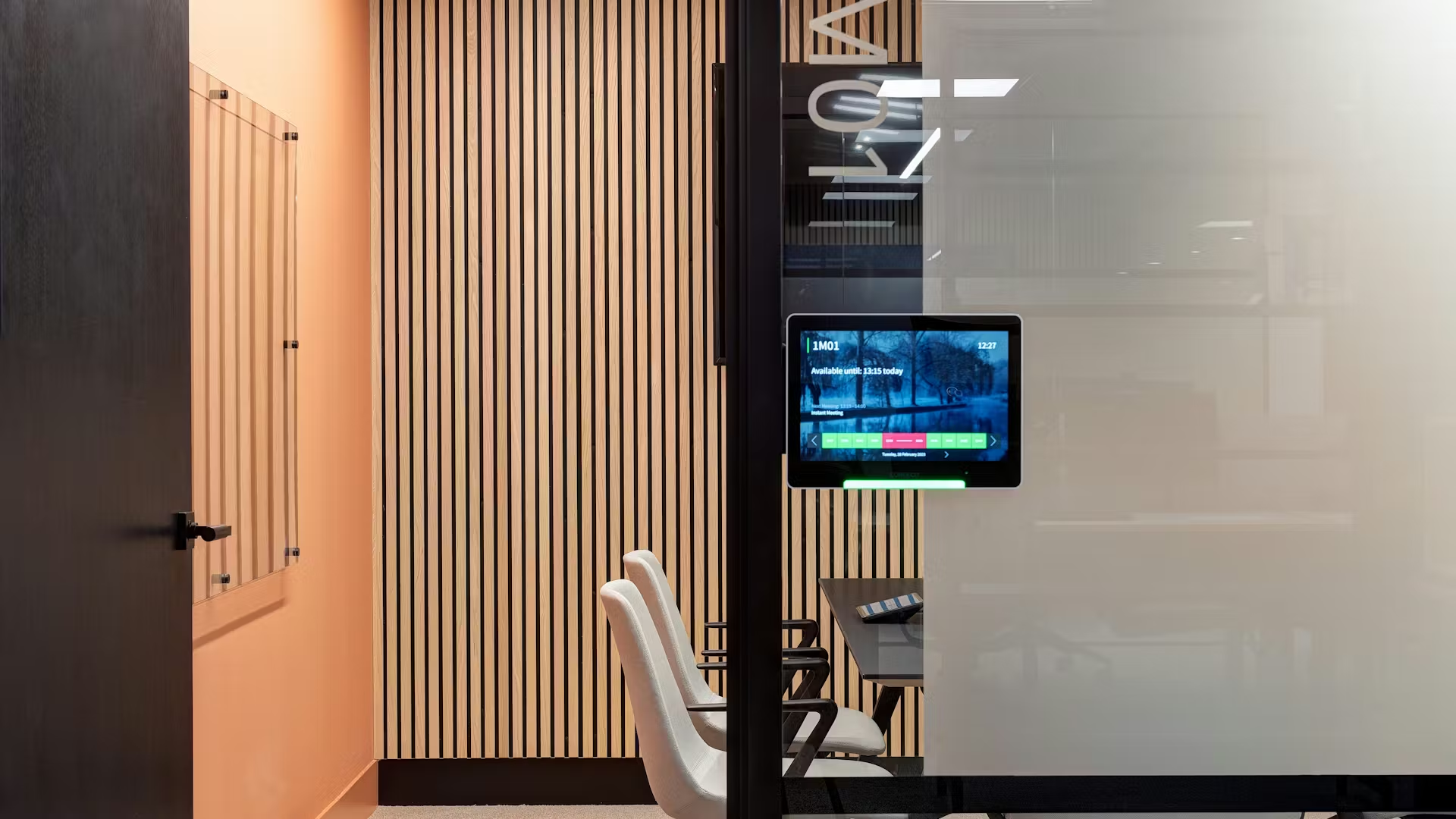
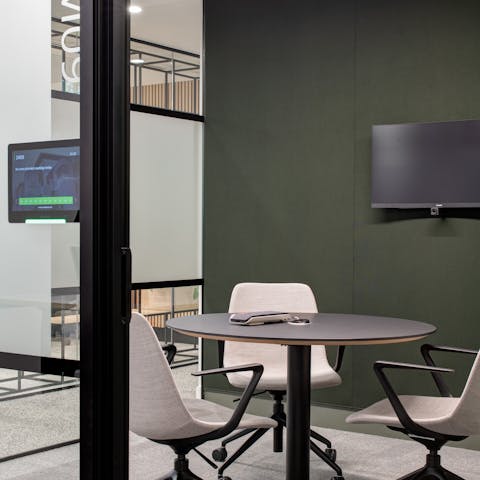
    avbwQHC1-Natural-light_Aegon-09-highres-sRGB-1

    Implementing Sustainability Principles


    The drive towards shaping a sustainable future is another major factor reshaping office design. This approach is crucial for creating carbon-efficient buildings. According to the World Green Building Council, buildings account for 39% of global energy-related carbon emissions. To mitigate this, office fit-outs must consider the entire building lifecycle, from construction to deconstruction.


    Operational Emissions

    In a typical office building, operational emissions (both regulated and unregulated) constitute 33% of the building’s total carbon output. Regulated emissions include those from controlled services like lighting and ventilation, while unregulated emissions stem from systems within the space, such as IT equipment and refrigeration. Additionally, embodied emissions, which are the greenhouse gases released during the building’s life cycle (from material extraction to disposal), account for 32% of total emissions.


    By adopting sustainable practices in office design and fit-outs, organisations can significantly reduce their carbon footprint and contribute to a healthier planet.


    The Role of Flexibility in Reducing Carbon Emissions

     Responsibility for reducing carbon emissions in office buildings spans from developers to maintenance teams. The solution lies in designing agile offices that can adapt to changing needs. This flexibility not only extends the building’s lifespan but also enhances the user experience. Key elements that contribute to this include natural light, ease of movement, and the overall joy derived from the space.


    Flexible and responsibly designed workspaces allow for reconfiguration to suit different activities and preferences, accommodating everything from focused individual work to dynamic group collaborations. By prioritising flexibility and adaptability, office spaces can remain relevant and functional in the face of changing work patterns and technological advancements.


    The Intersection of AI and Sustainability


    While both are important considerations separately, AI is key to enhancing office sustainability and there is a strong link between the two. Below are some key ways AI can support your sustainability goals and ESG policy:


    • Energy Efficiency: AI optimises HVAC and lighting based on real-time data, cutting energy use and costs.

    • Resource Management: AI reduces waste and improves resource use, from materials to recycling.

    • Design Support: AI helps architects create sustainable buildings by simulating and optimising design options.

    • Waste Management: Smart waste systems use AI to track waste and optimise collection, supporting recycling efforts.

    • Sustainability Metrics: AI tracks and reports on environmental data, aiding in goal-setting and progress tracking – great for measuring the success of your ESG policy.


    DENTON, Embracing AI and Sustainability 


    It’s clear AI and sustainable practices have significantly influenced the future of office design and fit-outs. While AI has unlocked new levels of creativity in the workforce, ethical considerations will ensure its responsible use, and sustainable design principles will pave the way for carbon-efficient buildings that stand the test of time.


    At DENTON, we comprehend the significance of integrating AI and sustainability principles into office designs. Innovative solutions, such as flexible workstations, multipurpose spaces, collaboration pods, and an overall focus on employee wellbeing have redefined traditional office workspaces and led to a greater need to update your office space to meet new needs and expectations.


    Contact us today to discover how we can transform your workspace into a future-ready environment. Drop our friendly, experienced team a line today, and let’s start a project together. Or browse DENTON’s services & case studies to see what other projects we can help you with.

    Richard Douglas
    Richard Douglas
    Director

    Richard has been Board Director of DENTON since 1998. In addition to his board responsibilities, Richard has executive responsibility for DENTON’s Marketing and Sustainability services.

    Richard is a Chartered Surveyor and holds degrees in Building Surveying, Construction Management and Interior Architecture. He is a highly regarded visiting lecturer at the University of Hertfordshire.

    Have a project in mind?

    Project Image
    • Experience 
    • Creativity 
    • Integrity 
    • Experience 
    • Creativity 
    • Integrity 
    • Experience 
    • Creativity 
    • Integrity 
    • Experience 
    • Creativity 
    • Integrity 
    • Experience 
    • Creativity 
    • Integrity 
    • Experience 
    • Creativity 
    • Integrity 
    • Experience 
    • Creativity 
    • Integrity 
    • Experience 
    • Creativity 
    • Integrity 
    • Experience 
    • Creativity 
    • Integrity 
    • Experience 
    • Creativity 
    • Integrity