Supporting Diversity and Equality through Responsible Office Design - DENTON
Introduction to Diversity and Equality in the Workplace
Fostering diversity and ensuring equal opportunities are more than just buzzwords – they are critical components of a productive and happy organisation. Achieving diversity and inclusion (DEI) targets requires more than just good intentions. In this article, we explore how businesses can create office environments that support diversity, equality, and neurodiversity through successful and responsible office design alongside intentional and actionable policy updates.
The Importance of Diversity and Equality in Workplace Policy
Diversity in the workplace is about recognising and valuing the unique differences of individuals – such as race, gender, age, abilities and more. Equality, on the other hand, ensures that all employees have fair treatment and equal opportunities, regardless of their background. These are integral components of a broader framework known as Diversity, Equity, and Inclusion (DEI). DEI guarantees that inclusive policies and designs lead to a fair and productive workplace for all.
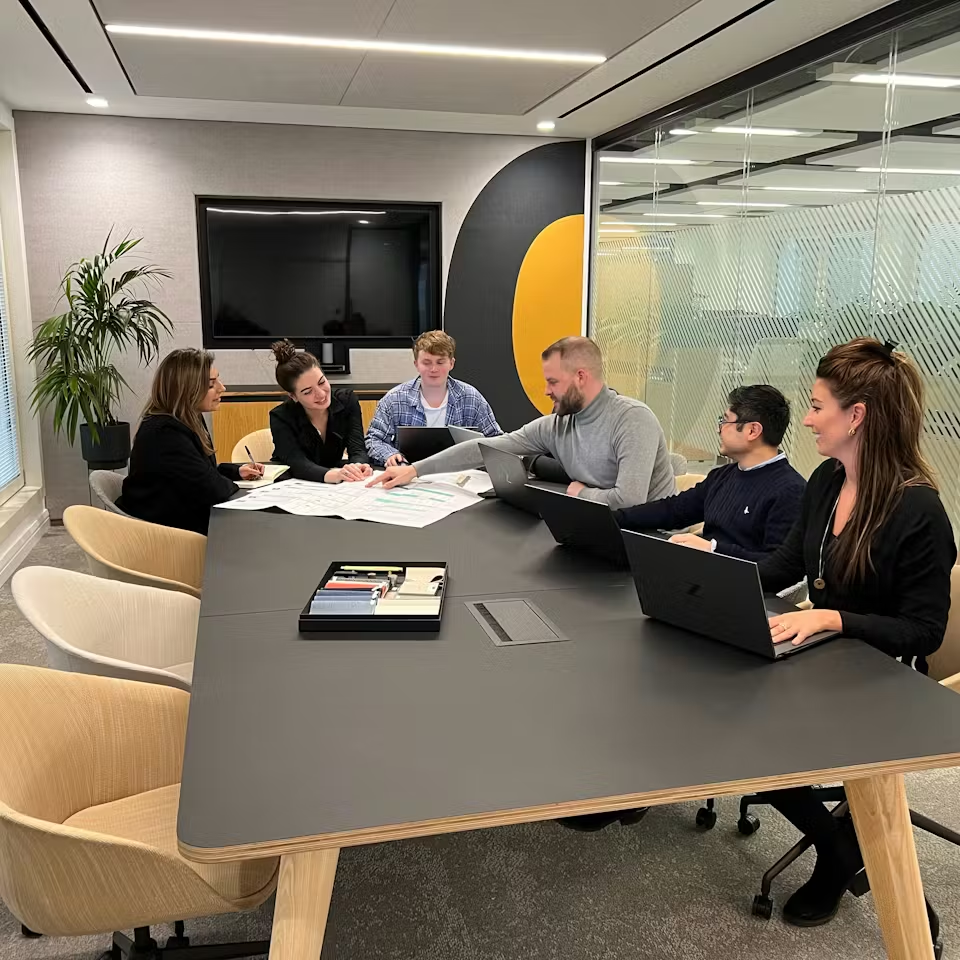
When employees feel valued, through equal treatment, they are more likely to be engaged, motivated, and committed to their work. Diverse teams bring a wealth of perspectives, fostering creativity and innovation. Embracing diversity and equality isn’t just the ‘right thing to do’; it’s essential for the success of any modern workplace.
Workplace Policy Updates to Support DEI:
Creating an inclusive workplace starts with the right policies. Here are some key areas where updates can make a significant impact:
- Recruitment and Hiring: Implement a blind recruitment process to reduce bias and promote fairness when hiring. This approach widens your talent pool and reinforces your commitment to creating an inclusive workplace.
- Equal Opportunity Policies: Ensure that your workplace policies promote equal opportunities for advancement, pay equity, and training. Regularly track and address any discrepancies in representation, promotions, or compensation to maintain fairness across the board.
- Anti-Discrimination and Anti-Harassment: Clear anti-discrimination policies are crucial for protecting employees from harassment based on race, gender, disability, or other characteristics. These policies should be well-communicated and strictly enforced to create a safe and respectful environment for all.
- Flexible Work Arrangements: Different employees have different needs, and flexible work arrangements can help accommodate them. Policies that support remote work, flexible hours, and parental leave can be especially beneficial for employees with diverse life circumstances.
Employee Resource Groups (ERGs)
ERGs are voluntary, employee-led groups within a company that focuses on a shared characteristic, interest, or common goal. Encouraging the formation of ERGs can help support underrepresented groups, foster inclusivity, and provide a platform for voices that might otherwise go unheard.
Diversity Training
Implementing mandatory diversity and inclusion training raises awareness and promotes a culture of respect. This can include unconscious bias training, conflict resolution, and understanding neurodiversity.
LEEDS
LEEDS
DENTON
Design Features That Support Diversity and Equality
Office design plays a crucial role in supporting diversity and equality by catering to the diverse needs of employees. The physical workplace environment can either hinder or enhance the inclusivity of a workplace.
Creating an accessible and inclusive workplace requires thoughtful design that accommodates the physical and cultural needs of all employees. By implementing features that support accessibility, comfort, and cultural sensitivity, companies can foster a more supportive environment for everyone.
Here’s how:
- Accessible Office Layouts: Ensure that your office is wheelchair accessible with wide doorways, ramps, and appropriate restroom facilities.
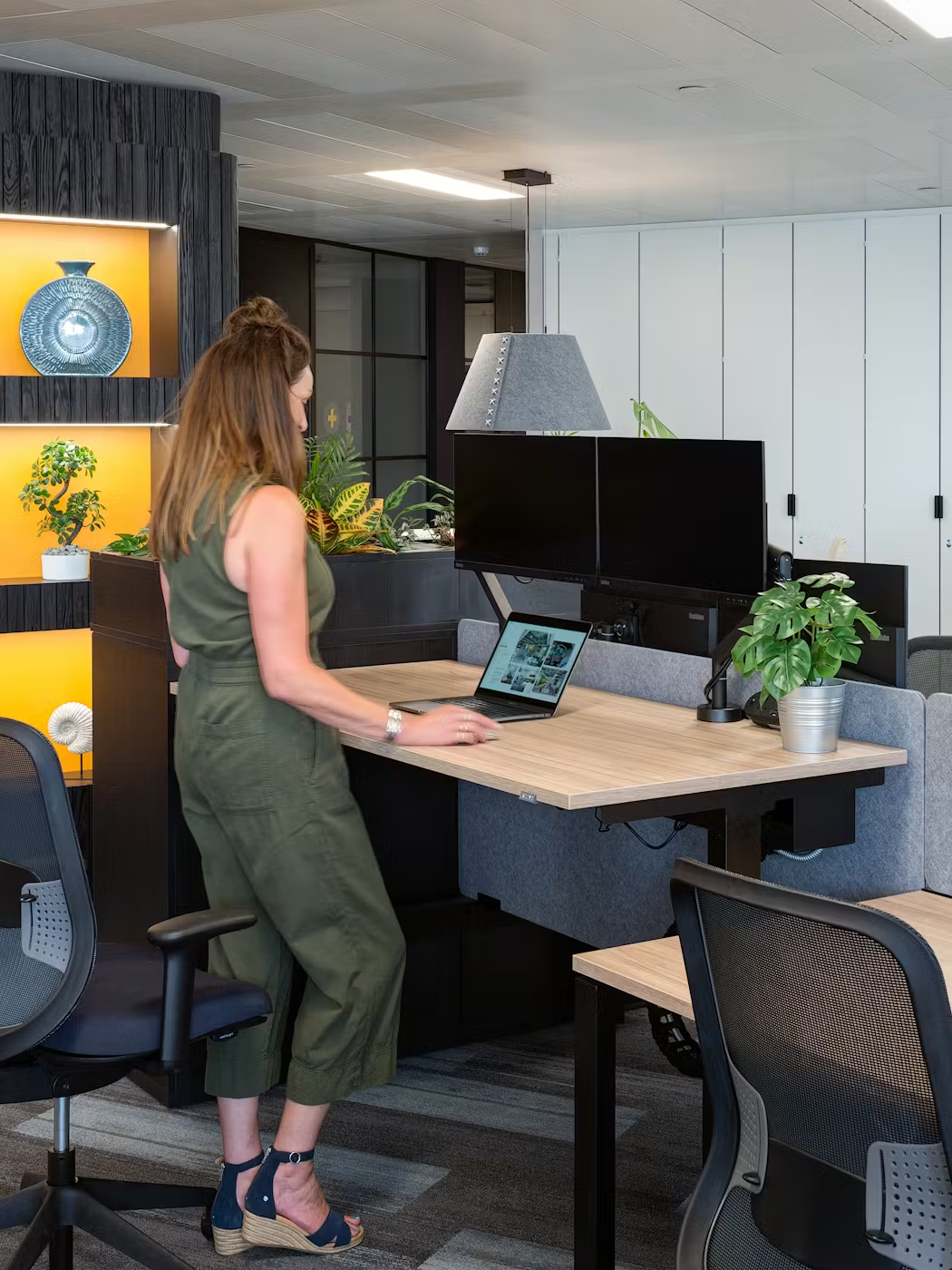
- Adjustable Furniture: Provide height-adjustable desks and ergonomic furniture to accommodate different body types, physical needs, and working preferences.
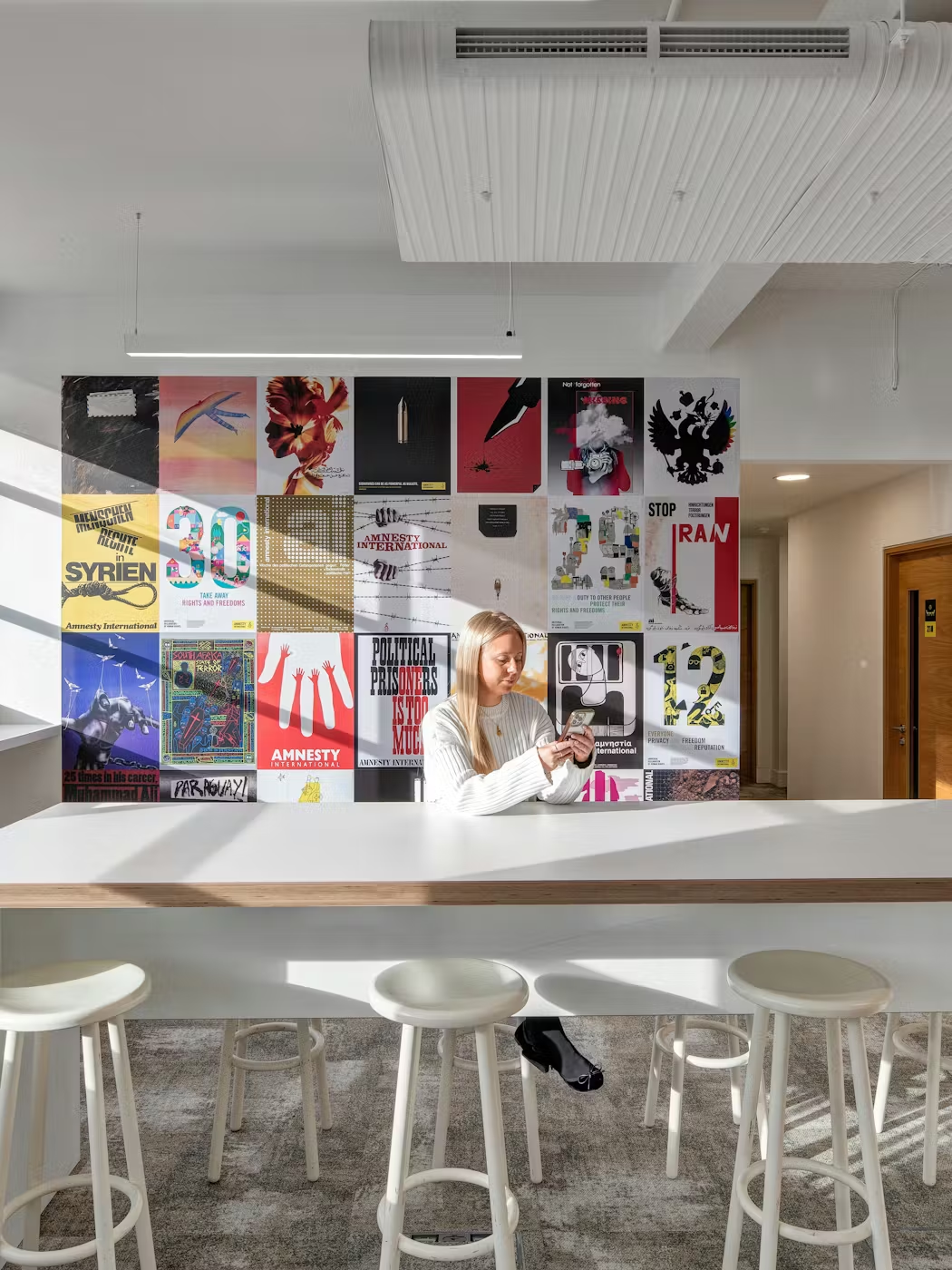
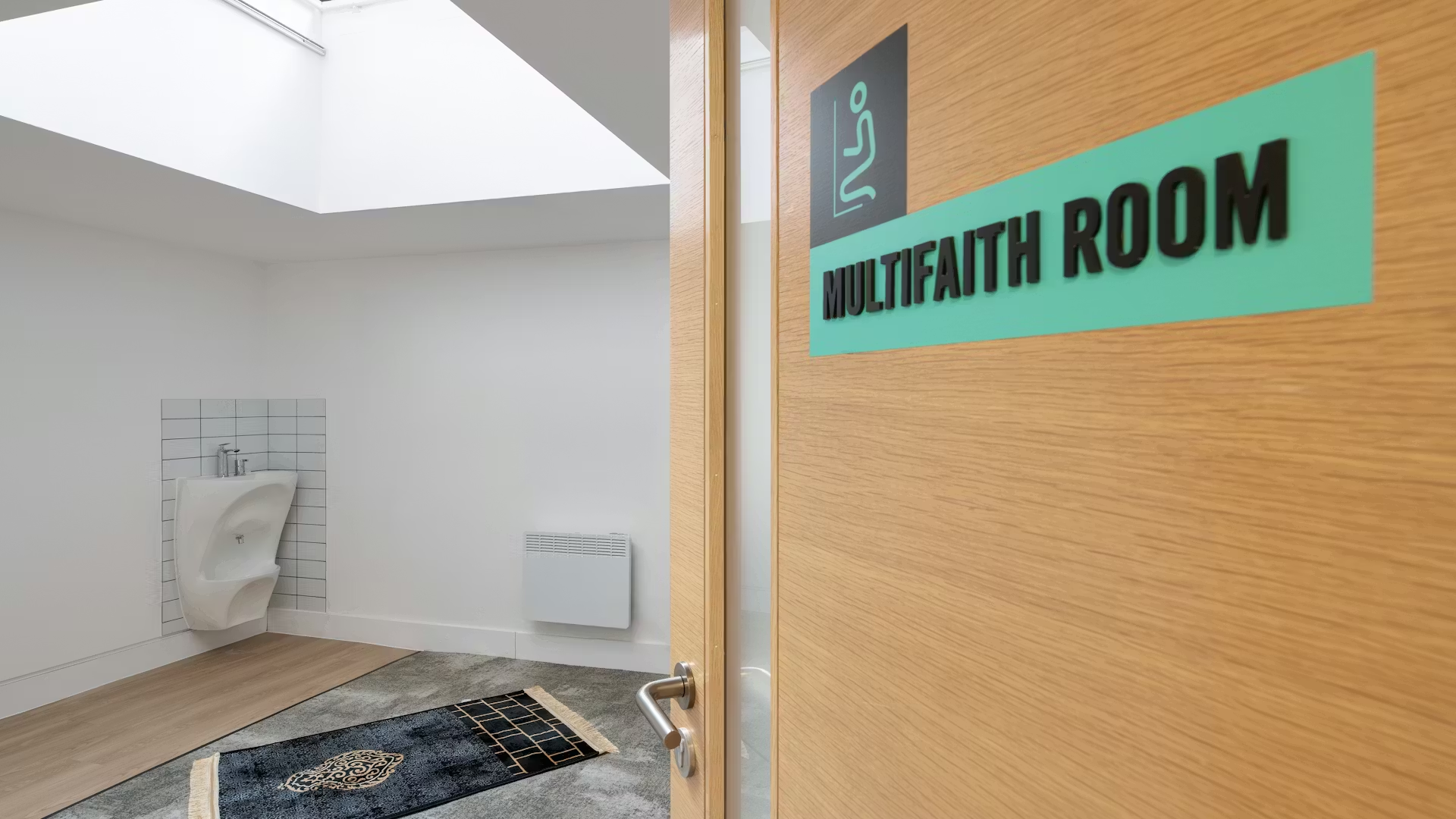
- Cultural Sensitivity: Design spaces that reflect cultural inclusivity, such as providing prayer or meditation rooms for religious practices, or incorporating artwork that celebrates diversity.
- Gender-Neutral Facilities: Incorporate gender-neutral restrooms and changing areas to ensure inclusivity for employees of all gender identities.
Neurodiversity and Responsible Office Design
Understanding Neurodiversity in the Workplace
Neurodiversity encompasses a range of conditions including autism, ADHD and dyslexia – all requiring different sensory inputs, communication styles, and task management approaches. As awareness of these differences grows, workplaces must adapt to accommodate the diverse ways employees process information and interact with their environment. This adaptation is crucial for fostering an inclusive environment where every employee can thrive. Office designs must evolve to support a wide range of cognitive and sensory needs. Learn more about embracing neurodiversity in the workplace.
Design Strategies for Neurodiverse Employees:
Office design for neurodiversity involves designing spaces that cater to a variety of sensory and cognitive needs. Here are key strategies to consider:
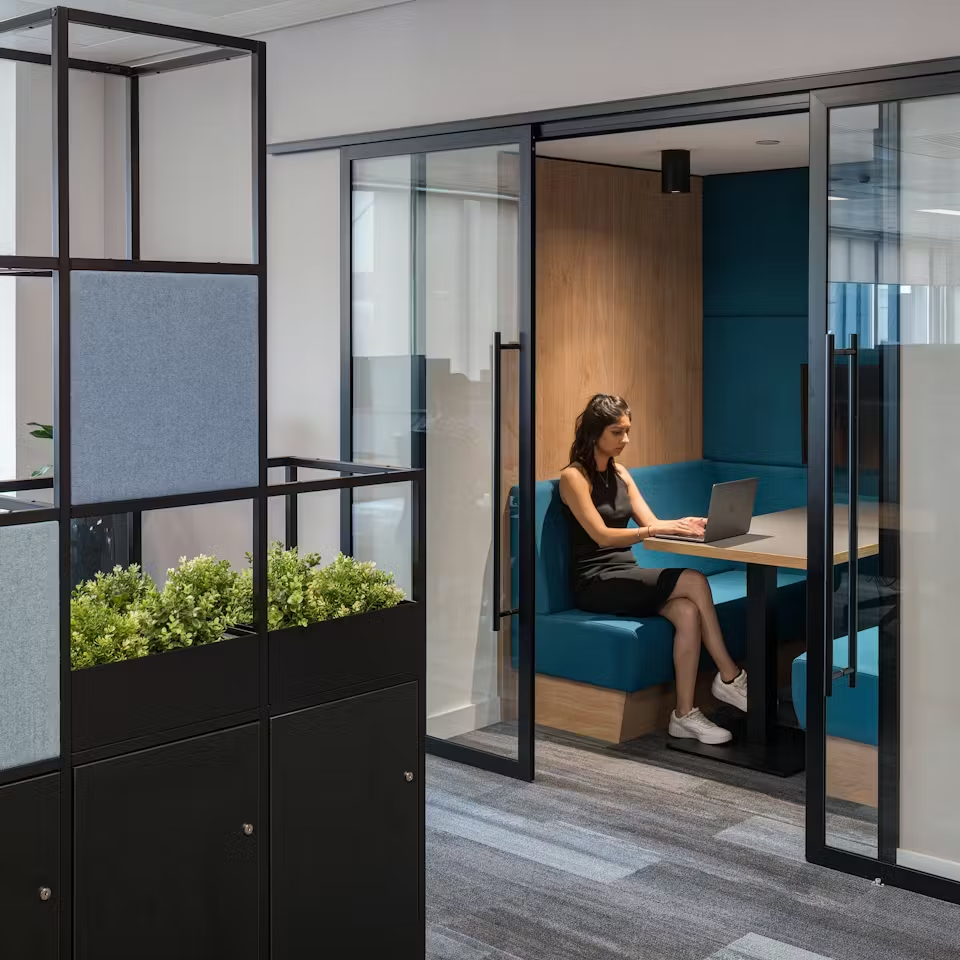
- Zoning: Separate work areas based on noise levels and sensory stimuli, such as quiet zones for focused work and more dynamic spaces for collaboration.
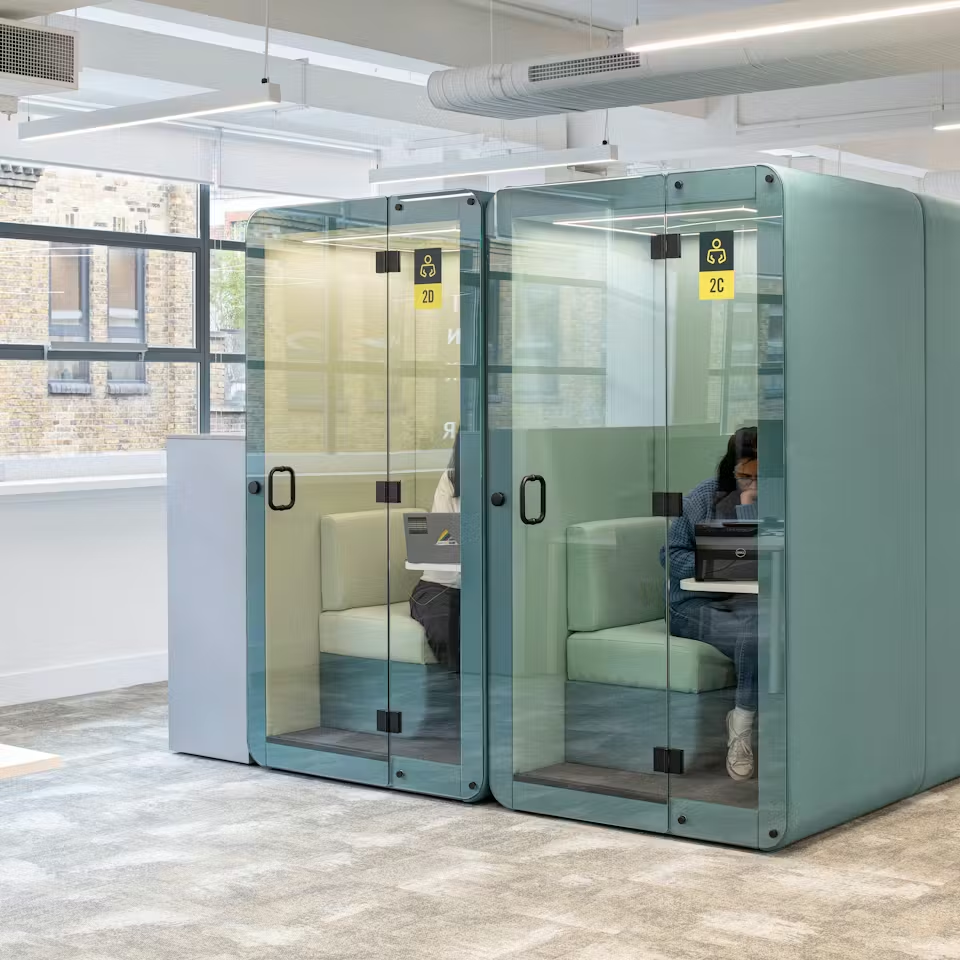
- Sensory-Friendly Spaces: Design sensory-friendly areas with soft lighting, comfortable seating, sound-absorbing materials, and calming colour schemes to minimise overstimulation.
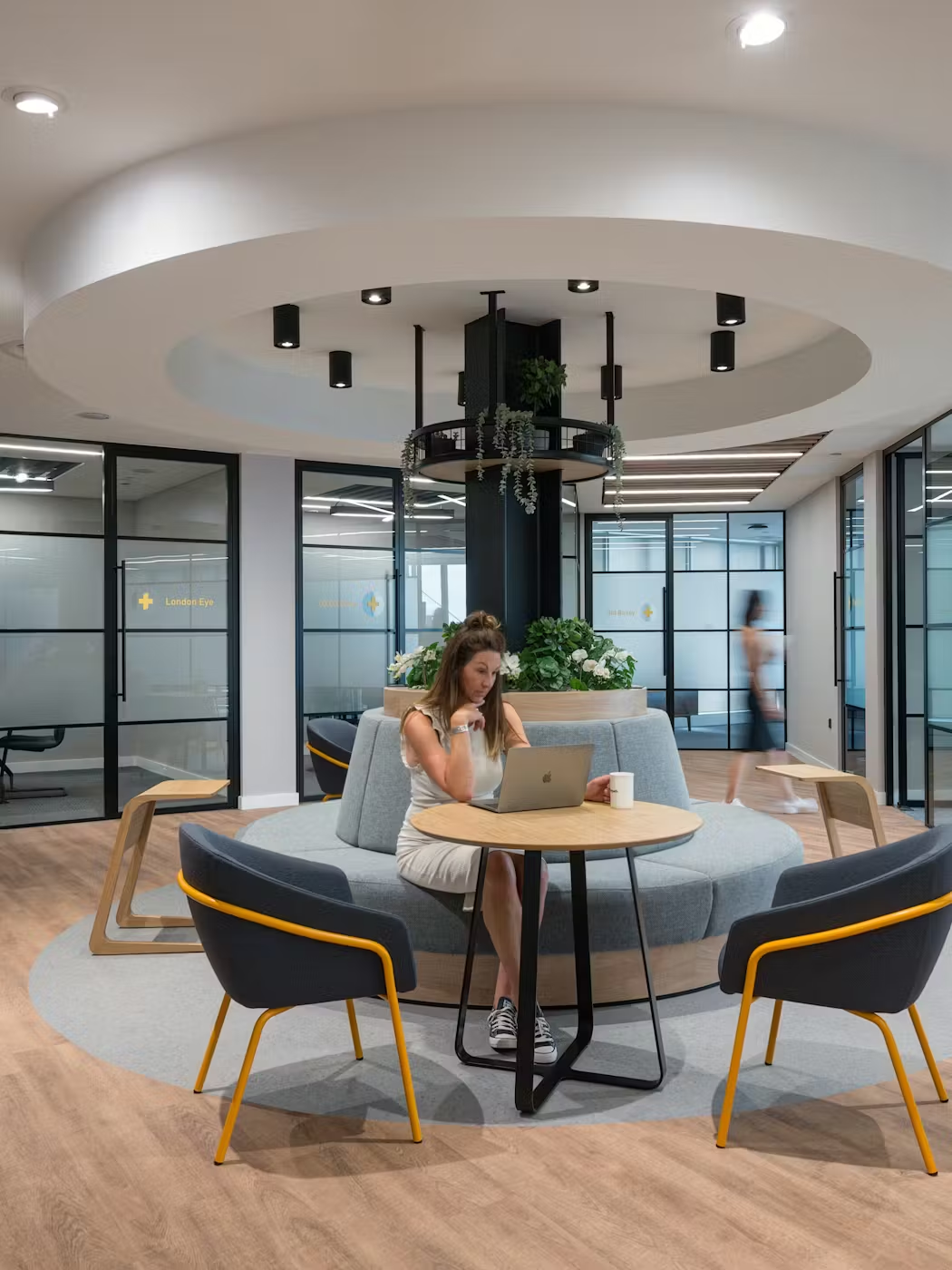
- Flexible Environment: Incorporate adjustable furniture, modular workspaces, standing desks, and spaces with diverse seating options to allow employees to tailor their work environment to their individual preferences.
- Personalisation: Allow employees to personalise their workstations with features that align with their sensory preferences, such as noise-cancelling headphones or fidget tools.
- Lighting and Acoustics: Implementing flexible lighting systems (dimmable and adjustable) and effective acoustic management systems (soundproofing, noise-cancelling) to support the varied sensory needs.
Acoustics and Inclusivity
Office Acoustics are a critical, yet often overlooked, aspect of office design, especially when considering neurodiversity. Noise can be a major distraction – or even a source of anxiety for neurodiverse individuals, making sound management a key element of inclusive design.
Acoustic Zoning:
Effective noise management can be achieved through acoustic zoning, where different areas are designated for different activities. Quieter areas can be reserved for focused work, while more social spaces can accommodate collaboration and interaction.
Assistive Technologies for Inclusion:
Integrating assistive technologies, such as hearing loops in meeting rooms, ensures that employees with hearing impairments can fully participate in discussions.
LEEDS
LEEDS
DENTON
Diversity and Equality-Driven Office Design – Amnesty International
Let’s look at an example of where DENTON successfully integrated diversity, equality, and neurodiversity considerations into our office designs:
The renowned human rights organisation, Amnesty International, restructured its office to enhance both efficiency and sustainability. By consolidating from four levels to three, they not only optimised their workspace but also improved their building’s energy performance certificate (EPC) rating from an E to a B. The DENTON team played a crucial role in this transformation, redesigning the mechanical and electrical systems to significantly reduce carbon emissions.
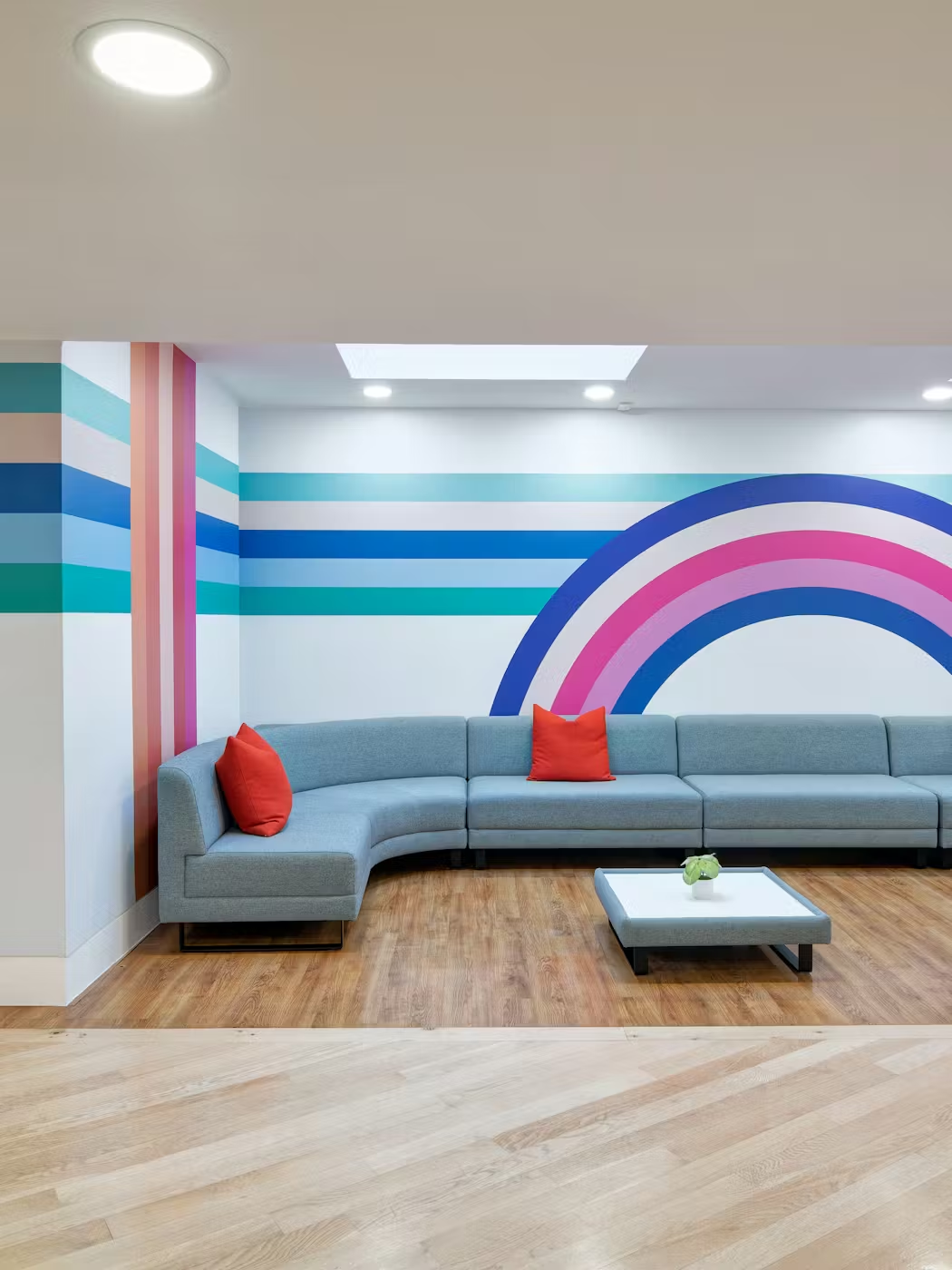
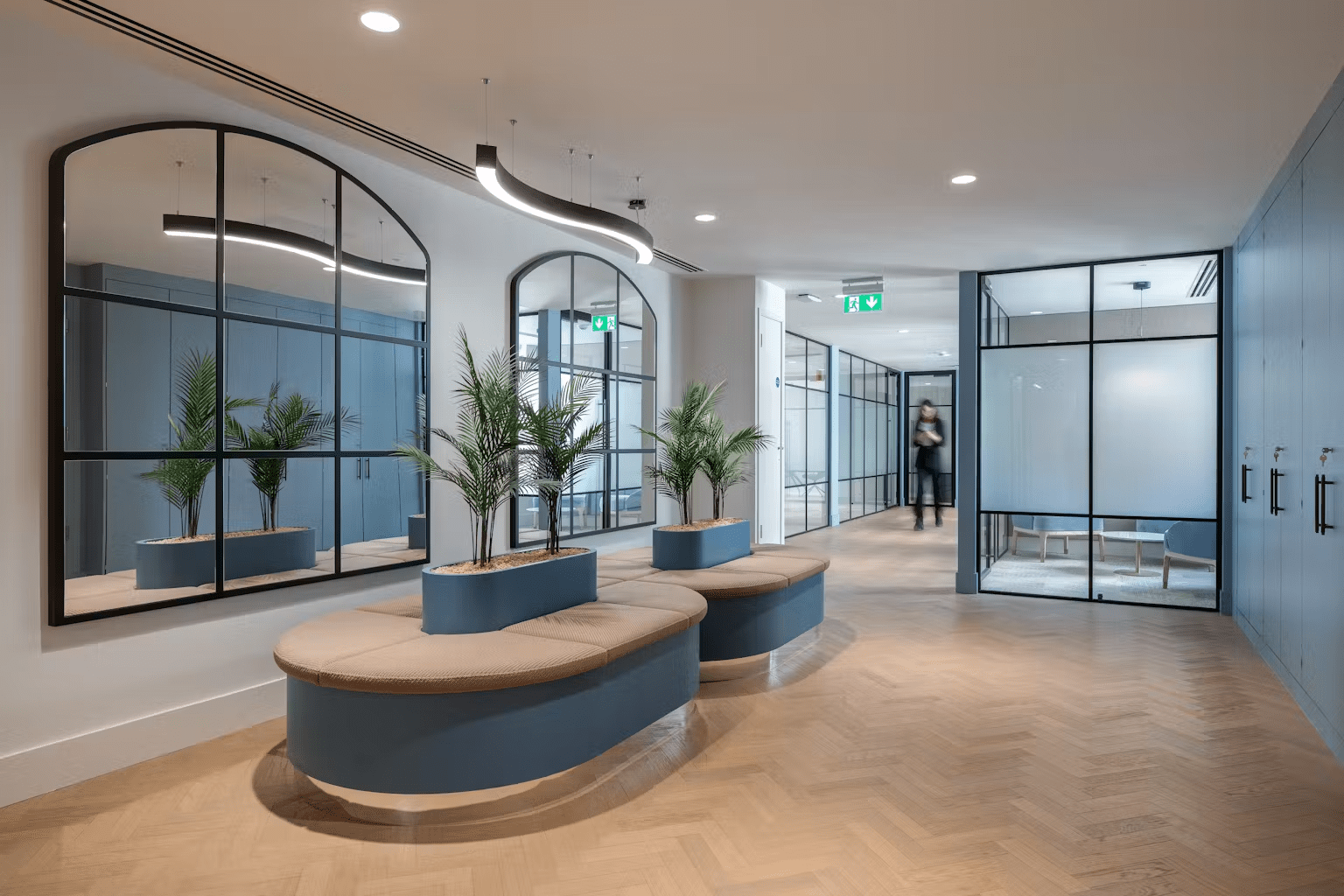
Key to this project was the focus on creating a collaborative and supportive environment, featuring a large communal breakout area, a multi-faith room, and a dedicated wellbeing space. These improvements not only cater to diverse employee needs but also promote engagement and wellbeing, reflecting Amnesty International’s commitment to diversity and equality in the workplace.
Learn more about our Amnesty International fit-out.
DENTON, designing responsible and sustainable workspaces
Creating an inclusive workplace is about more than just implementing the right policies – it requires a physical space that reflects and supports those values. By combining thoughtful workplace policies, with responsible office design, businesses can create environments that promote diversity, equality, and neurodiversity, ensuring that all employees have the opportunity to thrive in their workplace.
At DENTON, we are committed to helping businesses achieve these goals through thoughtful, innovative and inclusive office design solutions. Get in touch to discuss your office fit-out project, or browse our fit-out services to see how we can help you optimise your workspace.
Richard has been Board Director of DENTON since 1998. In addition to his board responsibilities, Richard has executive responsibility for DENTON’s Marketing and Sustainability services.
Richard is a Chartered Surveyor and holds degrees in Building Surveying, Construction Management and Interior Architecture. He is a highly regarded visiting lecturer at the University of Hertfordshire.
Have a project in mind?
- Experience
- Creativity
- Integrity
- Experience
- Creativity
- Integrity
- Experience
- Creativity
- Integrity
- Experience
- Creativity
- Integrity
- Experience
- Creativity
- Integrity
- Experience
- Creativity
- Integrity
- Experience
- Creativity
- Integrity
- Experience
- Creativity
- Integrity
- Experience
- Creativity
- Integrity
- Experience
- Creativity
- Integrity