What is Office Burnout?
Office burnout is a negative effect of unmanaged workplace stress, often caused by various factors. It manifests through three key dimensions: a sense of energy depletion or exhaustion, heightened mental distance from work, and negative or cynical feelings towards work, resulting in a sense of reduced accomplishment and loss of personal identity.
An effortless way to notice if you have office burnout is when your regular rest found in work breaks, weekends, and time off doesn’t effectively help your exhaustion. While burnout isn’t an official medical diagnosis, the severity of burnout can present in diverse ways depending on the individual.
Potential causes of job-related stress:
- long hours
- heavy workload
- changes within the organisation
- tight deadlines
- changes to duties
- job insecurity
- lack of autonomy
- boring work
- Insufficient skills for the job
- over-supervision
- inadequate working environment
- lack of proper resources
- lack of equipment
- few promotional opportunities
- harassment
- discrimination
- poor relationships with colleagues or bosses
But is there anything employers can do to help prevent office burnout? Of course. As well as aiming to improve workplace culture and employee benefits, our office environment plays a huge role in how we feel while at work. Reviewing your current space and refurbishing the areas of work are vital to improving employee satisfaction and ultimately preventing burnout.

Understanding the Impact of Office Design on Burnout
The relationship between workplace design and employee wellbeing is a critical aspect that significantly influences the overall work environment. Currently, 76% of professionals are experiencing moderate to high levels of stress, which transpires through to their work, general environment, and those around them.
Embracing a forward-thinking approach to office design presents a lasting solution to reducing office burnout. Unsurprisingly, employees subjected to dimly lit cubicles and disruptive surroundings are more prone to burnout. In such environments, employees need more stimulation and more autonomy to shape their workspaces, for example, not being able to choose where to sit and being bound to a confined specific cubicle.
These choices become more prevalent and effective when integrated into an office designed with modern office design principles. This approach addresses burnout by providing a conducive environment and promotes employee wellbeing by encouraging flexibility within the workplace.
DENTON
Office Improvements to Help Prevent Burnout
As workplace experts, we understand how to design and build an office space that both increases productivity and efficiency, improves employee wellbeing, and helps prevent burnout. Here are the key aspects to consider when aiming to enhance your space:
Creating a Functional and Ergonomic Workspace
Establishing a functional and ergonomic workspace is paramount in cultivating work environments that prioritise employee wellbeing. The emphasis on ergonomic furniture and equipment is a proactive measure to prevent physical strain while acknowledging the significance of a workspace that supports the health and comfort of employees. Incorporating adjustable desks and chairs represents a crucial aspect of this approach, providing employees with the flexibility to customise their workspaces/stations according to their unique preferences and needs without asking for permission. This adaptability enhances comfort and promotes a responsive and that can evolve with the changing demands of the job.
Offering practical tips on setting workstations becomes instrumental in encouraging proper posture and movement and installing habits that contribute to long-term physical wellbeing. By focusing on the ergonomic aspects of the workspace, organisations not only address the immediate concerns of physical strain but also invest in their workforce’s sustained health and productivity.
Fostering a Healthy Work Environment
Creating a healthy work environment goes beyond the traditional confines of office design; it involves a holistic approach to employee wellbeing and satisfaction.
Here are a few changes employers can make to foster a healthy work environment:
- Clean air, good lighting, and temperature control
- Minimise stress.
- Promote respiratory health.
- Reduces discomfort.
- Minimise stress.
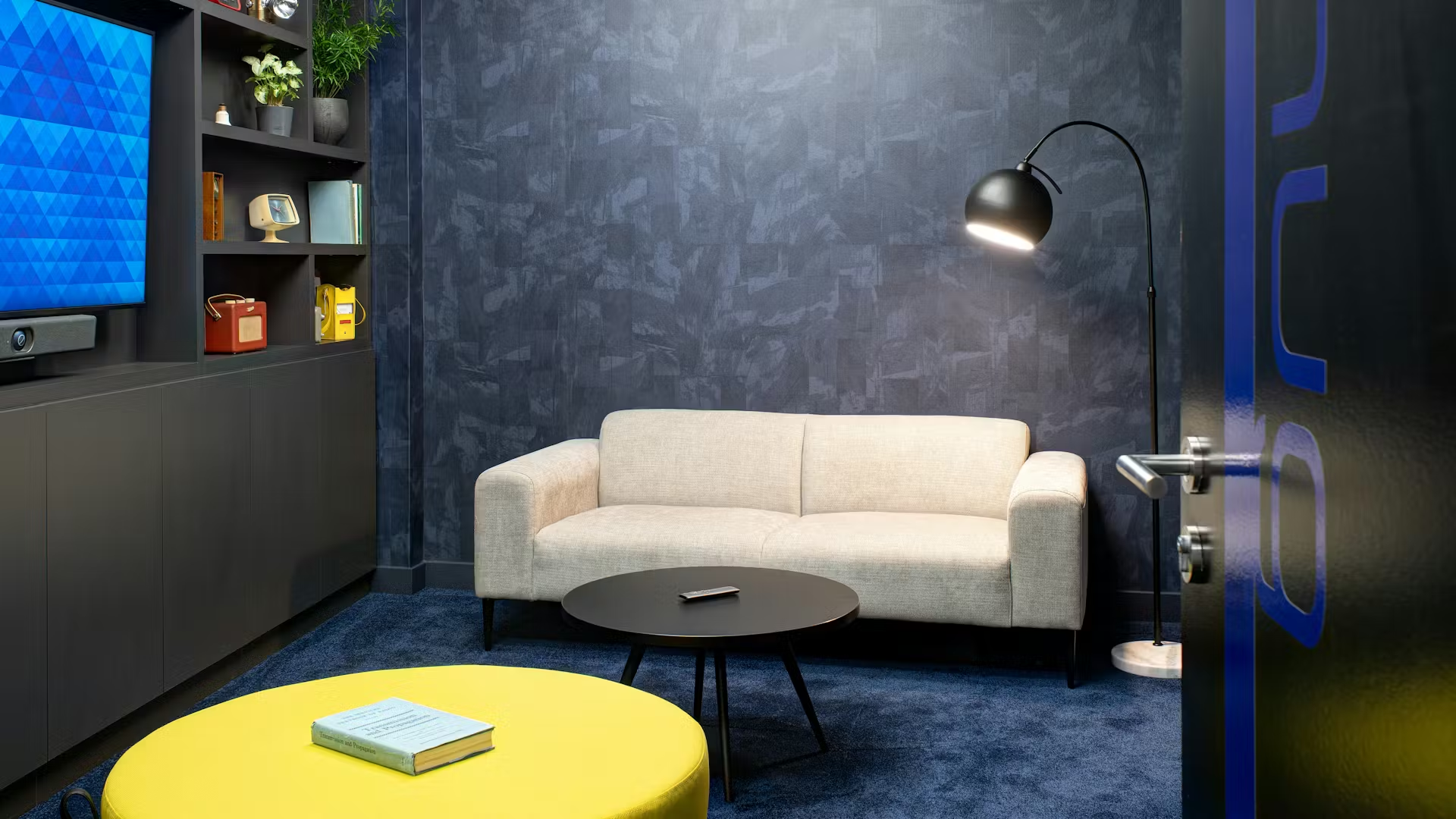
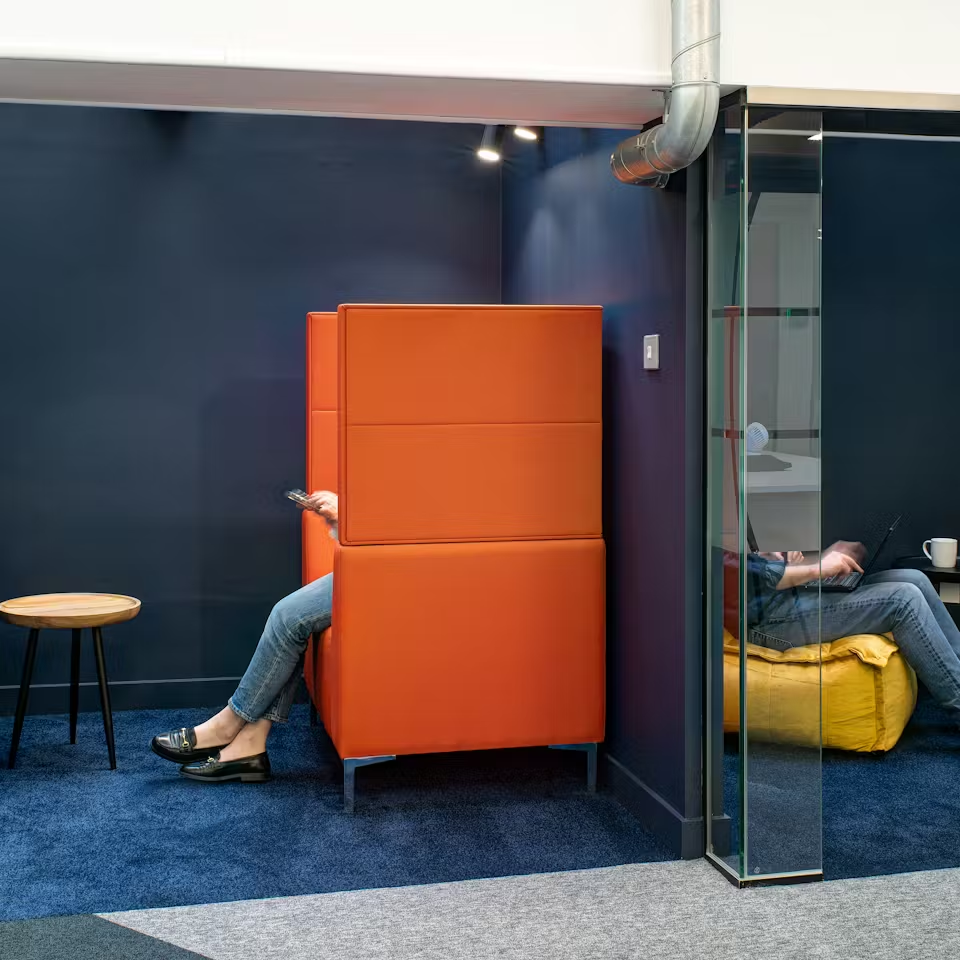
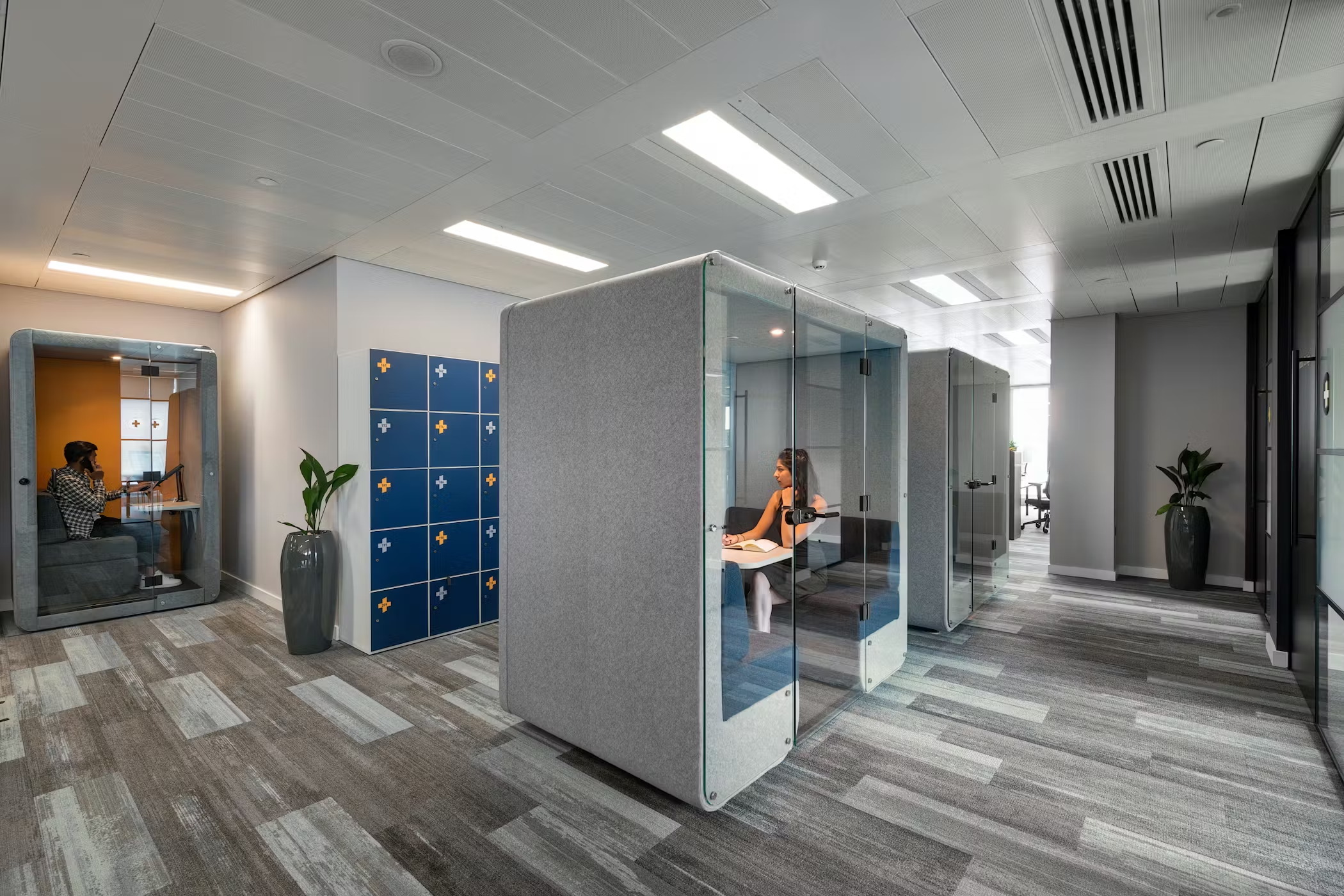
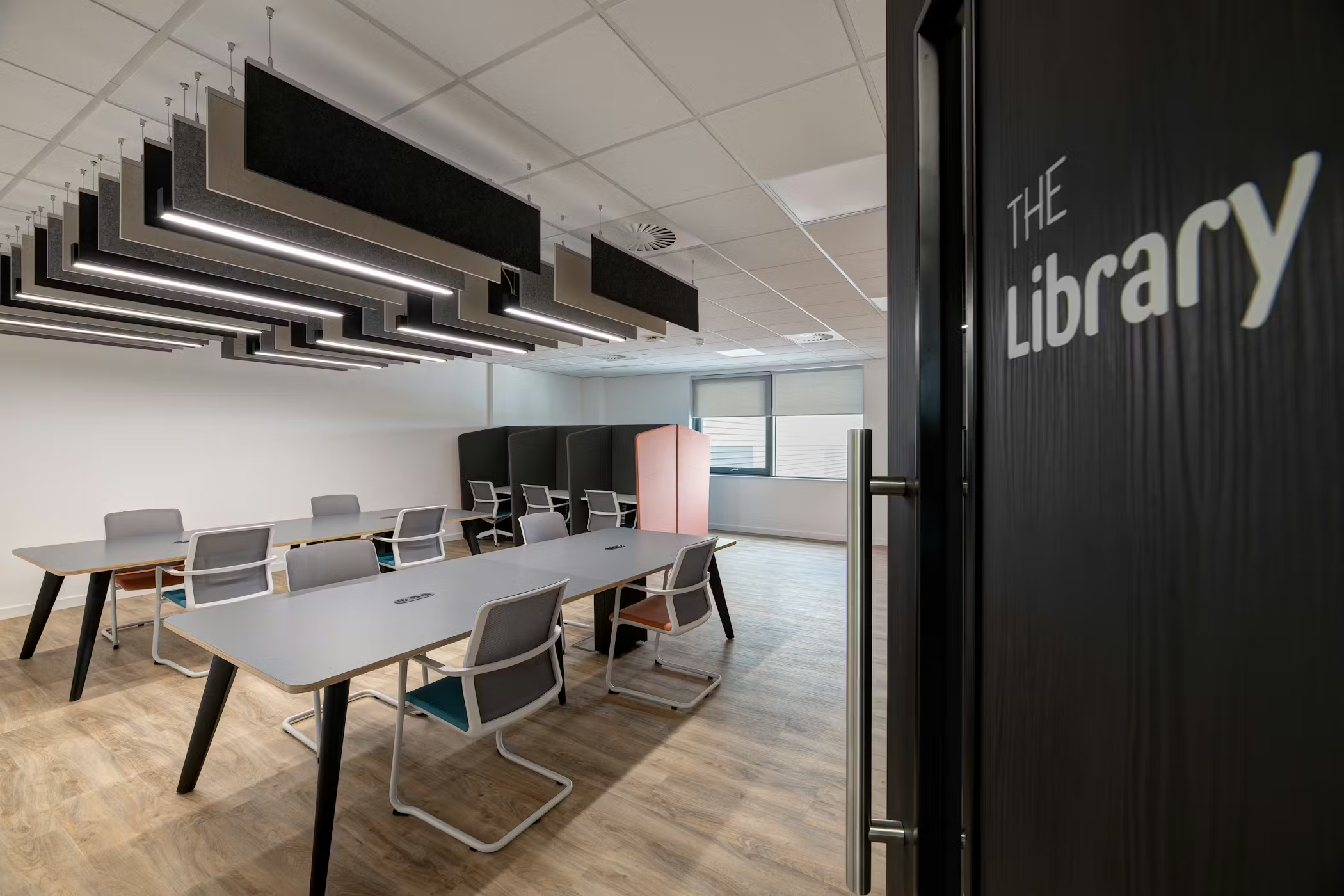
- Noise-cancelling solutions and dedicated quiet areas.
- This provides a way for employees to retreat and focus.
- These solutions reduce stress levels and foster a more tranquil work environment.
- Noise-cancelling solutions offer peace and allow focus to be easier with soundproofing,
- This provides a way for employees to retreat and focus.
- Incorporating indoor plants
- Improves air quality and creates a pleasant ambience.
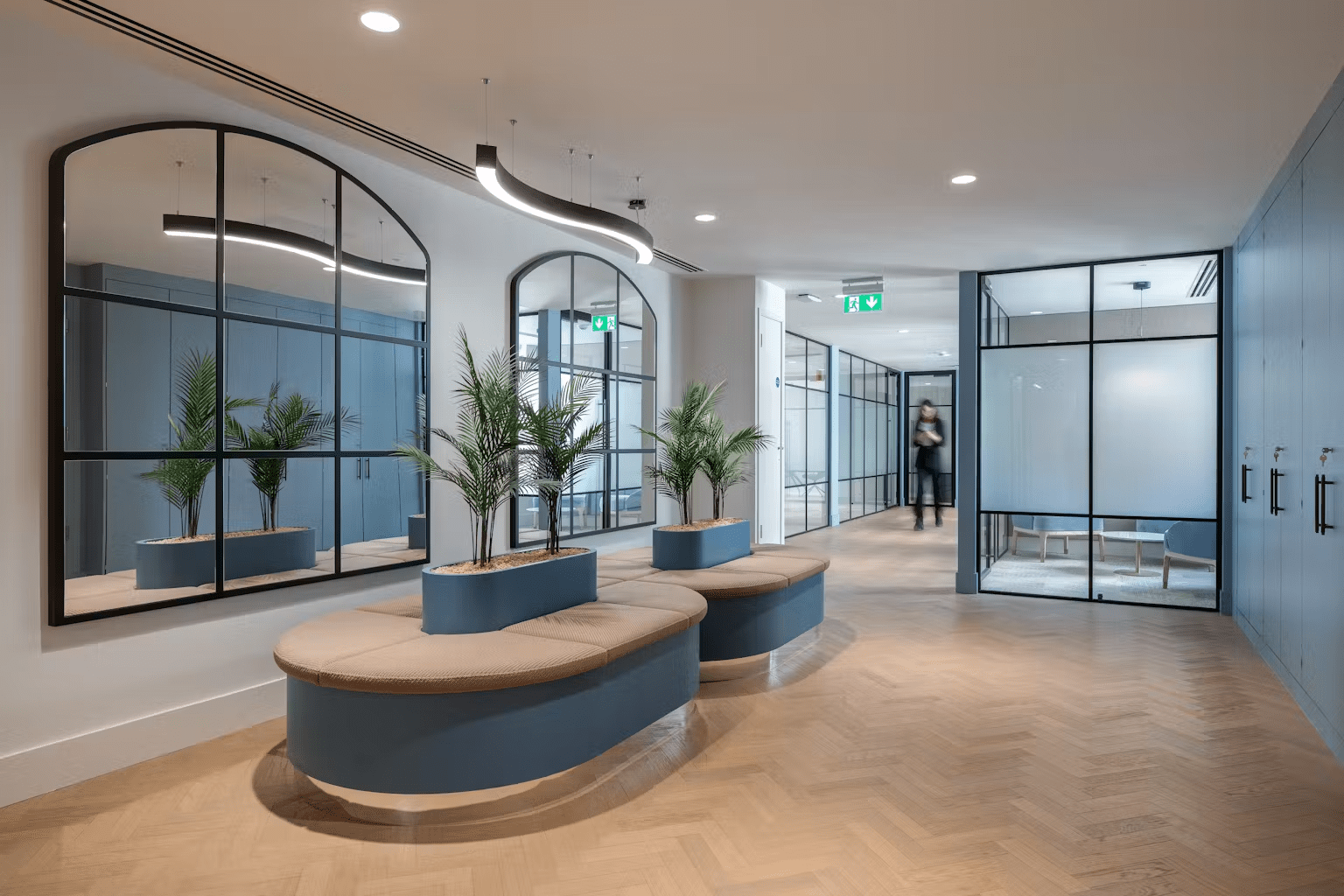
- Biophilic design contributes to a tranquil work environment, helping to prevent burnout.
- Improves air quality and creates a pleasant ambience.
Prioritising Employee Wellbeing
To proactively address and prevent office burnout, a fundamental strategy comes from prioritising the wellbeing of employees through thoughtful office design. Recognising the significance of mental rejuvenation, it is essential to create dedicated relaxing areas to serve as sanctuaries to provide employees with a brief break from their demanding workloads, allowing for mental recharge. This can be accredited through The WELL Building Standard, which measures features that promote occupant wellbeing.
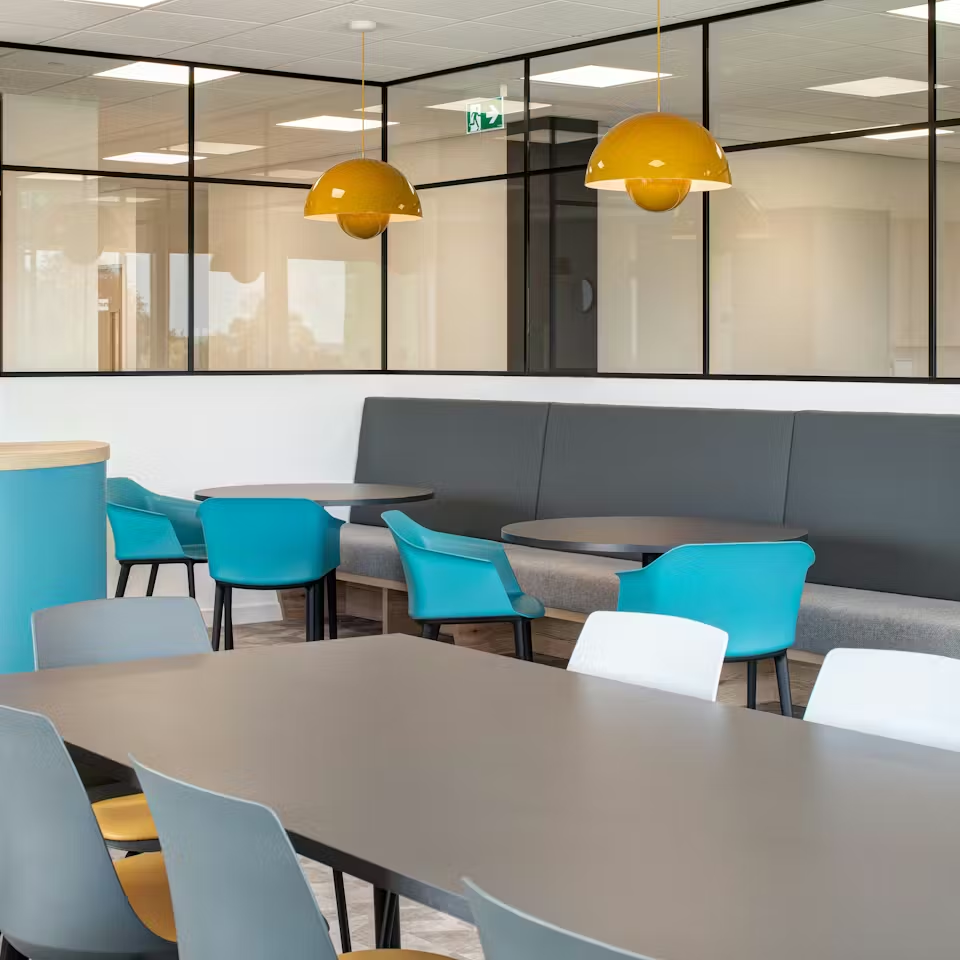
Whilst acknowledging the need for break areas, there are proactive ways to encourage employees to have release from the constant thought and attention on work, such as wellbeing rooms, onsite fitness facilities, creative breakout spaces with fun activities, incorporating vibrant colour palettes and branding to stimulate creativity.
A quick and easy tip to promote employee wellbeing is through healthy snack boxes and fun, healthy lunch suggestions.

Encouraging Collaboration and Communication
Teamwork between employees can help reduce burnout as it distributes the workload and prevents individuals from feeling overwhelmed by excessive tasks. Collaborating on tasks motivates employees by allowing them to share insights, skills, and expertise, fostering a supportive work environment. Encouraging employees to collaborate can reduce isolation and serve as a break from routine tasks.
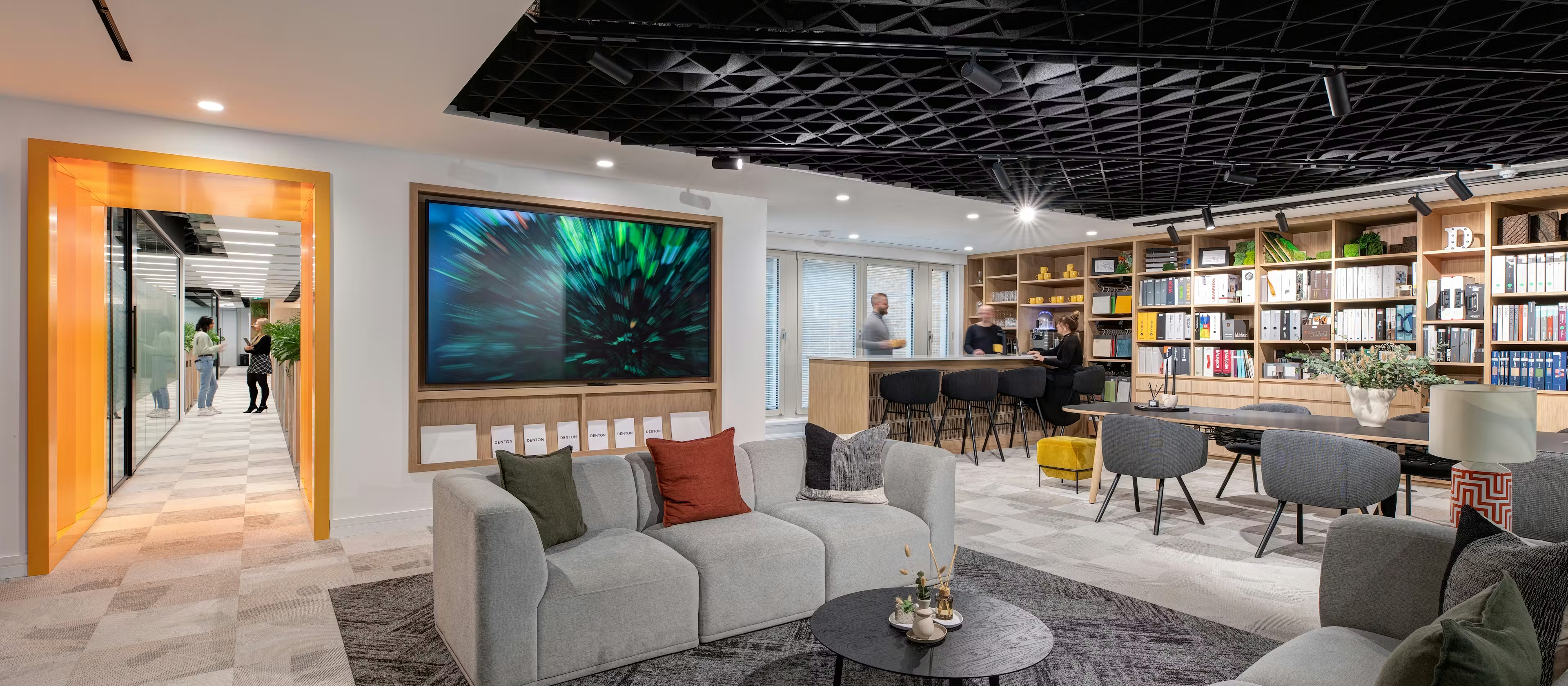
Open spaces and strategically designed collaboration zones are pivotal in encouraging spontaneous employee interactions. Having these spaces promotes collaborative ideas and can be shared between departments that wouldn’t usually communicate regularly.
Case studies that incorporated features to support collaboration and communication:
Personalising and Customising the Office
Personalising your office space for the benefit of employees can make them feel less of a sense that they are turning up to a place of work and more to an atmospheric place where they can collaborate and spark their creativity.
Allowing individuals to infuse their unique preferences and personality into their work areas not only boosts morale but also enhances a sense of ownership and belonging. Personalised workspaces can contribute to a more relaxed and comfortable atmosphere, leading to increased job satisfaction and productivity.
Incorporating branding and company culture into office design is equally vital for creating a cohesive and unified workspace. Strategically integrating the company’s visual identity, mission, and values into the physical space reinforces a strong sense of organisational culture. From branded artwork and colour schemes to custom signage and logo displays, these elements visually communicate the company’s ethos and contribute to a consistent brand image.
Regularly Evaluating and Adapting
To create a work environment that safeguards against office burnout, the commitment to regularly evaluating and adapting the office design is a necessary step. The workplace is a dynamic ecosystem, and its evolution should align with the changing needs of the employees. Stressing the need for ongoing evaluation ensures that the office fit-out remains a responsive and supportive space that effectively caters to the workforce’s wellbeing.
Gathering employee feedback emerges as a cornerstone in this process. Their insights are invaluable in understanding what works well and identifying areas that may need improvement. Establishing effective feedback mechanisms, such as surveys, focus groups, or regular check-ins, empowers employees to voice their opinions and concerns, fostering a culture of transparency and collaboration. Actively incorporating this feedback into decision-making processes reinforces a sense of ownership among employees.
The field of office design is dynamic, with new insights and innovative solutions emerging regularly. Employers who remain paralleled with these developments can infuse the latest design trends and research findings into their office fit-out strategy. This commitment to staying current ensures that the workspace remains visually appealing and functional and reflects a stance in cultivating an environment that actively prevents burnout.

DENTON, preventing burnout through office design.
In fast-paced environments where workspaces are evolving to accommodate new environments to support the prevention of office burnout, and increase employee collaboration, creativity, and overall happiness. DENTON are a leading office design and build company based in London & Manchester that recognises the importance of employee wellbeing. We help design your office to help prevent your employees from experiencing office burnout.
Drop our friendly, experienced team a line today and let’s start a project together. Or browse DENTON’s services and ESG policy to see what other projects we can help you with.

With ten years of experience in the design and build industry, Ben is highly passionate about his work as an Interior Designer. Through creative collaboration, Ben has been involved in many of the pivotal jobs that have come through the door at DENTON. He has built lasting relationships with our clients to create innovative solutions for their space.
Have a project in mind?