-2.avif)

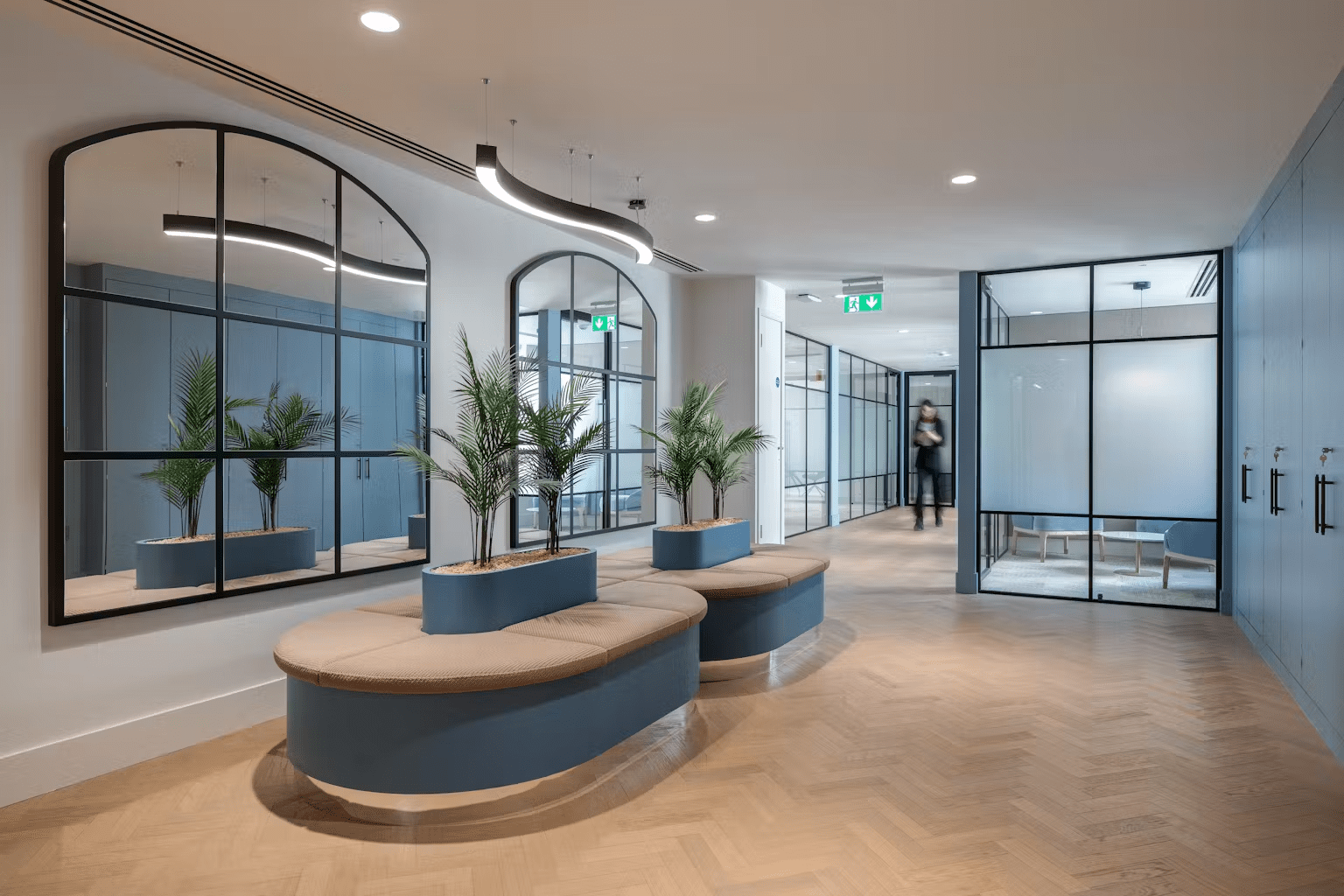
Stevens & Bolton Guilford

Stevens & Bolton Guilford
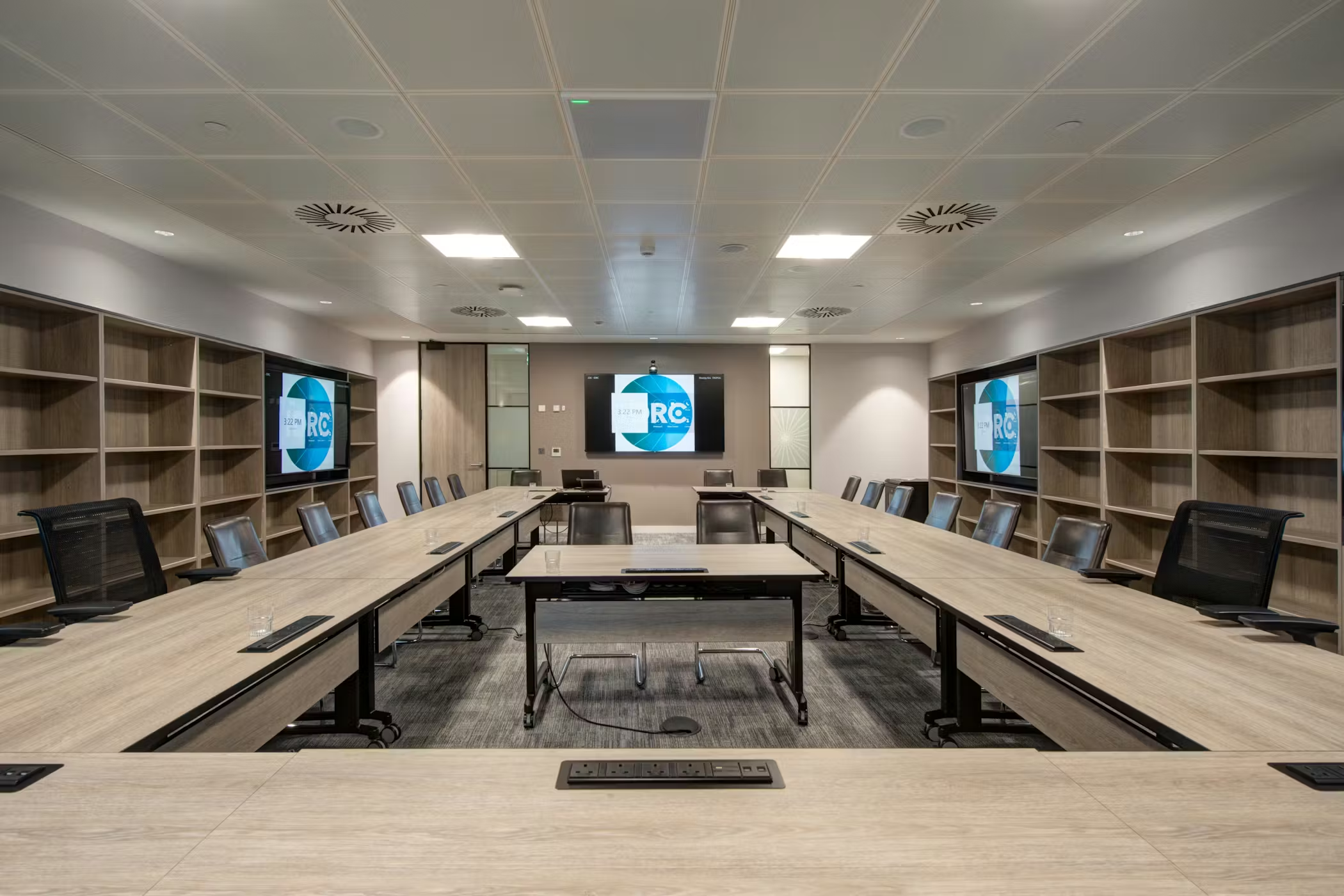
IDRC London
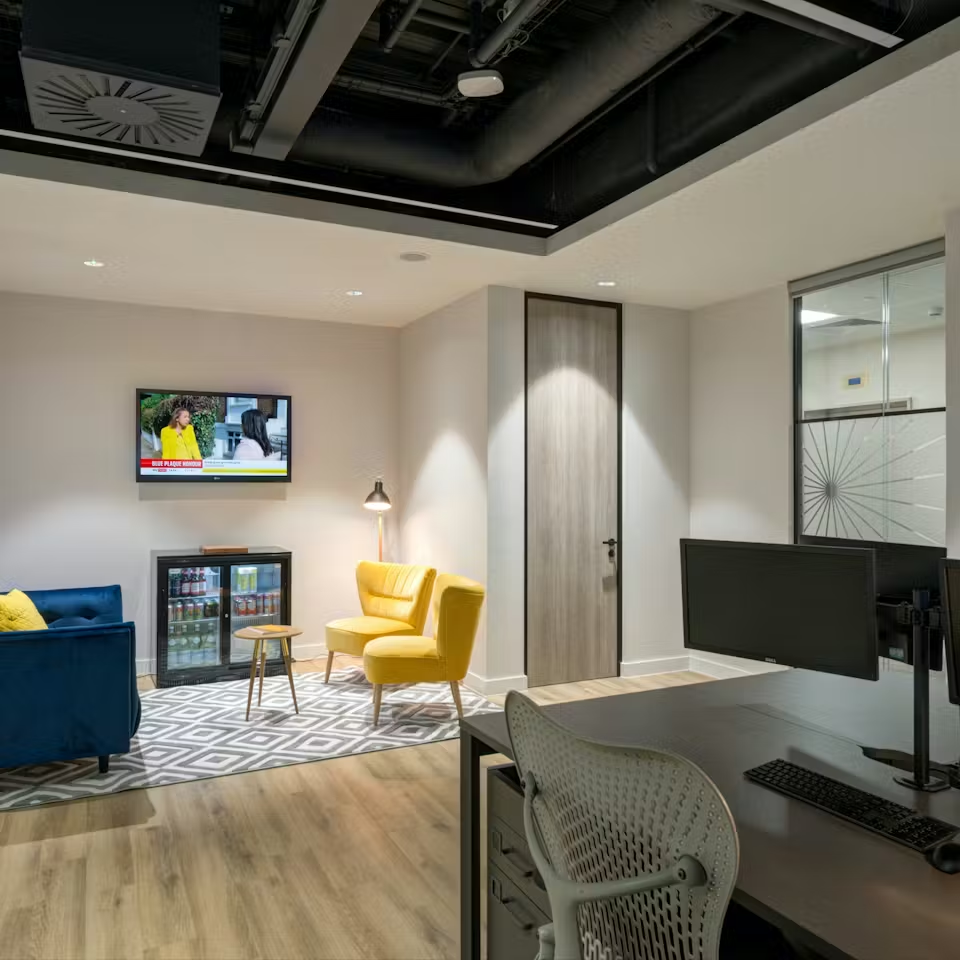
IDRC London
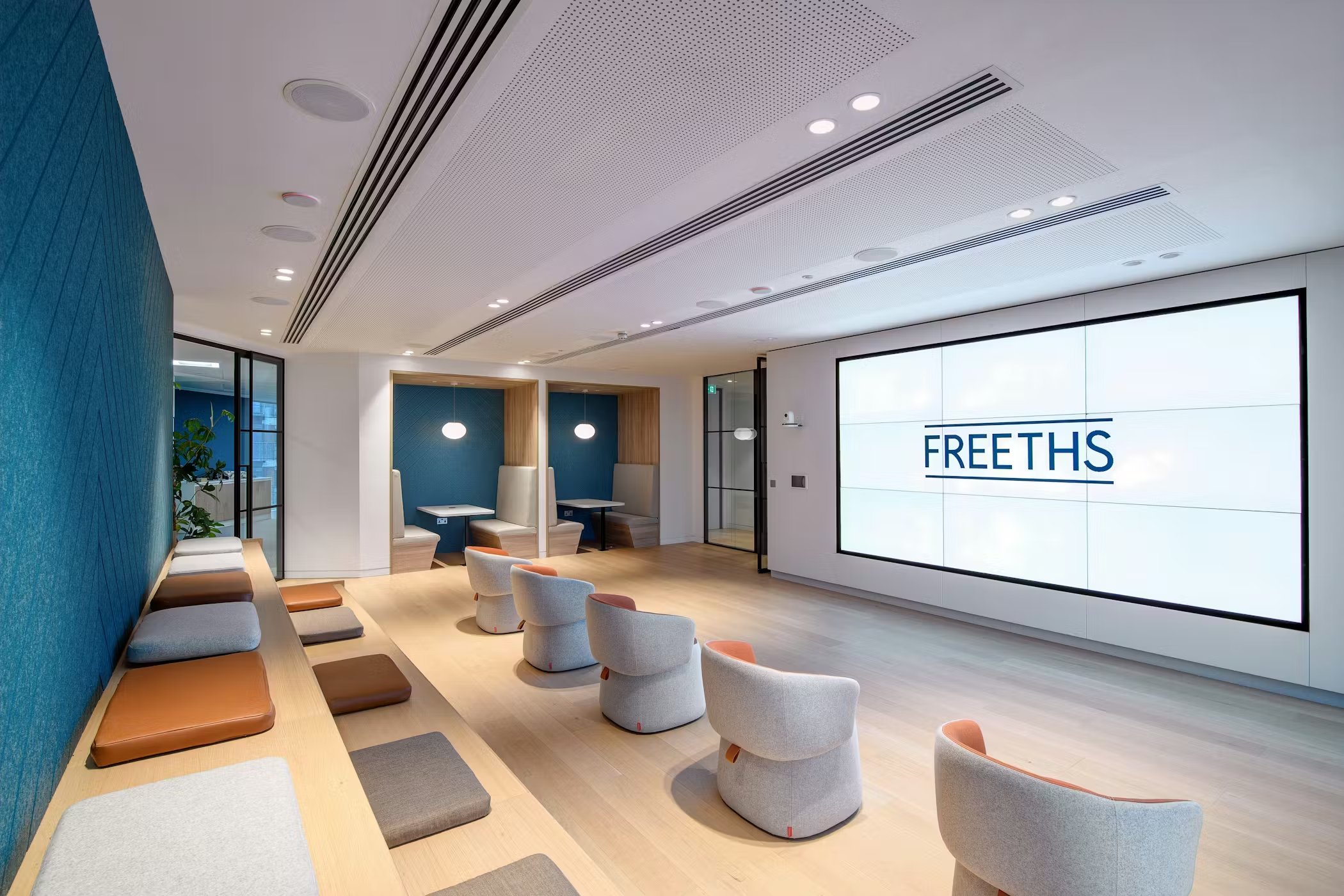
Freeths Leeds
.avif)
Freeths Sheffield
Stevens & Bolton Guilford
Stevens & Bolton Guilford
IDRC London
IDRC London
Freeths Leeds
Freeths Sheffield
DENTON

Professional Aesthetics and Atmosphere
A professional and well-designed office space not only reflects the credibility and stature of the legal firm but also positively impacts employee morale and motivation. Attention to detail in design elements such as furniture, finishes, and decor enhances the overall aesthetic appeal whilst creating a welcoming atmosphere conducive to productivity and creativity.
Brand Representation
Incorporating elements of the firm’s branding into the office design reinforces brand identity and communicates the firm’s values and ethos to clients and visitors. This can include branded signage, colour schemes, and logo placement throughout the office space.
Efficient Storage Solutions
The ability to quickly access and manage a vast array of legal documents, case files, and reference materials is crucial for productivity. Legal professionals often deal with extensive paperwork and documentation, therefore, having accessible and organised storage solutions is important for maintaining a tidy and efficient workspace. Having organised document management systems not only helps streamline workflows, but also reduces the time spent searching for important documents, allowing for more time spent on other tasks.
Natural Lighting
Well-lit and well-ventilated workspaces play a critical role in enhancing productivity, especially in the legal sector where attention to detail and prolonged periods of concentration are common. Natural light not only boosts the mood and concentration but also reduces eye strain and fatigue amongst legal processionals, allowing them to work more efficiently and effectively. By reducing reliance on artificial lighting, natural light contributes to energy savings and promotes environmental sustainability, aligning with the growing focus on corporate social responsibility.
Wellness Initiatives
Employers are increasingly acknowledging the critical role of employee well-being in driving productivity and overall organisational success. Given the demanding nature of legal work, creating a supportive and conducive work environment is essential for maintaining employee satisfaction and performance. Wellness initiatives such as designated break areas, relaxation zones, and access to healthy snacks are not only gestures of care but also strategic investments in employee morale and productivity. These initiatives encourage employees to take regular breaks, recharge their energy levels, and manage stress effectively which promotes a better work-life balance and mental well-being. By prioritising employee well-being through these initiatives, legal firms can cultivate a positive workplace culture, boost employee engagement, and foster a more productive workforce.
Accessibility and Inclusivity
Legal workplaces should be designed to accommodate employees of diverse backgrounds and abilities. This includes providing accessible facilities, ergonomic adaptations for individuals with disabilities, and inclusive design features that cater to everyone’s needs.
These key considerations and design features contribute to creating a functional, professional, and conducive work environment for legal professionals, supporting their work and client interactions effectively.

Freeths – Case Study
UK Law Firm, Freeths decided to expand and renovate their Sheffield office to coincide with their ten-year anniversary in the city and recent growth. DENTON was tasked with creating a contemporary and inclusive atmosphere that prioritised staff well-being, improved the client experience, and reflected Freeths’ new brand.
The design aimed to foster collaboration with various work settings, including agile and flexible workspaces, upgraded meeting rooms, and social areas. Special attention was given to acoustics to ensure a conducive meeting environment. Additionally, the refurbishment included a modernised reception area and a new kitchen/social space to enhance staff interaction and boost community spirit.
Steven & Bolton LLP – Case Study
Legal firm, Stevens & Bolton LLP were seeking a new office space to accommodate new ways of working whilst fostering a return to the office post-pandemic. DENTON collaborated with Stevens & Bolton LLP to develop a change management strategy, downsizing the office space and transitioning from assigned desks to agile workspaces. The design incorporated private and open-plan areas, meeting spaces, and a client meeting suite, inspired by the office’s picturesque surroundings. Sustainability and well-being were prioritised, with environmentally friendly materials and practises integrated into the design.
The project achieved SKA Silver certification and aligns with Stevens & Bolton LLP’s commitment to environmental responsibility and employee well-being. The managing partner of Stevens & Bolton LLP praised DENTON for their positive collaboration and excellent delivery of the design, expressing satisfaction with the result.
James Waddell, Managing Partner
“We’ve had a very good experience with the DENTON team. It has been positive and been an excellent collaboration between our own internal team and the DENTON team. When we set out on the project, I didn’t realise how involved and complicated it may be, and the fact we have had so much fun working with the DENTON team throughout has been a real testament. They have been very positive and listened carefully to our design brief and really worked with us to deliver it. We are really delighted with the result of the design, and I think is very clever. I’d have no hesitation recommending DENTON to another client, it is a fantastic job!”

IDRC – Case Study
London’s leading arbitration hearing centre, IDRC, sought to relocate and redesign a larger space to accommodate their specialised working styles, enhance safety measures, and adopt progressive technologies for hybrid hearings which have become more common since the pandemic.
DENTON collaborated with IDRC to create a high-performance environment conducive to flexible, collaborative, and private working. The new space, close to St Paul’s Cathedral, features state-of-the-art technology for maximum connectivity. The premises were transformed to hold 16 hearings simultaneously, with breakout rooms, private offices, and large hearing rooms equipped for significant arbitration hearings. Safety measures included innovative air conditioning systems and an exclusive lounge for clients. Exterior branding and a contemporary reception space were designed to enhance visibility and welcome visitors.
DENTON, experts in workplace communication
Successful office designs incorporate features to match your organisation’s needs. By incorporating key considerations such as confidentiality, flexible workspaces, technology integration, and professional aesthetics, legal firms can create environments that support efficient workflows and effective communication among team members. Initiatives such as wellness programs and accessibility features contribute to employee well-being, ultimately enhancing productivity and overall organisational success. As legal professionals continue to adapt to changing work environments, prioritising optimised office design remains essential for maximising productivity and success within the legal sector.
Drop our friendly, experienced team a line today and let’s start a project together. Or browse DENTON’s services to see what other projects we can help you with.
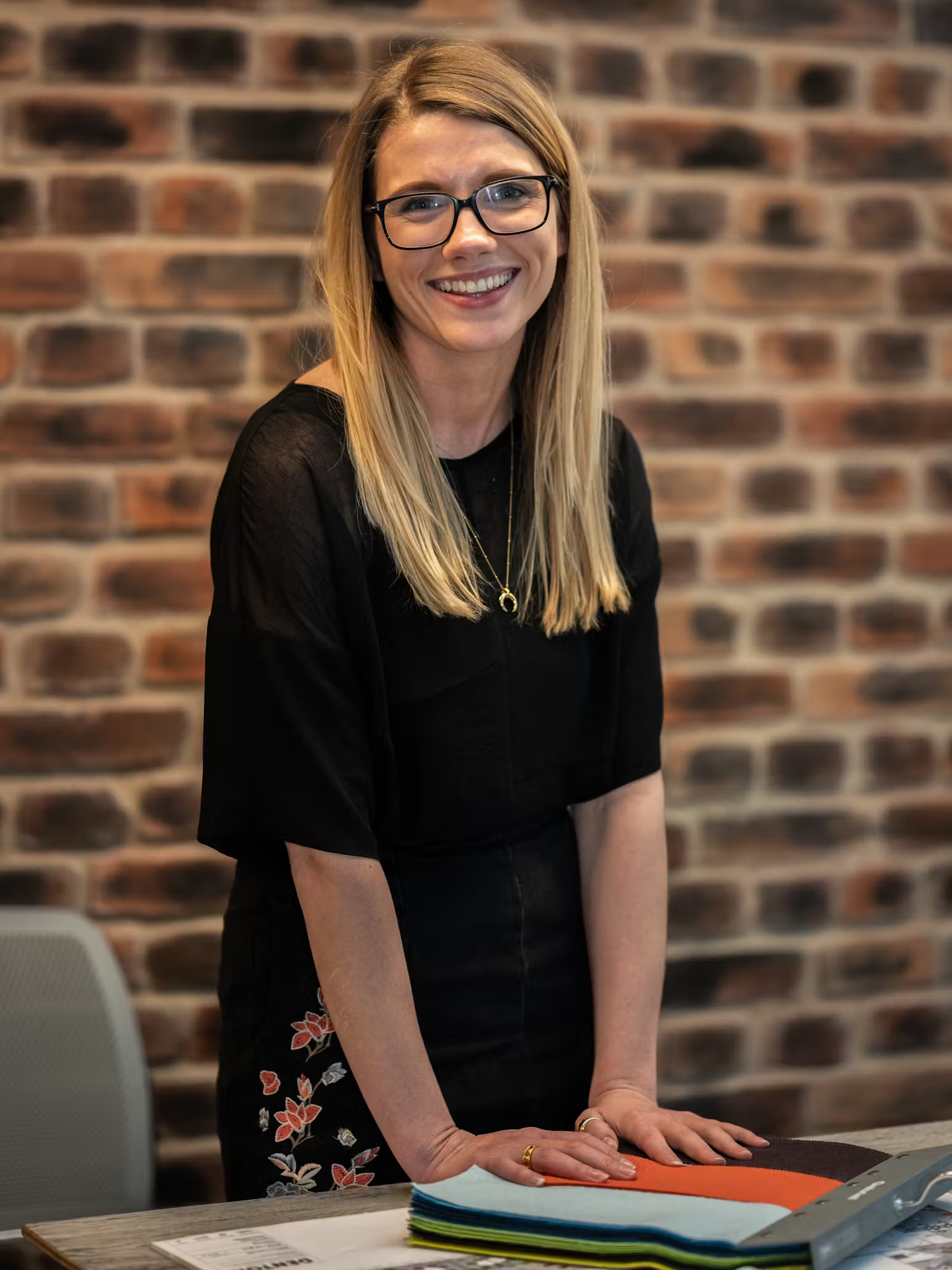
Ashleigh heads up our design team at the Manchester studio and is responsible for many of our show-stopping designs across the country! Actively involved with every aspect of the design, Ashleigh works closely alongside the project from conception to completion. With nearly 8 years of industry experience, she has worked with various clients, building strong relationships and understanding their requirements to create engaging experiences within the office.
When asked what she loves most about being a designer… "Every day is different & you are continuously learning & growing!" Passionate about creating dynamic workspaces that enable people to choose where to work, empower them with inspirational and innovative neighbourhoods within the space, and embrace the company culture surrounding them.
Have a project in mind?