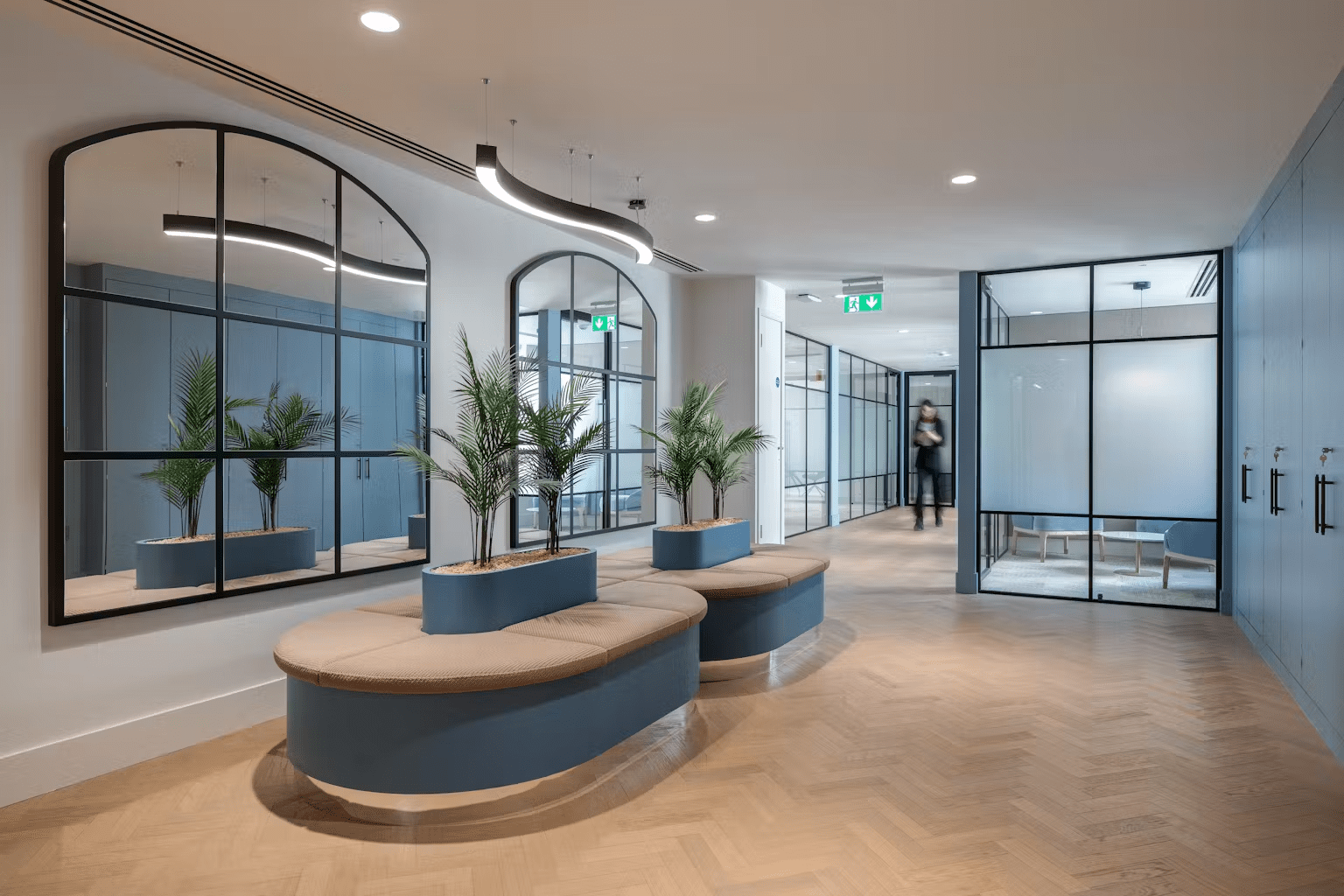
How Custom Office Designs Support DEI Initiatives - DENTON
Diversity, Equity, and Inclusion (DEI) have become critical factors in shaping successful, modern workplaces. DEI represents core values that enhance engagement, creativity, and overall performance of businesses. By supporting DEI principles through office design, companies can build environments where everyone feels valued and has equal opportunities to succeed. In this article, we explore key office design features that bring these principles to life and share the benefits of supporting DEI through workplace improvements.
What is DEI and Why Does It Matter?
Diversity, Equity, and Inclusion (DEI) are essential to creating a workplace where all employees can thrive, irrespective of their backgrounds. While distinct, these concepts are deeply interconnected. Diversity encompasses the range of identities, experiences, and perspectives within a workforce, including race, gender, age, sexual orientation, socioeconomic status, and abilities. Equity ensures that all employees have fair access to opportunities and resources, addressing systemic barriers that may hinder participation and advancement. Inclusion fosters a sense of belonging, creating a culture where every employee feels valued, respected, and empowered to contribute their unique perspectives.
Together, DEI initiatives promote a holistic approach to organisational culture, enhancing employee engagement, innovation, and overall business success by recognising and embracing the unique contributions of all individuals.
By fostering diversity and ensuring equity and inclusion, businesses not only create a fairer workplace but also strengthen their social contributions, which is a key component of ESG. A robust DEI strategy enhances a company’s ESG performance, reflecting a commitment to responsible governance and sustainable development. Learn more about DENTON’s ESG policy and objectives.
Design Features That Support DEI
To fully embrace Diversity, Equity, and Inclusion (DEI), organisations must reflect these values in their office design. Below are specific design features that support each aspect of DEI:
Diversity: Addressing Different Needs and Preferences
- Workplace Ergonomics: Providing adjustable workstations is essential for accommodating the diverse body types, physical abilities, and working preferences of employees. Customisable desks and chairs that adjust in height and configuration help create a more comfortable and productive environment, reducing the risk of strain or injury. Additionally, incorporating various tools and furniture designed to enhance comfort, efficiency, and safety further addresses the physical needs of all employees. By ensuring that all equipment works harmoniously to support different working styles and preferences, organisations foster a workplace that truly values each individual.
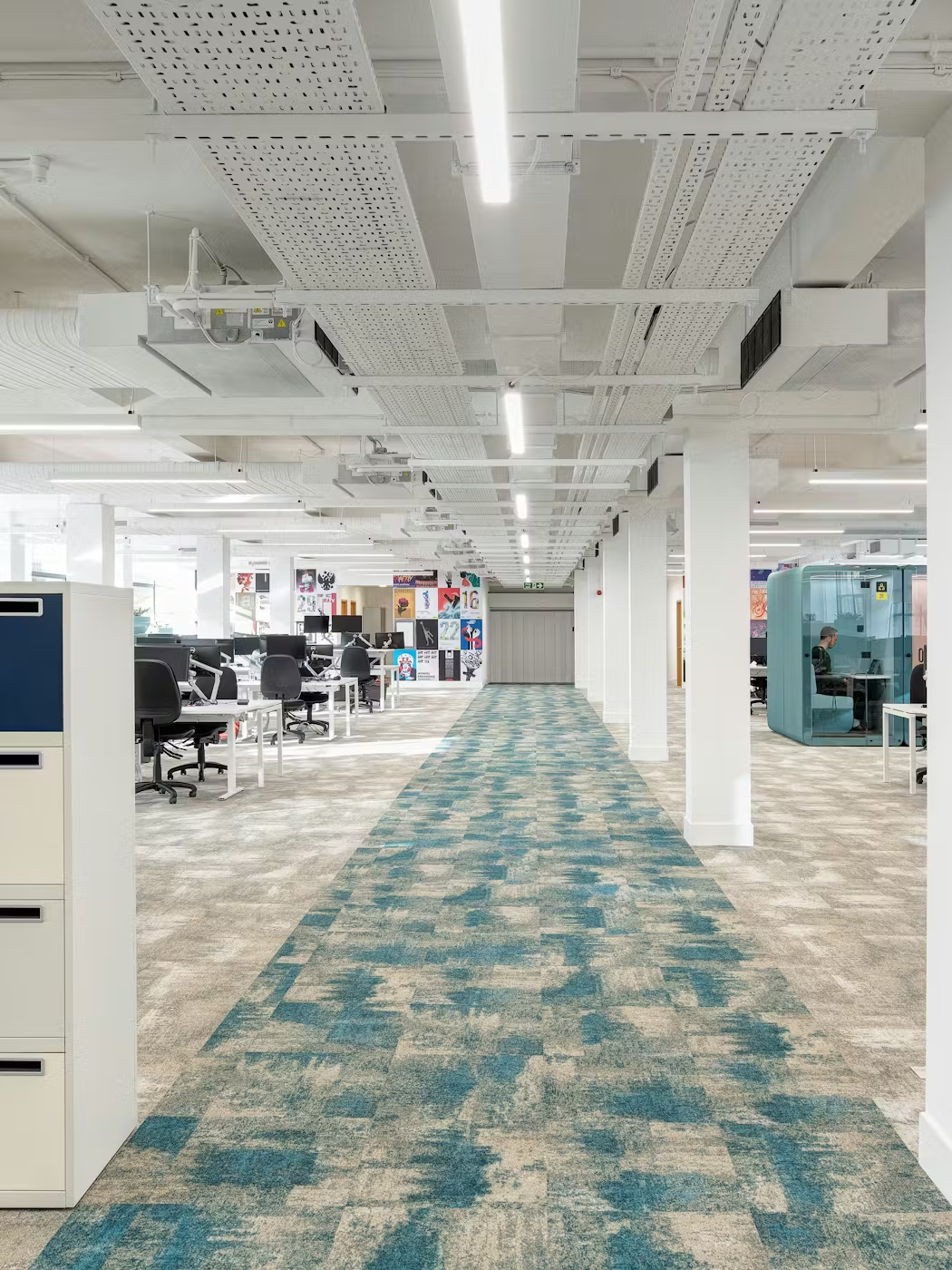
- Accessible Spaces: Office layouts must prioritise accessibility for individuals with disabilities. This includes not just physical features like ramps and wide doorways, but also thoughtful navigation pathways that allow easy movement throughout the space. Braille signage and auditory cues can enhance wayfinding for those with visual impairments, while accessible restrooms should be equipped with appropriate fixtures to ensure privacy and comfort. By actively removing barriers and creating environments that everyone can navigate comfortably, organisations empower all employees to participate fully in workplace activities.
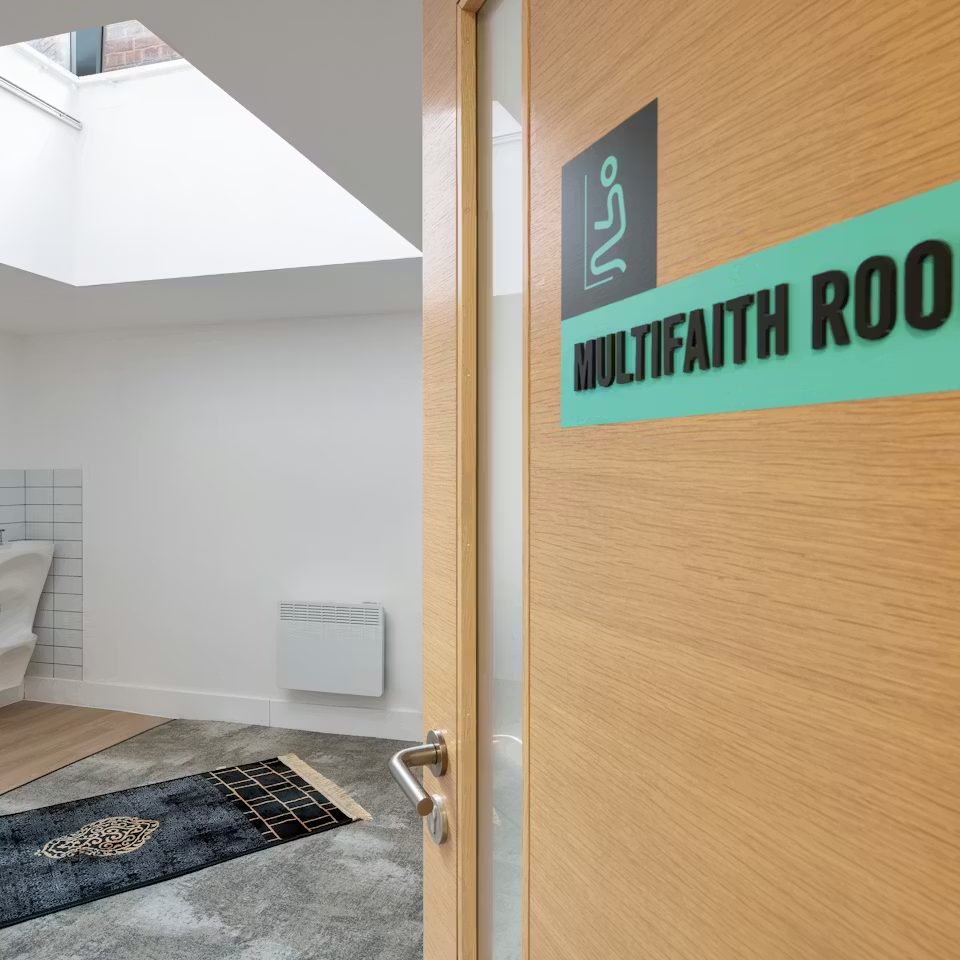
- Cultural Inclusivity: Offices can be designed to accommodate diverse cultural practices through features like prayer rooms and quiet areas for meditation. Additionally, incorporating culturally relevant artwork can help celebrate diversity and create an environment that reflects the backgrounds and identities of all employees. These design elements foster a sense of belonging, ensuring that everyone feels valued and respected in the workplace.
DENTON
Equity: Ensuring Equal Access and Opportunity
- Universal Design Principles: Incorporating features that provide equitable access, such as height-adjustable desks and inclusive kitchen designs, ensures that all employees, regardless of their physical abilities or positions within the organisation, can comfortably use office spaces. This approach promotes an inclusive culture by ensuring that shared areas, meeting rooms, and resources are accessible to all employees, not just those in managerial or higher positions. By designing spaces that cater to the diverse needs of the entire workforce, organisations foster a sense of belonging and equality.
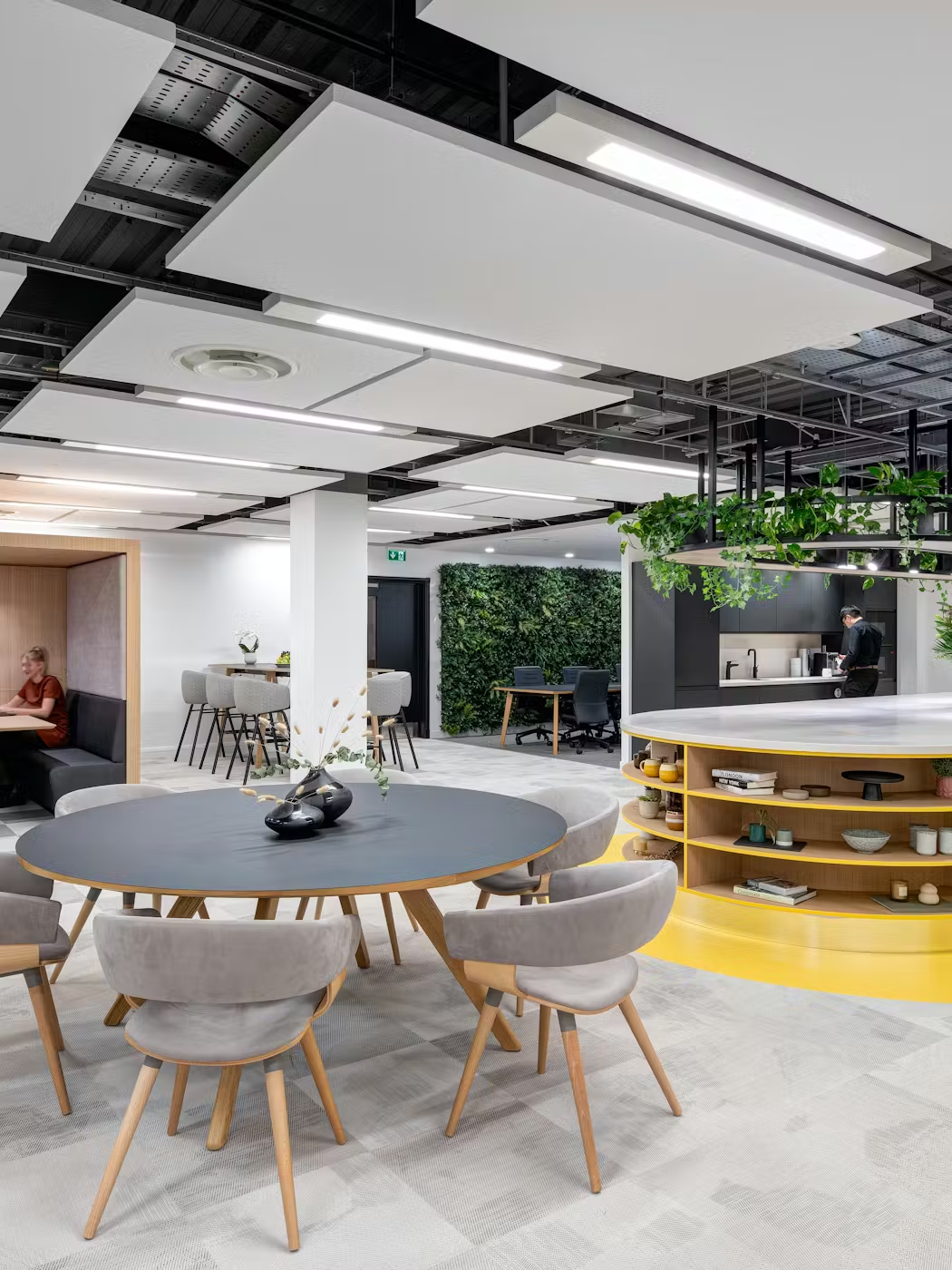
- Private and Shared Spaces: A well-balanced office layout should feature both private areas for focused work and collaborative spaces for teamwork. Private zones, such as soundproof rooms or booths, allow employees to concentrate without distractions, accommodating those who may require a quieter environment to perform at their best. Conversely, shared areas should be designed to encourage interaction and creativity, fostering team collaboration. By providing varied spaces, organisations can meet the diverse needs of their workforce and promote a sense of belonging, allowing employees to choose environments that best suit their working style.
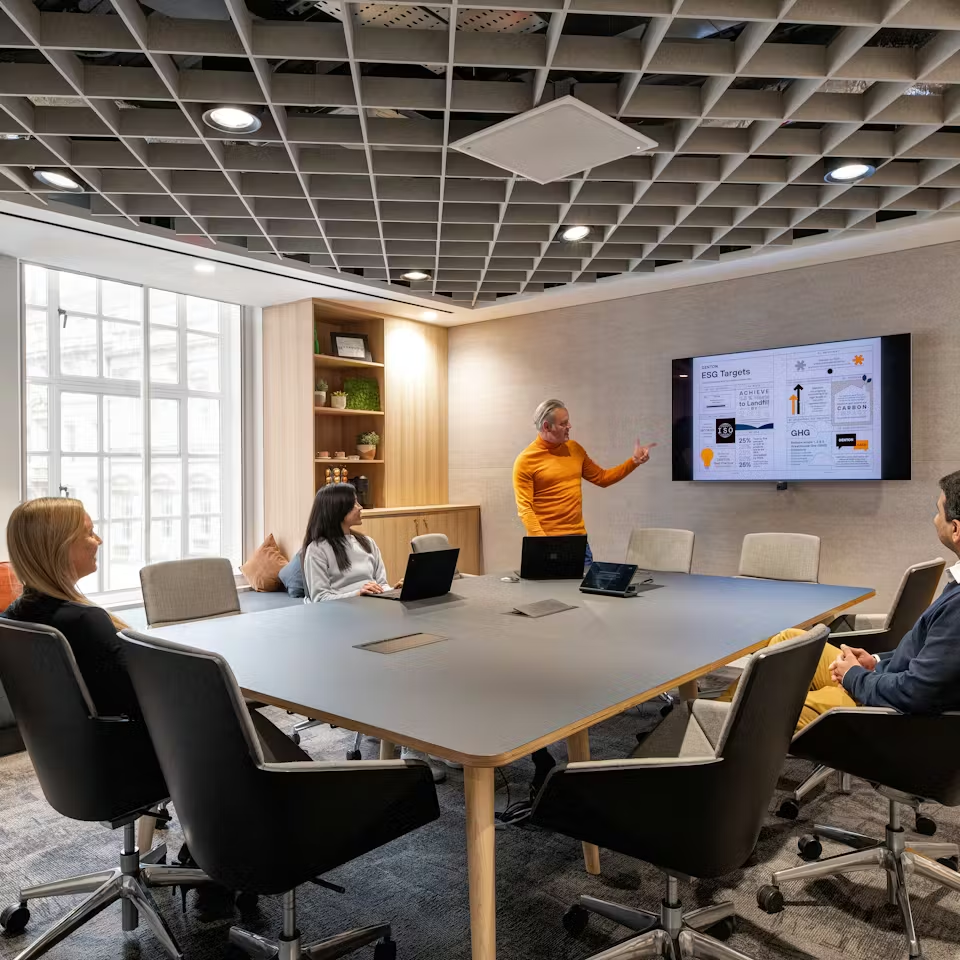
- Flexible Workstations: The modern workplace should offer flexible workstations that can adapt to the changing needs of employees throughout the day. This can involve modular furniture that can be reconfigured for different activities, whether it’s collaborative brainstorming sessions or individual tasks. Additionally, technology-integrated workspaces, equipped with tools that support a range of activities—from video conferencing to hands-on projects—allow employees to switch between different modes of work seamlessly. This adaptability not only accommodates diverse preferences but also enhances overall productivity, ensuring that all employees can thrive in an agile work environment that meets their unique requirements.
Inclusion: Fostering a Sense of Belonging
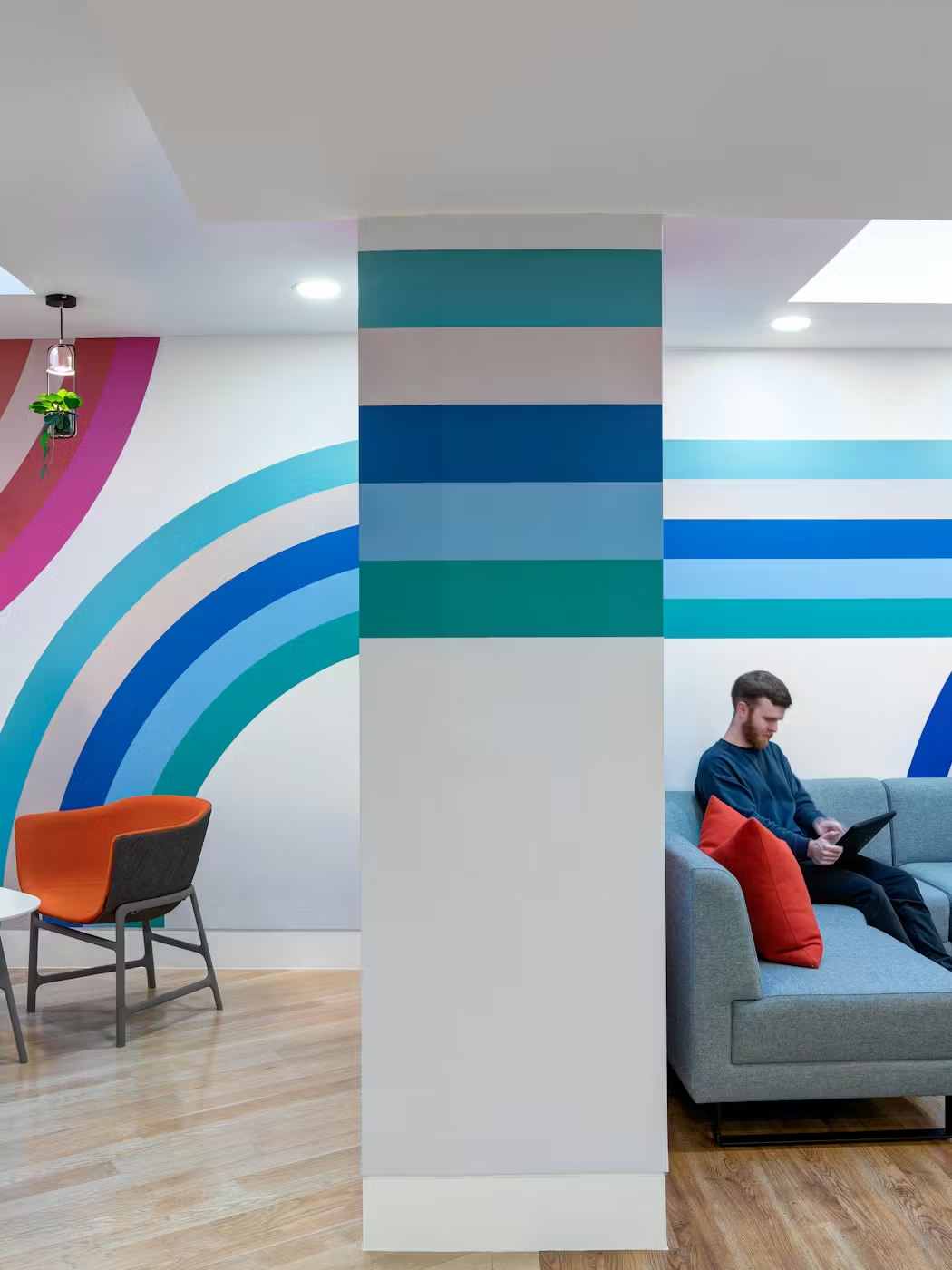
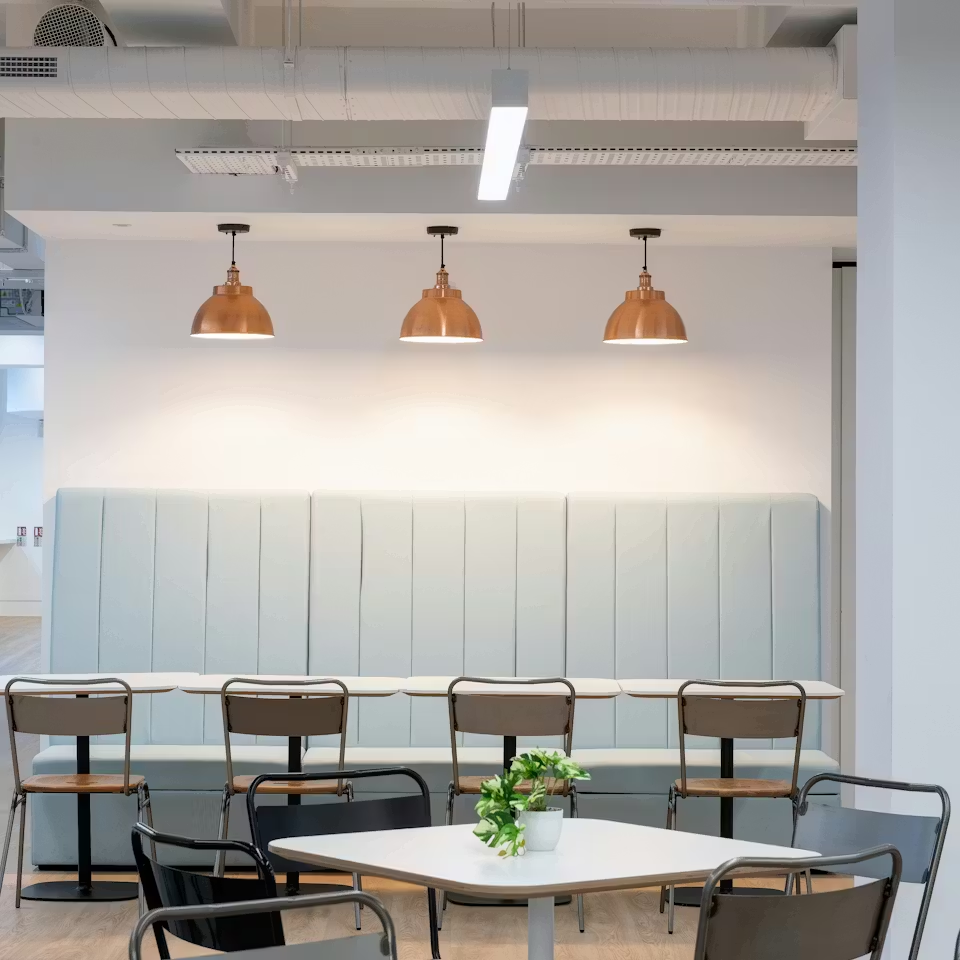
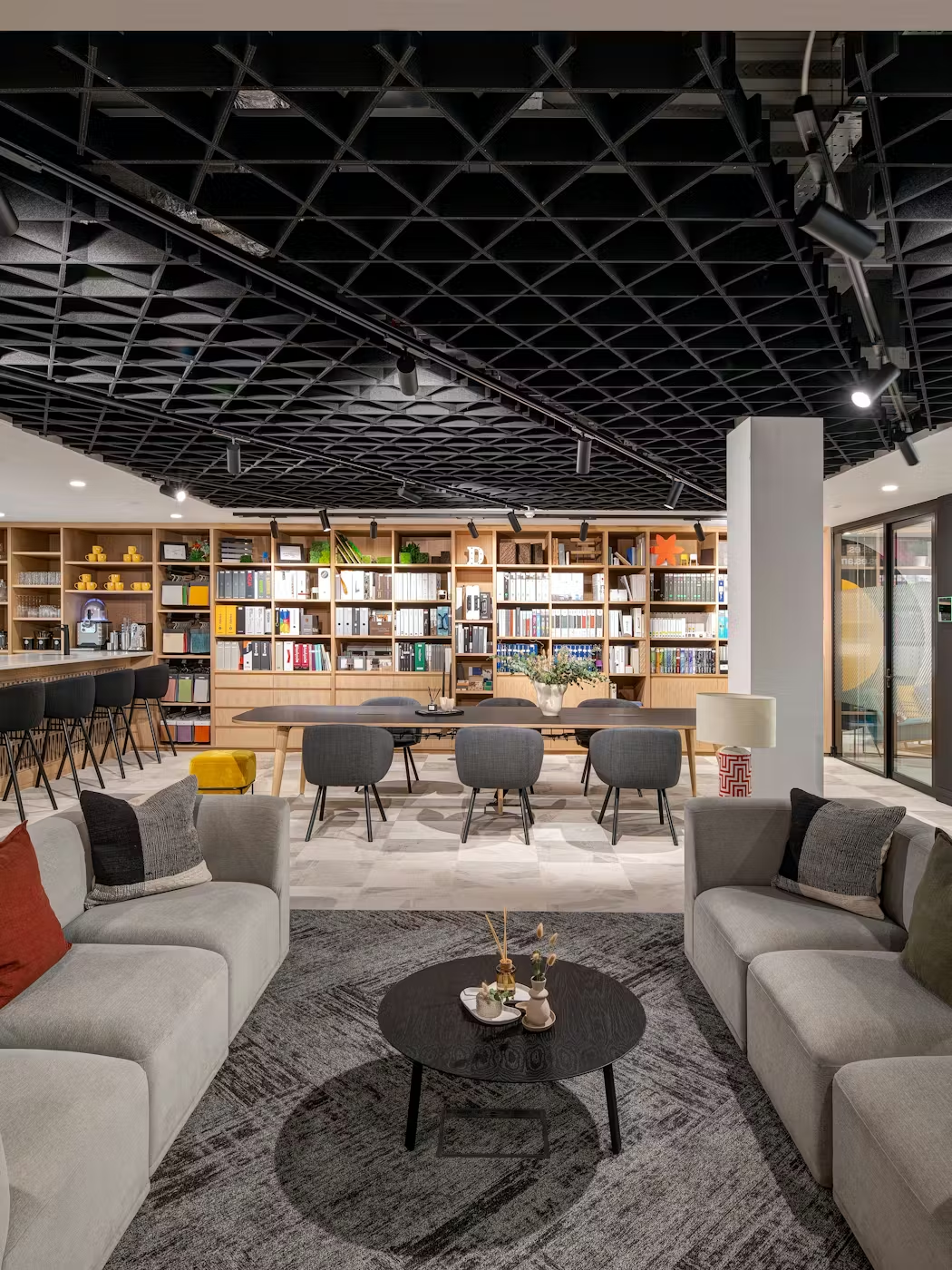
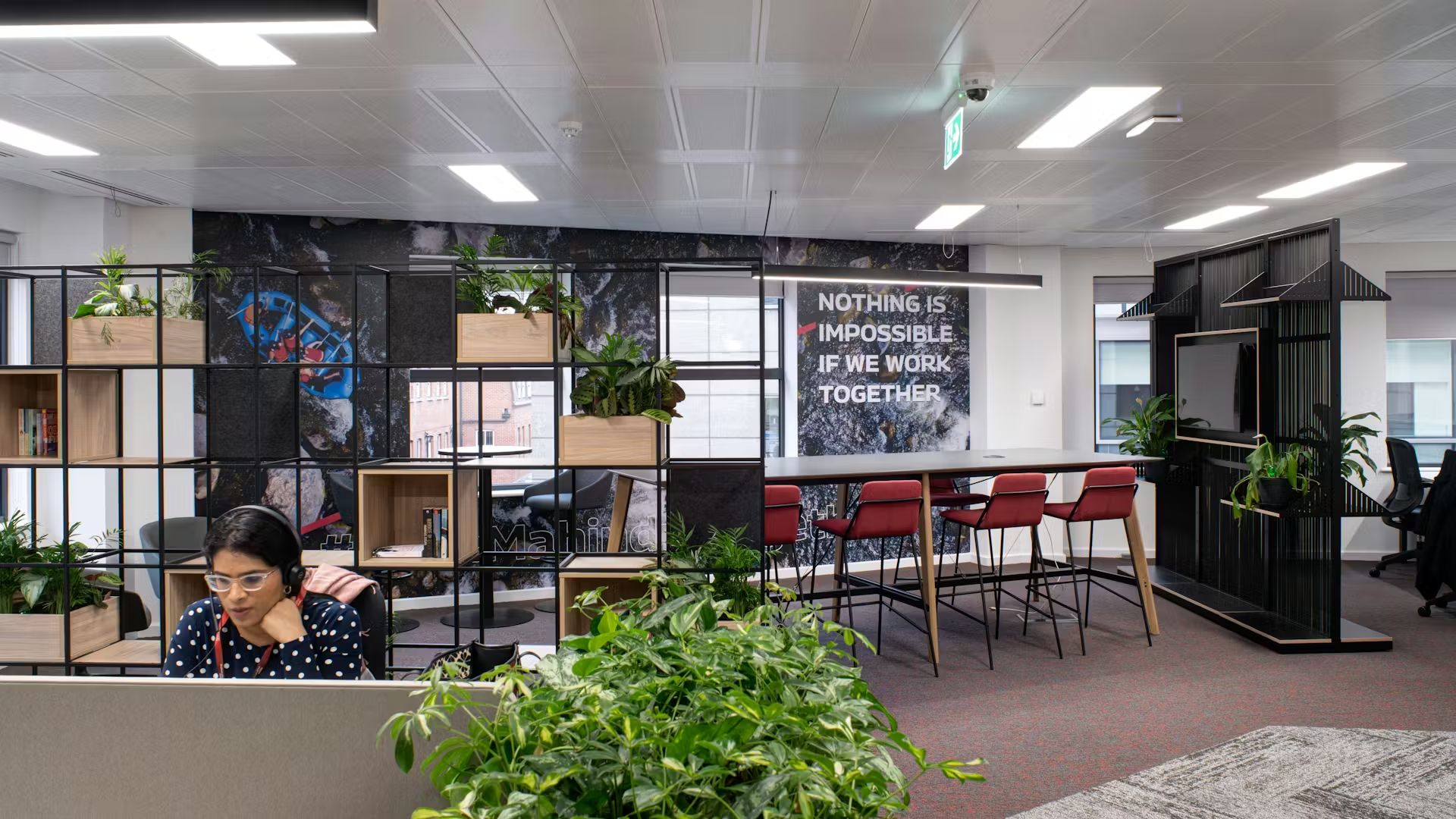
- Inclusive Breakout Areas: Breakout spaces are crucial for fostering interaction and collaboration across teams. These areas should be designed to facilitate informal conversations and brainstorming sessions, featuring flexible seating arrangements and various layout options. By incorporating comfortable lounge furniture, communal tables, and technology that supports group collaboration, organisations can create an inclusive atmosphere where employees feel welcome to participate, share ideas, and connect with colleagues from different departments.
- Gender-Neutral Facilities: By providing facilities that are accessible to everyone, regardless of their gender identity, organisations send a strong message of respect and acceptance. Gender-neutral restrooms can be designed with individual stalls that ensure privacy and comfort, while clear signage can help all employees navigate these spaces easily. This reinforces a sense of belonging and safety for everyone in the workplace.
- Personalisation Options: Allowing employees to personalise their workspaces can significantly enhance their sense of ownership and connection to the workplace. This can be achieved through flexible design elements that enable individuals to modify their environment to reflect their personality and preferences, such as adjustable lighting, movable furniture, and the inclusion of personal decor. Encouraging employees to bring in personal items, like photos or artwork, not only makes their workspaces more inviting but also fosters a sense of belonging and comfort.
Benefits of Supporting DEI in the Workplace
1. Improved Employee Wellbeing
Prioritising DEI creates an inclusive work culture where all employees feel valued and respected. By implementing policies that promote equal opportunities and actively integrating diverse perspectives into decision-making, organisations enhance engagement and collaboration. This inclusive atmosphere boosts employee morale, reduces turnover, and attracts top talent, ultimately fostering a supportive environment that drives both individual and organisational success.
2. Increased Innovation and Creativity
A diverse workforce enriches problem-solving and creativity by bringing together various perspectives. This variety enables teams to approach challenges from multiple angles, leading to more comprehensive solutions. When individuals feel trusted and respected, they are empowered to share ideas freely, experiment with new approaches, and take calculated risks, which drives innovative outcomes.
3. Talent Attraction and Retention
Businesses that prioritise DEI are more attractive to a broader pool of talent. Today’s job seekers actively look for employers who value diversity and foster inclusive environments. Moreover, a commitment to DEI helps retain employees by creating a workplace where everyone feels valued, respected, and given equal opportunities to grow.
4. Enhanced Business Performance
The business case for DEI is clear: organisations that invest in DEI often see stronger employee engagement, increased innovation, and better overall performance. Studies have shown that companies with strong DEI initiatives tend to outperform their peers, making DEI a smart long-term investment.
DENTON
The Future of DEI & Office Design
The future of DEI-driven office design is evolving, with emerging trends set to further enhance inclusivity:
Neurodiversity-Friendly Workspaces
As awareness of neurodiversity grows, office designs are increasingly being tailored to meet the needs of neurodiverse employees, including those with autism, ADHD, and other cognitive differences. These inclusive workspaces incorporate sensory rooms designed for relaxation and sensory regulation, equipped with calming lights, soft textures, and soundproofing to minimise distractions. Calming colour schemes are also utilised to create a soothing atmosphere, helping to reduce anxiety and promote focus. Quiet zones, free from visual and auditory distractions, allow employees to retreat when they need a break from the hustle and bustle of the workplace. By thoughtfully integrating these elements, organisations not only create a more inclusive environment but also empower neurodiverse employees to thrive.
Inclusive Technology & SMART Offices
The integration of AI-driven tools into office environments represents a significant step toward inclusivity. These technologies can provide adaptive solutions for lighting and climate control based on individual preferences, allowing employees to create their ideal working conditions. Digital interfaces that are user-friendly and designed with accessibility in mind ensure that all employees, including those with disabilities, can engage fully with technology. Features like voice-activated controls, screen readers, and intuitive navigation make it easier for everyone to access the resources they need. By leveraging technology to remove barriers, organisations can create a more equitable workplace where every employee has the tools necessary to succeed.
Wellbeing-Focused Design
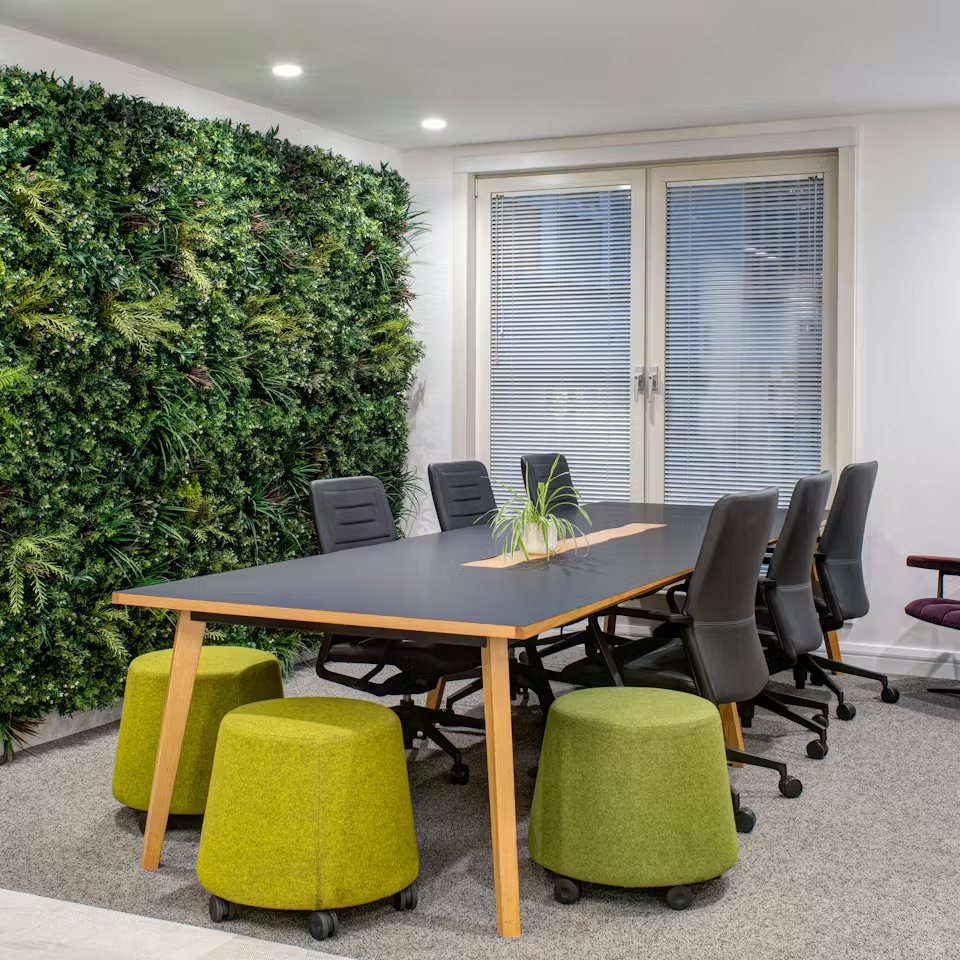
Office designs are increasingly prioritising mental and physical wellbeing as essential components of the workplace. Features such as meditation rooms and wellness spaces provide employees with dedicated areas to decompress and recharge, promoting mindfulness and stress reduction. These spaces may include calming elements like plants, natural light, and comfortable seating to create a tranquil environment. Additionally, areas dedicated to quiet reflection allow employees to take a moment for themselves, fostering mental clarity and focus. Incorporating outdoor spaces, such as gardens or terraces, can further enhance wellbeing by connecting employees with nature, which has been shown to reduce stress and improve overall mental health. By prioritising wellbeing in design, organisations demonstrate their commitment to supporting the holistic health of their employees.
DENTON, Office Fit-Out Specialists Creating Responsible Offices
Supporting DEI principles through responsible office design is essential for building workplaces where employees feel valued, included, and empowered to contribute. By focusing on diversity, equity, and inclusion, companies can enhance employee wellbeing, drive innovation, and improve business performance.
Ready to enhance your office space to support DEI principles? Get in touch with DENTON today to start your journey towards a more productive and supportive workplace.
Richard has been Board Director of DENTON since 1998. In addition to his board responsibilities, Richard has executive responsibility for DENTON’s Marketing and Sustainability services.
Richard is a Chartered Surveyor and holds degrees in Building Surveying, Construction Management and Interior Architecture. He is a highly regarded visiting lecturer at the University of Hertfordshire.
Have a project in mind?
- Experience
- Creativity
- Integrity
- Experience
- Creativity
- Integrity
- Experience
- Creativity
- Integrity
- Experience
- Creativity
- Integrity
- Experience
- Creativity
- Integrity
- Experience
- Creativity
- Integrity
- Experience
- Creativity
- Integrity
- Experience
- Creativity
- Integrity
- Experience
- Creativity
- Integrity
- Experience
- Creativity
- Integrity