Designing for All: How Accessible Offices Improve Workplace Culture - DENTON
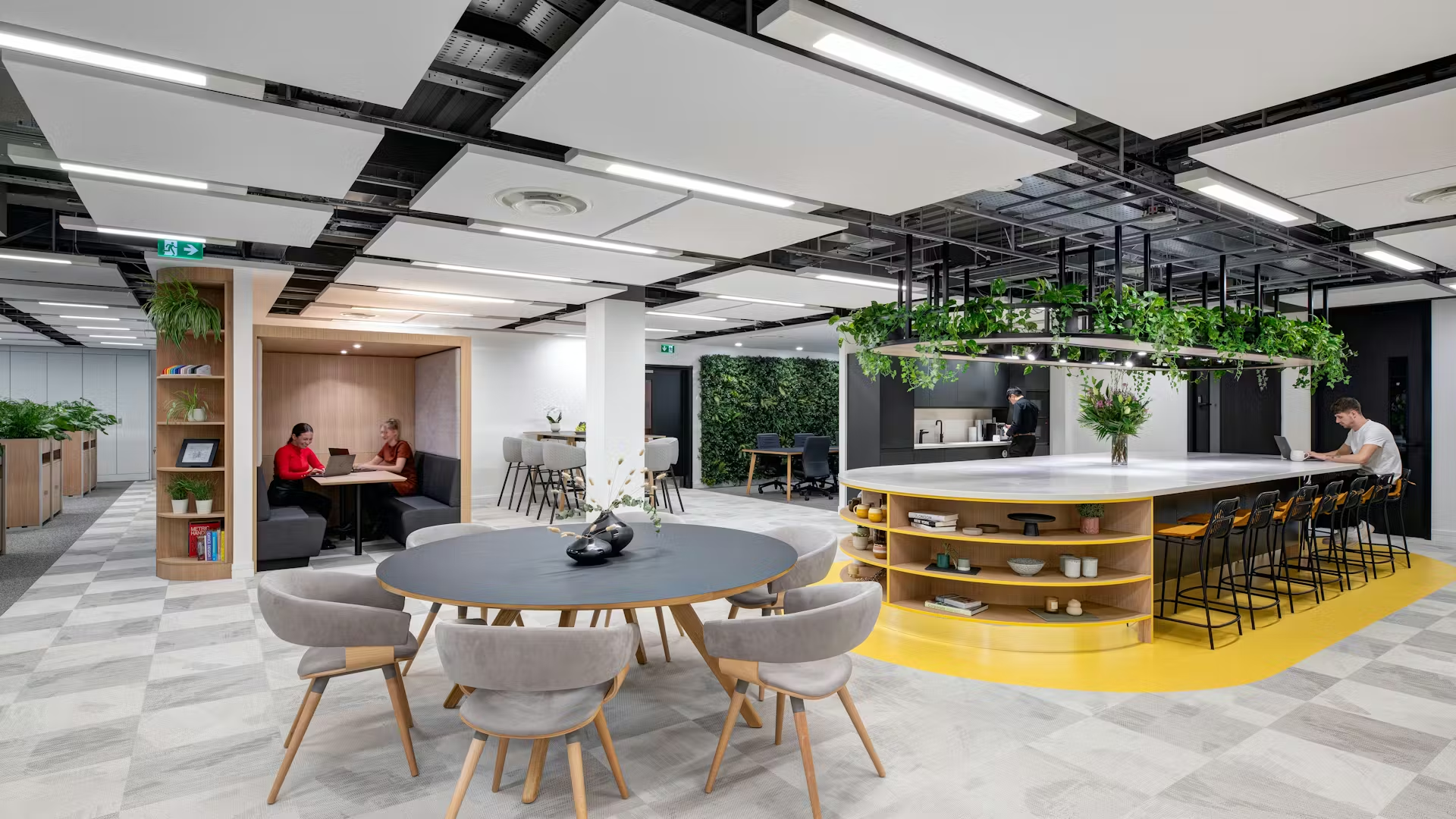
Creating an accessible office design is more than just compliance, it’s about fostering a workplace where every individual, regardless of physical ability or sensory needs, can thrive. Whether it’s wheelchair access, ergonomic furniture, or sensory-friendly spaces, an accessible office promotes inclusivity and productivity. As businesses shift towards more inclusive environments, accessible office design has become integral to workplace culture, employee wellbeing and overall productivity.
What is Accessible Office Design and Why Does it Matter?
Accessible office design goes beyond simply meeting regulations; it focuses on creating environments where all employees feel valued. By incorporating elements like wheelchair-friendly layouts and sensory-friendly spaces, businesses ensure that everyone can work comfortably and effectively, regardless of their varying needs.
As more companies recognise the importance of fostering inclusive workplaces accessible design has become essential; t’s a reflection of a company’s commitment to valuing diversity, wellbeing, and the unique needs of its workforce. This, in turn, cultivates a positive work culture that encourages collaboration and drives innovation.
The Benefits of Accessible Offices
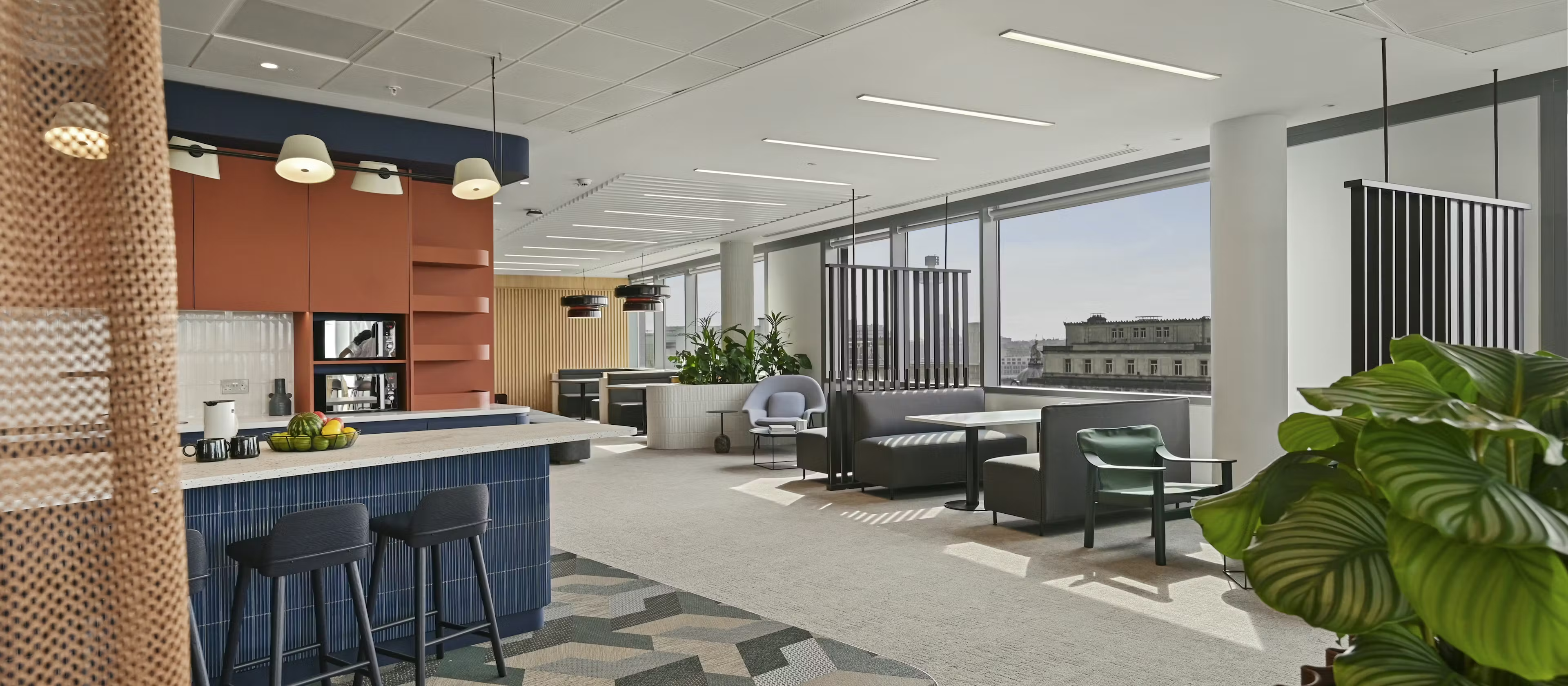
Fostering an inclusive office environment yields numerous benefits, not only for individual employees but also for the organisation as a whole.
- Improved Employee Wellbeing:
Accessible spaces reduce both physical and mental stress, allowing employees to feel more comfortable and valued in their work environment. For instance, things like wheelchair friendly layouts, and sensory-friendly lighting can make a huge difference in daily work life. When employees feel supported, their overall job satisfaction and wellbeing improve. - Increased Productivity:
Meeting physical and sensory needs enables employees to focus better and work more efficiently. When the office design minimises distractions, individuals can maintain concentration and continually deliver higher-quality work. - Attraction and Retention of Talent
An inclusive workplace attracts a diverse talent pool. Accessible offices communicate that a company is forward thinking and dedicated to supporting all employees, regardless of their needs. This commitment to inclusivity not only draws in talent but also helps retain it by ensuring employees feel valued and supported. - Better Business Performance
With limited distractions and a high team morale, companies will see improvements in employee engagement, creativity, and teamwork – these factors all contribute to employee successes and improved overall business performance.
Key Features of Accessible Design
Designing an accessible office involves various features to ensure the space caters to a range of physical and sensory needs:
1. Physical Accessibility
Creating an office that accommodates physical mobility is essential to ensuring all employees can move around comfortably and safely.
- Ergonomic Furniture: Height-adjustable desks, ergonomic chairs, and adaptable workstations ensure comfort for all body types.
- Barrier-Free Movement: Wide doorways, ramps, elevators, and clear paths allow for easy navigation, particularly for those using wheelchairs.
- Accessible Restrooms: Gender-neutral, wheelchair-friendly restrooms with elements like grab bars, ample space, and accessible sinks offer inclusivity for all.
- Universal Signage: Braille, tactile signs, and high-contrast visual markers help employees with visual impairments easily navigate around the office.
2. Neurodiversity and Sensory Accessibility
Offices designed with neurodiverse and sensory-sensitive individuals in mind foster a more inclusive environment by addressing varied sensory needs.
- Quiet Zones: Calm, quiet areas allow employees with sensory sensitivities to focus without distractions, promoting productivity and wellbeing.
- Lighting Control: Adjustable lighting, including dimmable and natural light options, helps reduce overstimulation and allows employees to customise their workspace for comfort.
- Colour Schemes: The power of colour is beyond a doubt – calming, neutral tones can reduce anxiety and create a more relaxed atmosphere, particularly for neurodiverse individuals who may be sensitive to bright or intense colours. Learn more about the impact of colour when designing offices for neurodiversity.
3. Technology and Adaptability
Incorporating adaptable technology into your office space ensures that all employees, regardless of ability, can seamlessly engage with their work and the workplace.
- Accessible Technology: Voice-activated controls, screen readers, and other assistive technologies allow employees with visual or physical impairments to work efficiently.
- Flexible Workspaces: Adaptable office areas that can be easily reconfigured allow teams and individuals to customise their environments to suit specific needs, promoting both comfort and productivity.
4. Acoustic Considerations
Acoustic design plays a crucial role in creating an accessible office environment, particularly for employees with sensory sensitivities or hearing impairments. Thoughtful sound management can significantly enhance comfort and productivity for everyone in the workspace.
- Noise Reduction: Poor acoustics can be a barrier for employees with sensory sensitivities or hearing impairments. Using sound-absorbing materials (eg. carpets, acoustic panels, and soft furniture) can minimise distractions and create a more inclusive work environment.
- Acoustic Zoning: Creating distinct areas for different types of work can help too – quiet zones for focused work and collaborative zones for group interactions. Proper zoning can help to accommodate employees with different sensory needs or work preferences.
- Assistive learning devices: Incorporate hearing loops and other assistive technologies in meeting rooms and common areas to ensure those with hearing impairments can participate fully.
How Accessibility Links to DEI & Neurodiversity
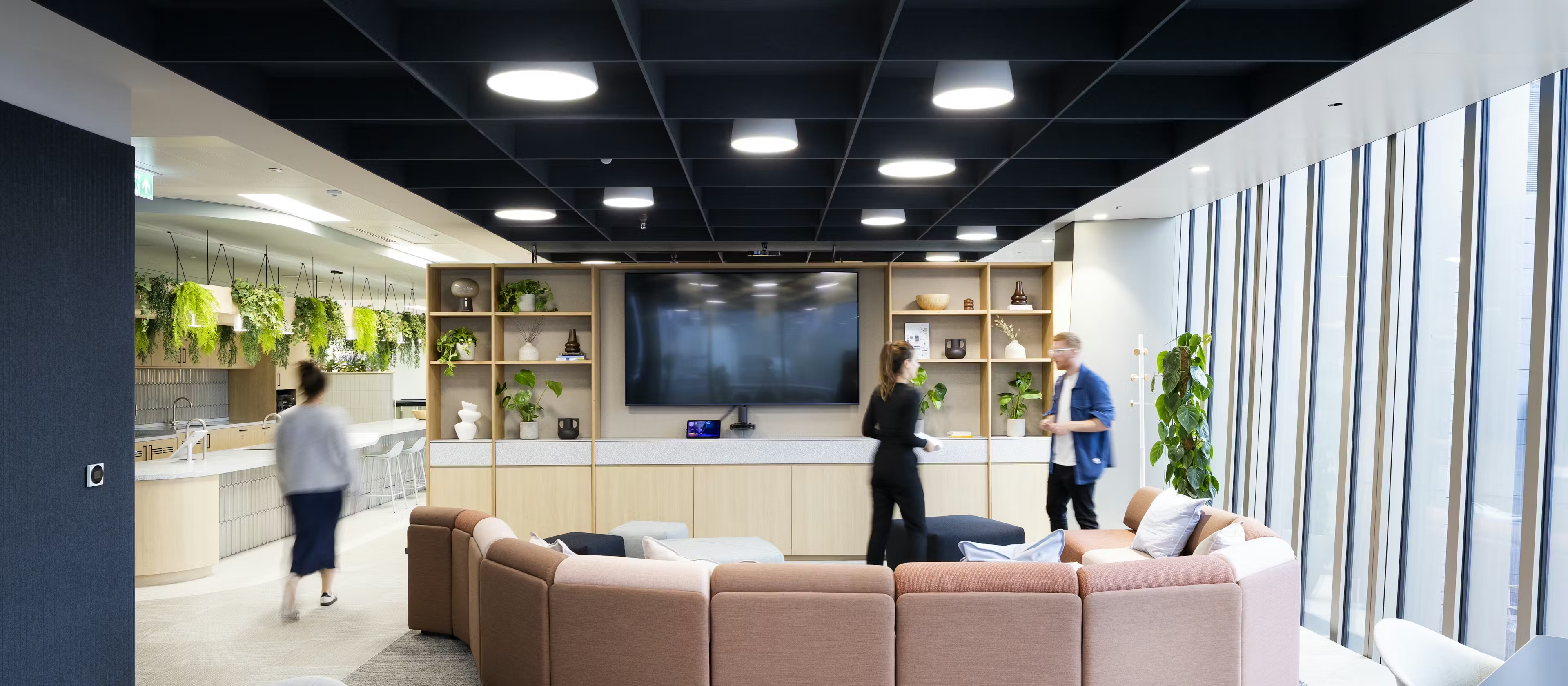
Accessible design plays a key role in promoting Diversity, Equity, and Inclusion (DEI) principles in the office It ensures that all employees, regardless of their physical or neurodiverse condition, feel they belong and can contribute fully to the workplace. For neurodiverse employees, accessibility includes designing for sensory needs can significantly enhance their comfort and productivity. Accessible design is a direct extension of a company’s efforts, fostering an environment that embraces and celebrates diversity.
Future Trends in Accessible Office Design
The future of accessible office design is focused on sensory-friendly spaces and inclusive technology. Offices are increasingly integrating features like soundproof pods, calming sensory rooms, and AI-driven tools to personalise work environments. As hybrid work models continue to gain traction, businesses are also extending accessibility efforts beyond the office, ensuring employees can work comfortably both at home and in-office environments.
DENTON, Creating Inclusive Workplaces for All
When prioritising accessibility, companies can help to foster a positive, productive, and diverse workplace culture. Whether you’re redesigning an office or building a new one, accessible design should be at the forefront of your plans.
Accessible office design is not a one-size-fits-all solution but a continuous process of improvement and adaptation. At DENTON, we understand the critical importance of creating accessible work environments that empower every employee. Our expertise in office design and build projects enables us to craft spaces that reflect inclusivity while supporting your company’s unique culture and goals.
Ready to transform your office into an inclusive and dynamic workspace? Get in touch with DENTON today to learn more about how we can help you create a truly accessible office space that stands as a testament to your commitment to equality and excellence.

With ten years of experience in the design and build industry, Ben is highly passionate about his work as an Interior Designer. Through creative collaboration, Ben has been involved in many of the pivotal jobs that have come through the door at DENTON. He has built lasting relationships with our clients to create innovative solutions for their space.
Have a project in mind?
- Experience
- Creativity
- Integrity
- Experience
- Creativity
- Integrity
- Experience
- Creativity
- Integrity
- Experience
- Creativity
- Integrity
- Experience
- Creativity
- Integrity
- Experience
- Creativity
- Integrity
- Experience
- Creativity
- Integrity
- Experience
- Creativity
- Integrity
- Experience
- Creativity
- Integrity
- Experience
- Creativity
- Integrity