Hot Desking – is it the future of office working? - DENTON
An expert review of hot desking in the office.
In the wake of the pandemic, it isn’t uncommon to find hot desking (or hot-desking) implemented in offices across the UK, but is it really the future of office working? While they obviously provide many benefits like a better use of space, there can be a downside if not implemented carefully. It can sometimes reduce an employee’s sense of belonging to your business and leave them feeling alienated – leading many not to want to be in the office at all.
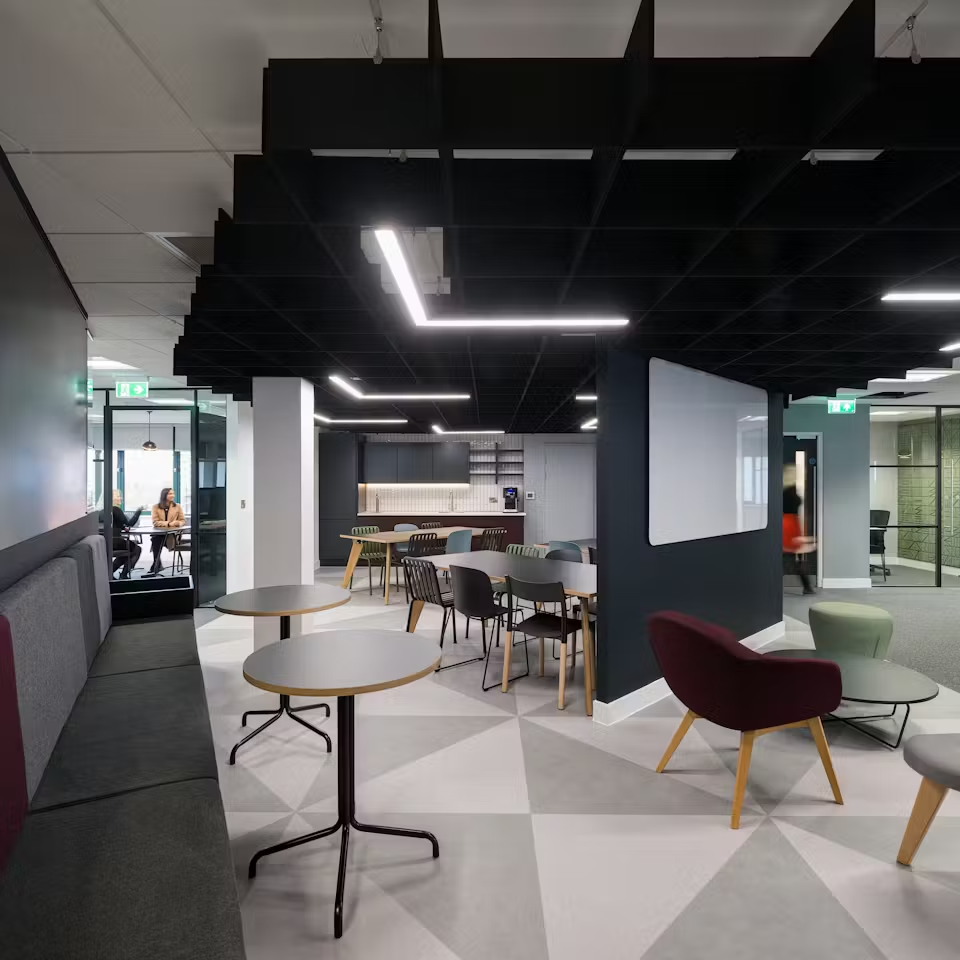
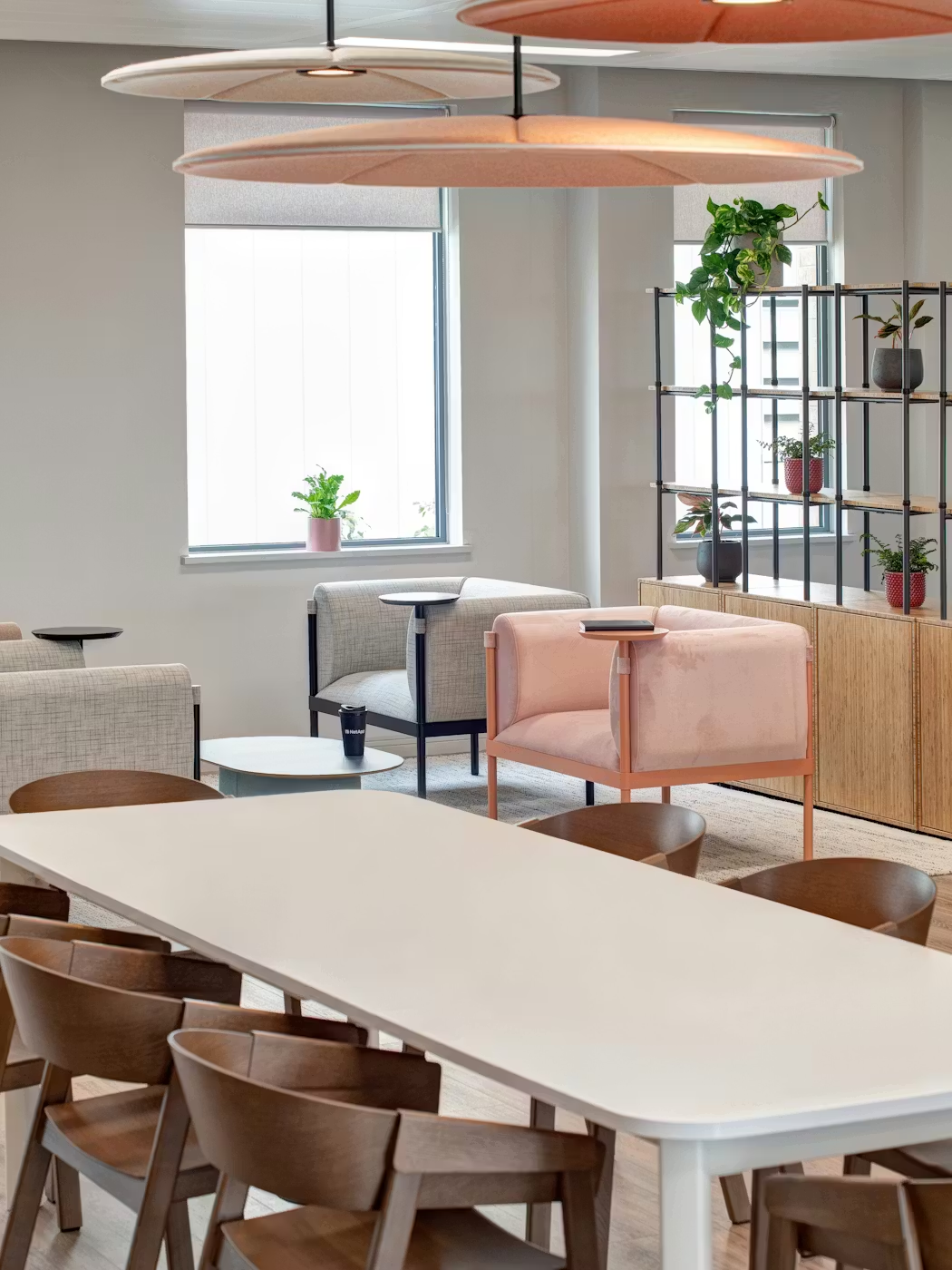
This doesn’t mean we don’t advise hot desking; it just means we recommend you recognise your team’s needs and effectively plan the space with the right information. DENTON can help provide a solution to keep both parties happy by providing a range of workspaces to give staff a choice of where they want to work in the office, providing a sense of belonging and autonomy of their work life balance throughout the day. This can include hot desk areas, along with larger collaborative zones and even dedicated quiet workspaces.
Contents:
1. What is hot desking?
2. The advantages and disadvantages of Hot desking
3. Tips for implementing hot desks in the workplace
4. The future of office working
5. DENTON, providing bespoke flexible spaces.
DENTON
What is hot desking?
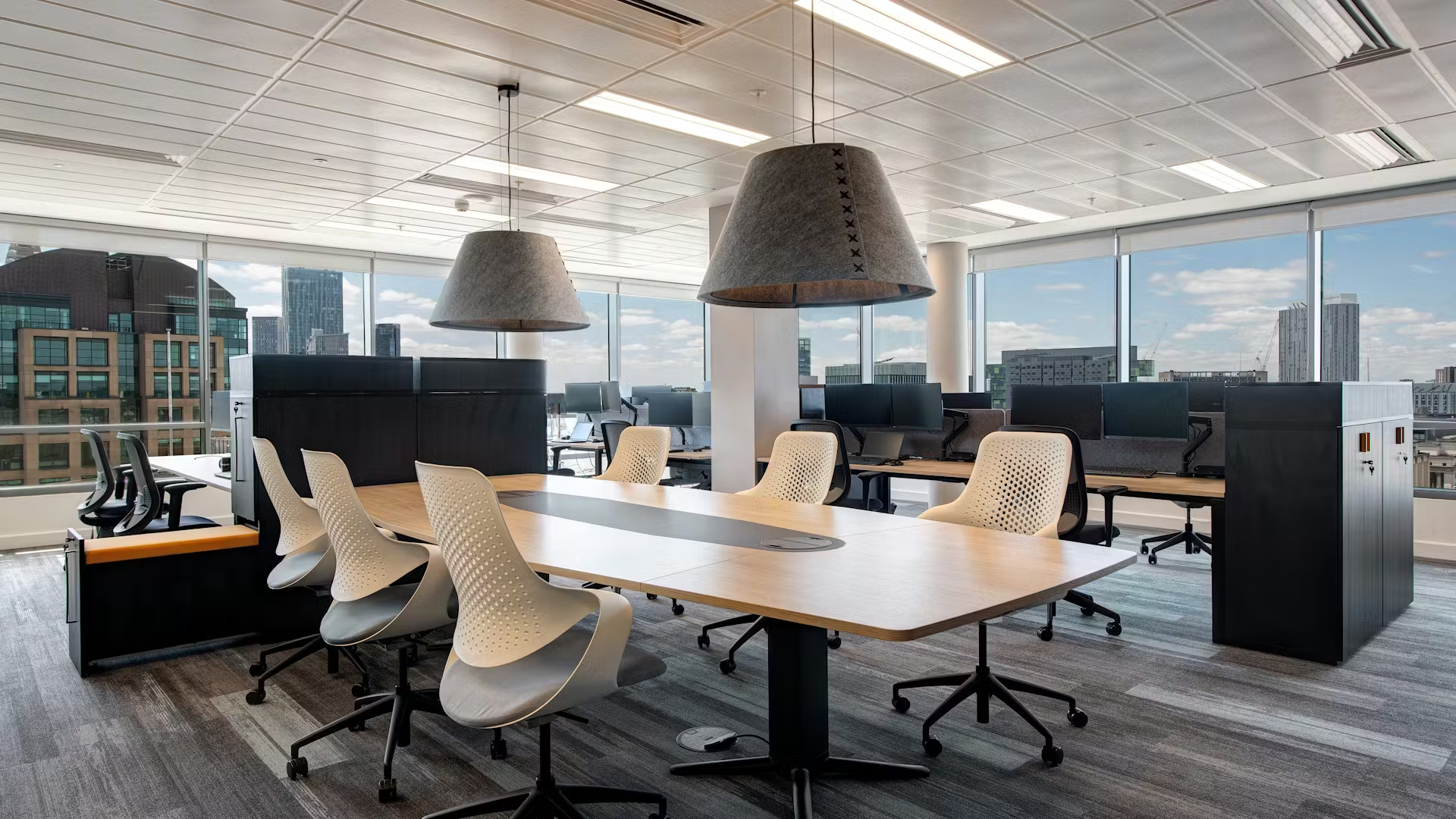
Hot desking, for those unfamiliar, is when desks are available for anyone to use or reserve rather than being allocated. It has been around for a while and pre-covid was often used to save office space by having part-time office workers sharing desks. It’s only logical that businesses would then implement all-round hot desking when many of us started hybrid working to save even more valuable space.
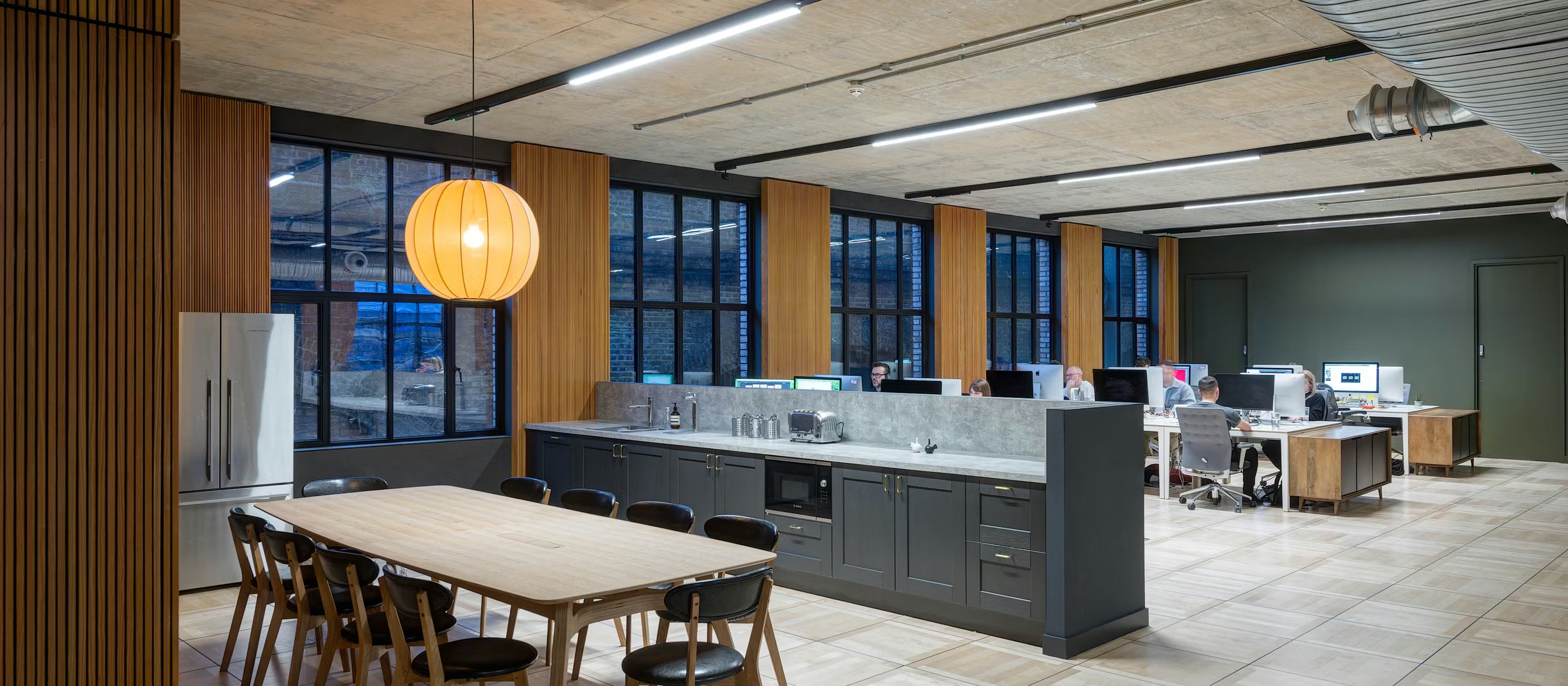
Office layout and space planning are essential to any workplace but is even more crucial with hot desking. If you remain in the same office but have freed up lots of space, what can you do with that space to make it more welcoming for your employees as well as more productive for your business? And if you have downsized offices and now only offer hot desks, how can you make the most of your smaller office space? Read on for expert insights and tips for successfully implementing hot desks into your office.
The advantages and disadvantages of Hot desking
While it’s not the easiest work style to implement, as it is highly dependent on how it is implemented in each workplace, it can be very effective. Therefore, it is important to review overall pros and cons before making any changes to your desk arrangements and allocations.
Advantages
- Maximises the use of your valuable office space – it is estimated up to 40% of an office’s available desk space is unused each day.
- Wider flexibility and choice for workers on when to come into the office and where to work.
- Improves performance and circulation of knowledge across the business as staff are sitting with people they would not usually work with or speak to.
Disadvantages
- Some employees just don’t want to hot desk, so only offering hot desks can be limiting and discourage people returning to the office.
- Some workers prefer to have their own workspace, somewhere they can create their own environment, home away from home.
- Working away from usual colleagues/friends can lead to feelings of alienation or distance from co-workers.
Additionally, collaboration is affected which can be a pro or a con depending on the business. However, by following the tips below and providing hot-desks along with other agile workspaces, you can boost collaboration and creativity.
Tips for implementing hot desks in the workplace
So, you’ve decided it’s for you, but how can you avoid having a negative impact on your employees? Here are our expert tips on how to do just that.
1. Create bespoke agile spaces suited to different tasks to allow for ownership in choosing the best workspace for each task.
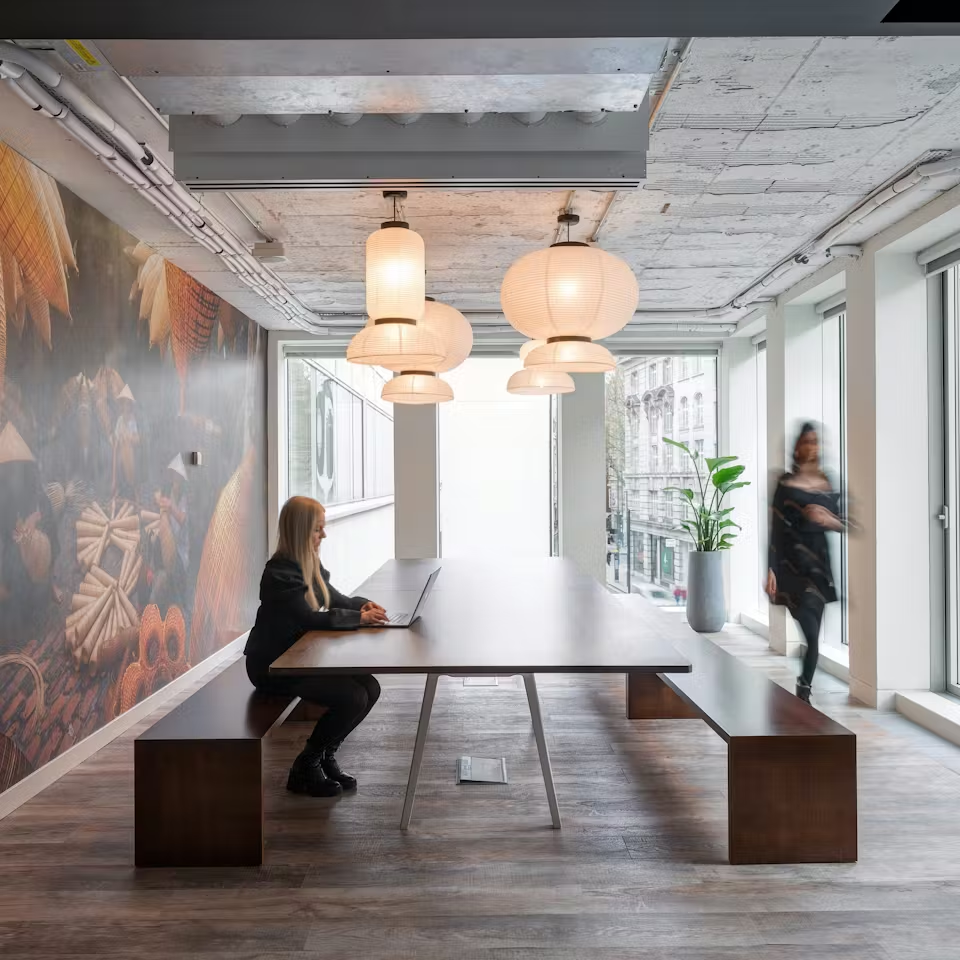
- Collaborative open spaces with digital screens and large tables
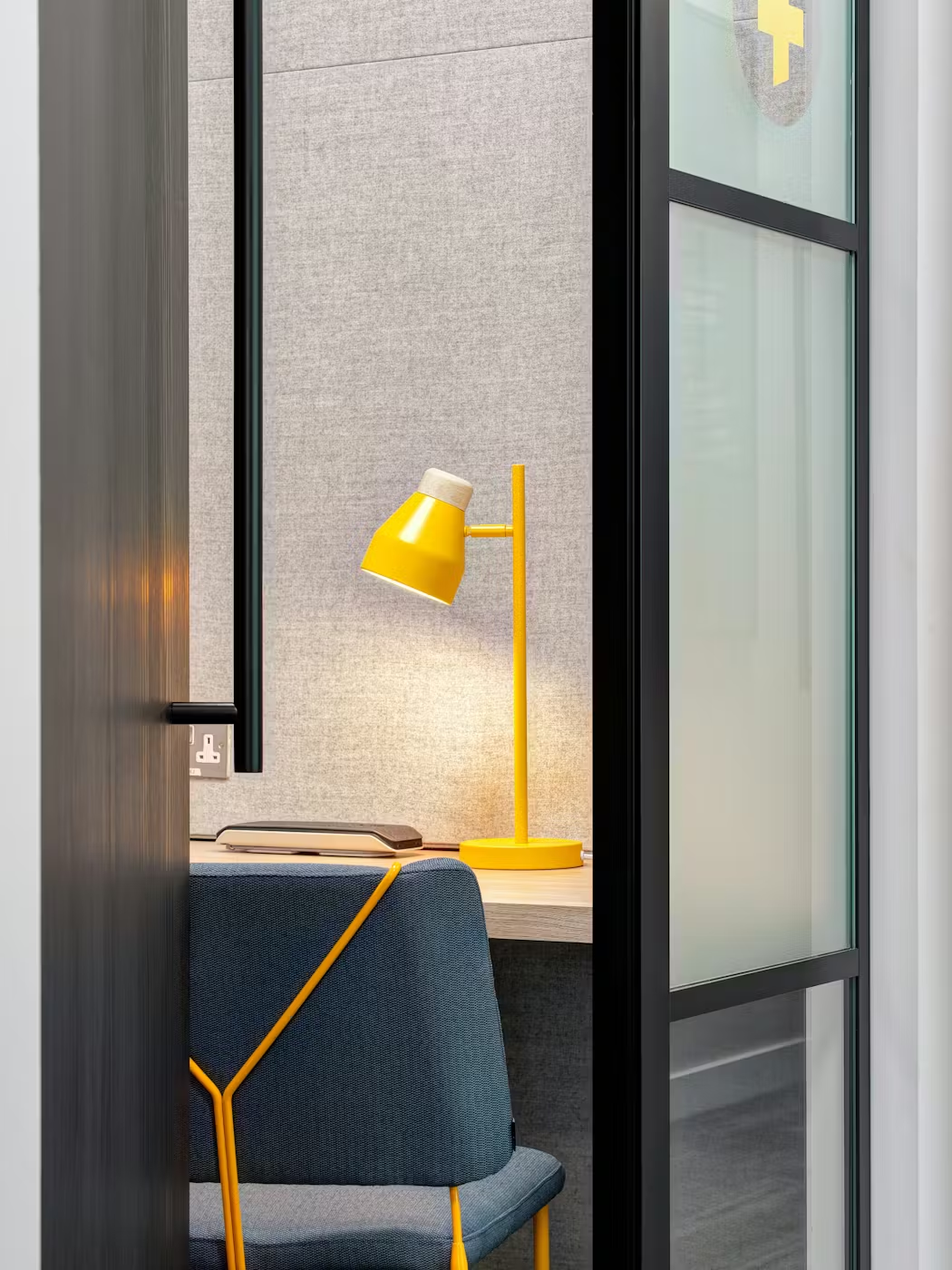
- Private spaces for focused or confidential work
- Breakout zones can double as entertaining areas or even for a quick group gathering
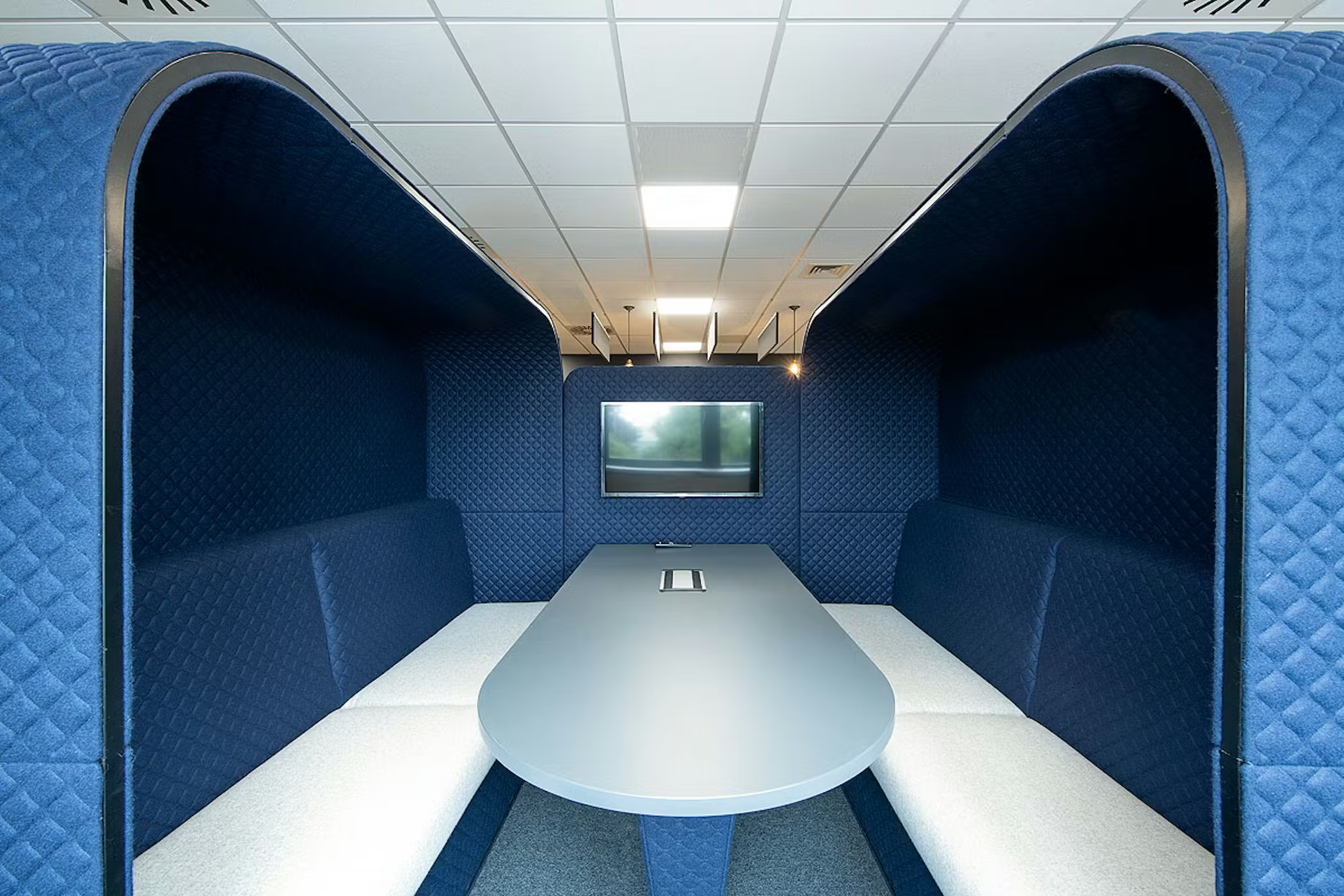
- Booths or work pods for smaller meetings or quick calls
2. Create a destination by designing a space where your workers want to come to both see their colleagues and find it easier to complete their tasks.
3. Make the process of booking each space seamless and make sure everyone is comfortable using it.
4. Provide people to support staff rather than just an IT helpdesk. Staff may be put off coming in if they run into technical issues and help isn’t readily available.
5. Provide visibility of what teams are in and who is sitting where. This helps the whole business plan the right type of location to do the type of work needed for the day, as well as meet with the right people. Scheduling team and department days in the office can further foster collaboration and team bonding.
6. Assure staff they are valued in the company and feel part of the team even when remote working. Creating a strong plan for the move back into the office and listening to the staff’s needs will provide this assurance too.
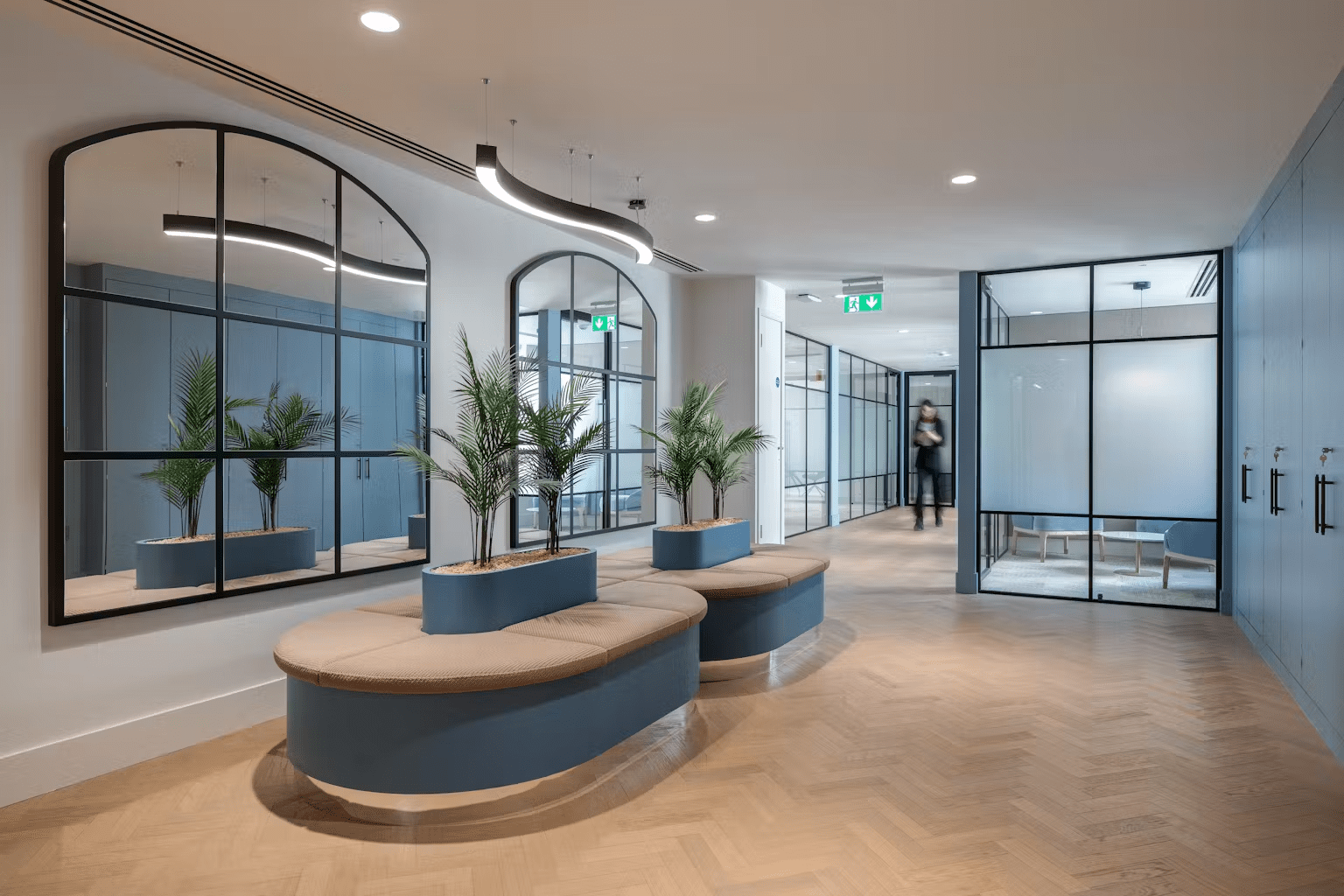
7. Carefully consider the floorplan – as we already said above, space planning is vital. Consider which areas are likely to be quiet and which are likely to produce more noise. Are acoustic solutions needed and do the team need to be situated next to a meeting room or collaboration space, or even the kitchen area to foster socialisation?
The future of the office workplace
So, are we going to see lots of hot desks in future office spaces? Probably. At least while hybrid working is still popular. Our top advice is to focus on offering choice and flexibility in space (which hot desks can be a part of) and, of course, to plan what will work for your business specifically. This leads to spaces being designed in the most productive and useful way for both employers and employees. A win-win!
DENTON, providing bespoke flexible spaces.
As the longest-established design and build company in London with offices throughout the UK, we’ve partnered up with businesses and organisations of all shapes and sizes to design and craft incredible, bespoke and flexible offices for a future-proof workplace.
Let’s work together. If you need help with your return-to-work plan, we can help. Drop our friendly, experienced team a line today.
With ten years of experience in the design and build industry, Ben is highly passionate about his work as an Interior Designer. Through creative collaboration, Ben has been involved in many of the pivotal jobs that have come through the door at DENTON. He has built lasting relationships with our clients to create innovative solutions for their space.
Have a project in mind?
- Experience
- Creativity
- Integrity
- Experience
- Creativity
- Integrity
- Experience
- Creativity
- Integrity
- Experience
- Creativity
- Integrity
- Experience
- Creativity
- Integrity
- Experience
- Creativity
- Integrity
- Experience
- Creativity
- Integrity
- Experience
- Creativity
- Integrity
- Experience
- Creativity
- Integrity
- Experience
- Creativity
- Integrity