DENTON
Incorporating Technology
Incorporating technology into the workplace is essential for modern communication strategies, facilitating seamless collaboration and connectivity across teams. Integrated communication tools, such as messaging platforms and video conferencing systems, transcend geographical boundaries, allowing employees to communicate effortlessly regardless of their physical location. By embracing these tools, organisations can break down barriers to collaboration, enabling remote and in-house teams to work together efficiently and effectively.
However, the true potential of technology in enhancing workplace communication lies in the concept of a Smart Office. A Smart Office leverages advanced automation and IoT (Internet of Things) devices to create a connected and intelligent workspace environment. These technologies streamline workflows, automate repetitive tasks, and provide valuable insights into workplace dynamics, fostering a culture of continuous collaboration and innovation.
One aspect of a Smart Office is the integration of smart sensors and devices throughout the workspace. These IoT devices collect data on various aspects of the workplace environment, such as occupancy levels, temperature, and lighting conditions. By analysing this data, organisations can optimise workspace utilisation, improve energy efficiency, and create a more comfortable and productive work environment for employees. Furthermore, automation plays a crucial role in a Smart Office environment. Automated workflows and processes streamline repetitive tasks, freeing up employees’ time to focus on more meaningful work. For example, automated scheduling systems can coordinate meetings and appointments seamlessly, ensuring efficient use of time and resources.
Ergonomics and Comfort
Ergonomic design is essential for promoting employee well-being and productivity in the workplace. Beyond aesthetics, it involves providing comfortable seating, adjustable desks, and proper lighting to create a workspace conducive to communication and collaboration. Recognising neurodiversity alongside ergonomics ensures inclusive design accommodating diverse needs to foster an environment where every individual can thrive. By adhering to ergonomic principles, organisations can mitigate the risk of work-related injuries, improve morale, and enhance productivity.
To establish an excellently ergonomic working routine, organisations can implement various strategies and practices. This includes investing in ergonomic furniture and accessories, promoting healthy work habits, and creating dedicated workspaces both in the office and at home. Encouraging proper posture, optimising lighting, and minimising distractions also contribute to a workspace that prioritises employee comfort, well-being, and productivity, ultimately leading to a more engaged and satisfied workforce.

Personalisation and Flexibility
Empowering employees to personalise their workspace fosters a sense of ownership and boosts morale. Whether it’s adjustable desks, customisable workstations, or ergonomic seating options, providing choices enables individuals to tailor their environment to suit their preferences and work styles. Flexible office design takes it a step further, allowing for easy reconfiguration to accommodate changing communication dynamics, ensuring the workspace remains adaptable to evolving needs.
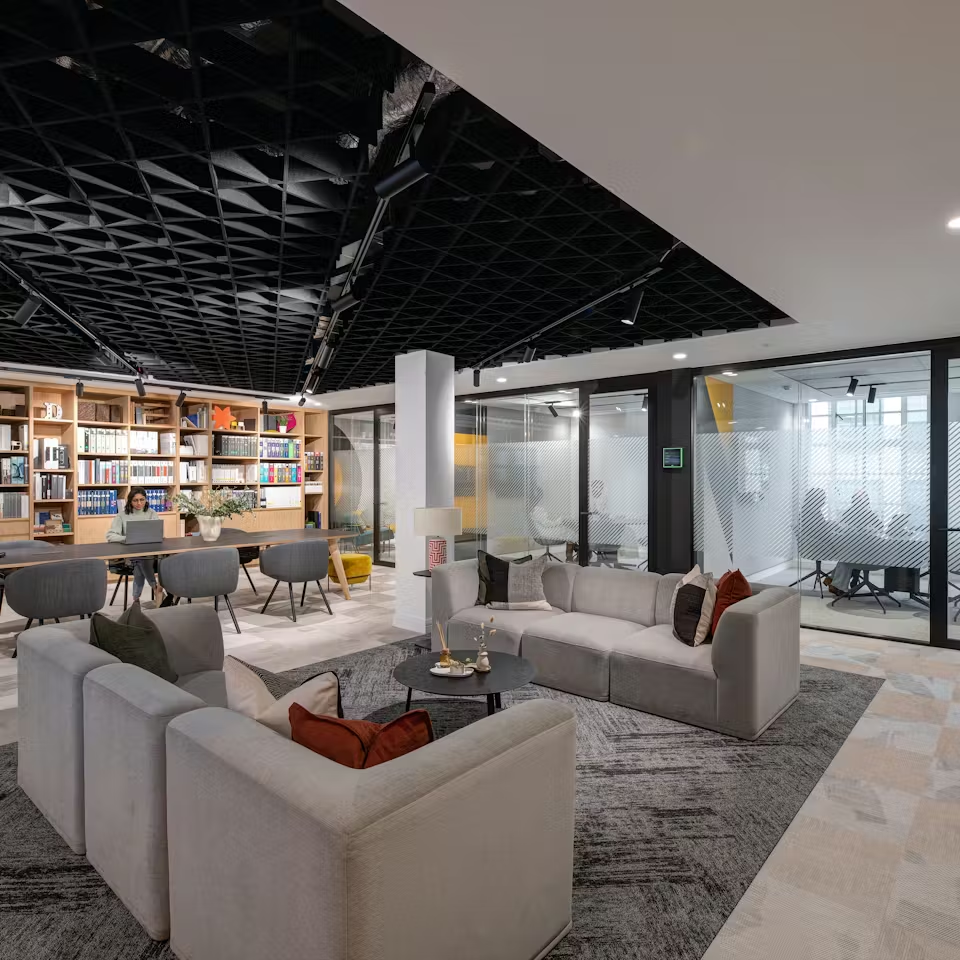
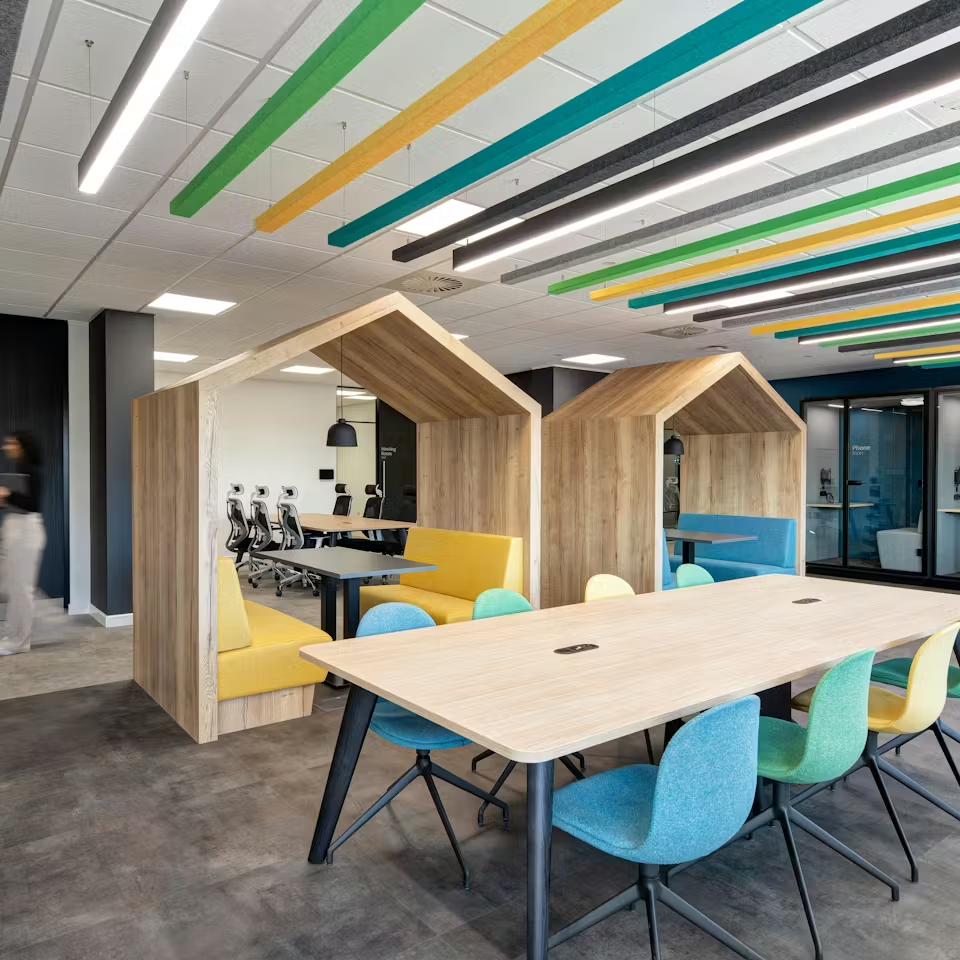
For example, designated collaboration zones equipped with flexible seating arrangements, writable walls, and integrated technology encourage teamwork and idea-sharing among employees. These zones can be easily adapted for different types of interactions, such as brainstorming sessions, team meetings, or informal discussions, ensuring that the workspace remains dynamic and conducive to collaboration and open communication. Additionally, incorporating breakout areas or quiet zones provides employees with alternative spaces for focused work or relaxation, promoting productivity and wellbeing in the office environment.
Cultural Considerations
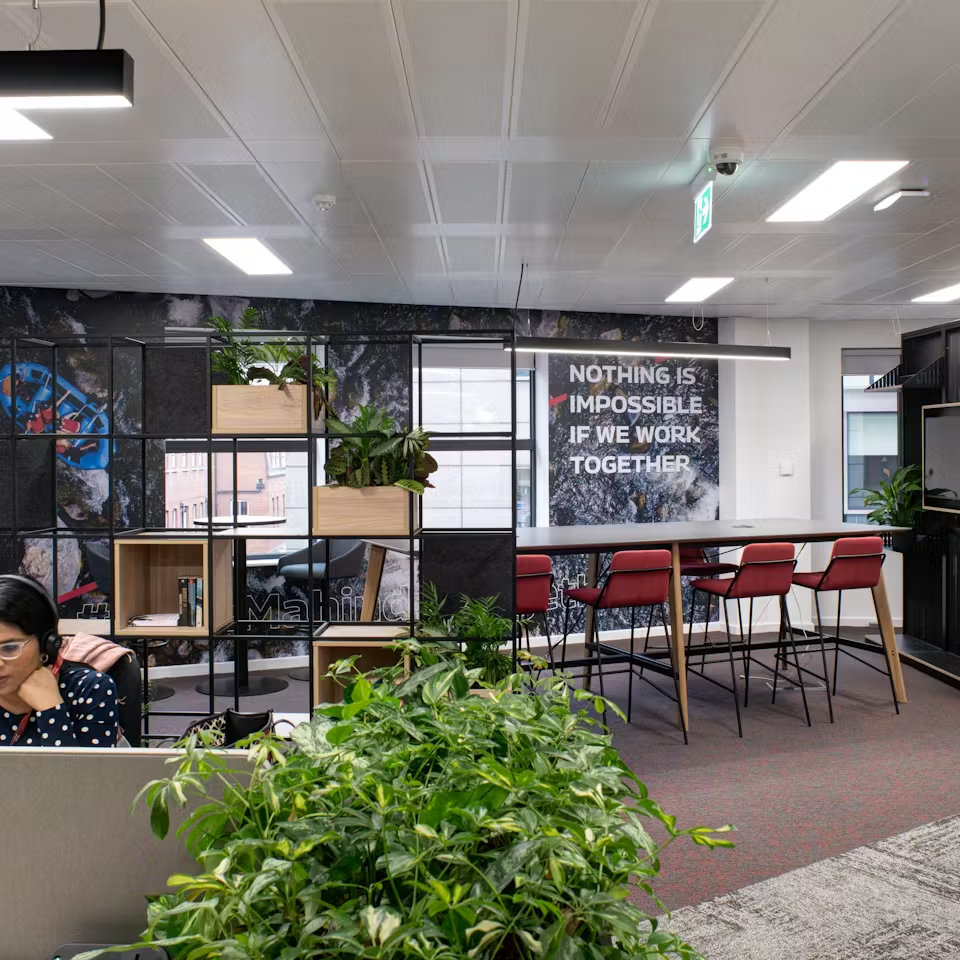
Cultural considerations play a crucial role in shaping the office environment and fostering a sense of belonging among employees. One way to action this through office design is by creating collaborative hubs that reflect and reinforce the organisation’s cultural values of teamwork and collaboration. These hubs can be designed with open layouts, comfortable seating, and interactive technology to encourage spontaneous interactions and idea-sharing among team members.
Providing opportunities for employee input and feedback in the office design process ensures that cultural considerations are integrated effectively. Conducting surveys or focus groups to gather insights on preferred work styles, communication preferences, and cultural norms can inform design decisions and create a workspace that resonates with employees on a cultural level.

DENTON, experts in workplace communication
Successful office design transcends aesthetics; it serves as a catalyst for effective workplace communication. By prioritising collaboration, comfort, and technology integration, organisations can empower their teams to communicate seamlessly and unlock their full potential. At DENTON we understand the intricacies of modern workplaces and offer innovative design solutions that redefine traditional office landscapes, addressing challenges with creativity and foresight. Contact our experienced team today to embark on a transformative office design journey that prioritises communication, collaboration, and employee wellbeing.
Drop our friendly, experienced team a line today and let’s start a project together. Or browse DENTON’s services to see what other projects we can help you with.

With ten years of experience in the design and build industry, Ben is highly passionate about his work as an Interior Designer. Through creative collaboration, Ben has been involved in many of the pivotal jobs that have come through the door at DENTON. He has built lasting relationships with our clients to create innovative solutions for their space.
Have a project in mind?