Creating Dynamic Work Environments: Designing Offices for Movement - DENTON
What is a Dynamic Work Environment & Why Does it Matter?
A dynamic work environment is an adaptive, movement-focused space designed to support various work activities while promoting health, productivity, and collaboration. Unlike traditional static office setups, dynamic workspaces are crafted to accommodate the diverse needs of modern teams, emphasising movement and agile working throughout the workday.
As the role of the office continues to evolve, companies are rethinking their designs to better support physical activity, flexibility and overall employee engagement. Research shows that 78% of office workers feel they spend too much time sitting, with 62% worried about its negative impact on their health. Additionally, dynamic organisations are 5 times more likely to be recognised as great places to work. By intentionally designing work environments that prioritise movement – whether through walkable layouts, active work zones, or social spaces – your office helps prevent the negative effects of prolonged sitting, fosters creativity, and enhances employee wellbeing.
Here, we explore some key design principles to consider when designing your office for movement, and share the many benefits of doing so.
Design Principles for a Movement-Friendly Office
Creating Thoughtful Zones for Different Activities
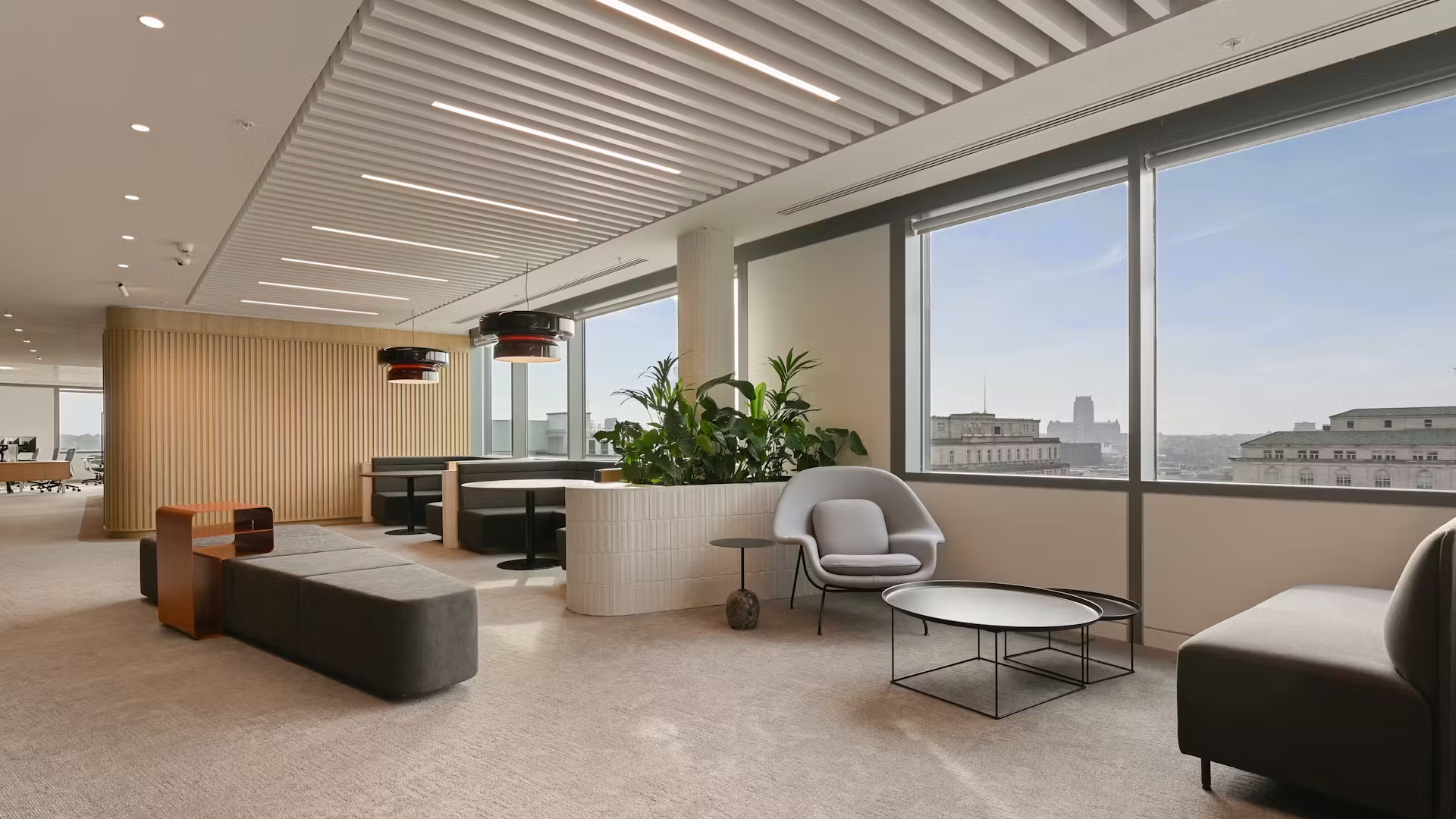
A movement-friendly office starts by designing distinct ‘neighbourhoods’ that cater to various tasks. This thoughtful zoning encourages employees to move around and select spaces that cater to their individual needs.
- Collaborative Areas: These open, flexible spaces are suited for brainstorming sessions and team collaboration. By encouraging employees to gather in these zones, companies can foster creativity and teamwork.
- Quiet Zones: Ideal for deep focus and individual work, these areas are often secluded or soundproofed to minimise distractions, helping employees remain fully focused on complex tasks.
- Active Zones: Designed to keep employees physically engaged, these areas include standing desks, open spaces, and flexible seating options. They encourage movement through standing meetings, walking discussions, or simply allowing employees to shift workstations.
- Social and Communal Spaces: Including areas like coffee stations and breakout spaces provides employees with inviting spots to unwind, recharge, and connect with colleagues. These communal spaces encourage movement as employees naturally gravitate toward them for breaks, fostering both social interaction and a more dynamic office flow.
Integrating Sit-Stand Desks and Adjustable Seating
Adjustable seating options, such as ergonomic chairs with customisable height lumbar support, and armrests, enable employees to optimise their workspace for comfort:
- Personalised Support: If employees can tailor their seating to their unique body types and needs, this reduces discomfort and the risk or repetitive strain injuries.
- Encouraging Dynamic Sitting: Chairs that offer adjustable positions promote “active sitting,” where employees can shift postures throughout the day. This flexibility helps alleviate chronic issues like back pain by allowing the body to move naturally and preventing prolonged static postures.
- Increased Flexibility: By providing a variety of seating options, companies can accommodate employees’ preferences, whether they need upright chairs for focused tasks or relaxed seating for brainstorming sessions – encouraging movement between the two.
For a real-world example, take a look at our Freeths case study, where we incorporated a diverse range of seating options and adjustable desk chairs to support employee comfort and encourage movement throughout the workspace.
Leveraging Technology to Optimise Movement
Modern technology can transform a static office into a dynamic, movement-friendly space:
- Resource Booking Systems: These systems allow employees to reserve different workspaces, encouraging them to explore new areas. By rotating between various zones, employees stay engaged and avoid staying seated for too long.
- Automated Lighting and Temperature Controls: Smart systems can adjust lighting and temperature based on occupancy, prompting employees to move to more comfortable areas. This not only optimises energy use but also encourages people to get up and shift locations.
- Activity Reminders: Using apps or office-wide alerts that remind employees to take short breaks, stretch, or change their work location throughout the day.
By integrating these technologies, companies can create a more flexible and engaging office environment that encourages natural movement.
Check out our Evergreen case study, where private meeting and phone rooms are equipped with seamless booking systems to enhance flexibility and productivity.
Layouts That Promote Natural Flow
Well-designed spaces with a carefully considered office layouts and clear walking paths make it easy for employees to navigate and encourages them to move around:
- Strategic Placement: Positioning workstations away from high-traffic areas like meeting rooms, break rooms, and coffee stations naturally encourages walking and physical activity as employees move between zones.
- Connecting Zones: Creating open layouts that seamlessly connect collaborative spaces, quiet areas, and social hubs encourages employees to freely explore different zones, fostering both interaction and physical movement.
By designing offices with intuitive flow, companies can create environments that keep employees active and engaged.
Using Visual Design Cues to Encourage Exploration
Visual elements can subtly guide employees to explore different areas of the office, promoting movement and engagement:
- Colour Zones: Use bright, inviting colours in communal areas to attract employees, while softer tones in quiet zones signal spaces for focus and concentration. Learn more about the impact of colour in office design.
- Strategic Lighting: Highlight pathways and key areas with lighting to naturally draw people to move through the space. For example, brighter lighting in collaborative zones can create a lively atmosphere, while softer lighting in focus areas helps reduce eye strain.
- Clear Signage: Use clear, attractive signage to guide employees toward various zones. This not only helps them navigate the office but also encourages them to discover new spaces for work, relaxation, or collaboration.
By using these visual cues, companies can create an engaging and dynamic office environment that naturally encourages movement and exploration.
The Benefits of Designing Offices for Movement
Physical and Mental Health Benefits
Encouraging movement in the workplace improves both physical and mental wellbeing by reducing prolonged sitting, helping to alleviate fatigue, enhancing circulation, and reducing the risk of issues such as back pain. All these benefits help employees stay focused throughout the day.
Movement-friendly spaces also benefit mental health by offering flexibility. Allowing employees to switch between various working zones – whether for focused work, collaboration, or relaxation – provides a sense of autonomy, reducing overall stress and enhancing creativity.
Enhanced Collaboration and Social Interaction
Movement-focused office designs encourage employees to step away from their desks by incorporating open spaces and shared lounges. These areas promote walking, exploration, and spontaneous interactions, which strengthen team bonds and drive further collaboration. Informal conversations in these spaces not only enhance teamwork but also foster a positive workplace culture, boosting morale and sustaining employee engagement.
Increased Productivity and Job Satisfaction
A movement-friendly workplace empowers employees to choose where and how they work. This flexibility allows employees to align their environment with their needs, boosting both efficiency and job satisfaction. By supporting diverse work styles, the workplace fosters a sense of autonomy, leading to happier and more productive teams.
Examples of Dynamic Work Environments by DENTON
MUFG: A Responsive and Agile Workspace
MUFG’s newly redesigned office is a prime example of a dynamic workspace that promotes flexibility, movement, and employee engagement. The design integrates diverse zones that encourage staff to shift between various activities throughout their day, supporting both collaboration and focused work.
Key features include:
- “Neighbourhoods” for Activity-Based Working: The office is divided into specific zones tailored for collaborative discussions, quiet focus work, and active engagement. By encouraging employees to move between these distinct areas, MUFG has created an environment where people can easily switch from individual tasks to teamwork, promoting natural movement and reducing prolonged sitting.
- Feature Reception Meeting Booths: Strategically placed meeting booths near the reception area encourage movement and spontaneous conversations as employees transition through the office. These booths provide a blend of privacy and openness, drawing people to shift from their desks to more dynamic settings.
- Flexible Breakout Spaces: The integration of soft seating and versatile breakout spaces allows employees to step away from their desks and engage in informal meetings or agile working sessions. This design encourages walking throughout the office, fostering a more dynamic flow and interaction among staff.
By implementing these design features, MUFG has successfully created a responsive workspace that encourages movement, collaboration, and improves employee wellbeing.
Aegon: Encouraging Movement and Navigation
Aegon’s office leverages a strategic layout to promote movement and flexibility, creating a dynamic environment that enhances both productivity and employee wellbeing.
Key features include:
- Walkable Layouts: Clear pathways connect various zones, encouraging employees to move throughout the office. This design supports natural movement and helps employees stay active during the workday.
- Agile Workspaces: Touchdown areas, focus booths, and meeting pods are strategically positioned to encourage employees to explore different zones. This flexibility allows employees to select the most suitable workspace for their current tasks, enhancing productivity.
- Intuitive Navigation: The layout thoughtfully arranges meeting rooms, social areas, and quiet zones to create an intuitive flow. This design approach naturally guides employees through the space, encouraging exploration and engagement throughout the day.
Aegon’s office design exemplifies how a well-planned layout can foster movement, flexibility, and collaboration, resulting in a more dynamic and engaging work environment.
DENTON: Creating Dynamic Workspaces
At DENTON, we recognise that creating a movement-friendly workspace is essential for enhancing employee wellbeing, engagement, and productivity. By designing offices that prioritise movement through thoughtful layouts, ergonomic furniture, and strategic amenities, companies can foster a healthier, more dynamic and inclusive workplace. This not only benefits employees but also drives better performance and business outcomes.
Are you ready to transform your office into a movement-friendly environment? Contact our team of experts today.

With ten years of experience in the design and build industry, Ben is highly passionate about his work as an Interior Designer. Through creative collaboration, Ben has been involved in many of the pivotal jobs that have come through the door at DENTON. He has built lasting relationships with our clients to create innovative solutions for their space.
Have a project in mind?
- Experience
- Creativity
- Integrity
- Experience
- Creativity
- Integrity
- Experience
- Creativity
- Integrity
- Experience
- Creativity
- Integrity
- Experience
- Creativity
- Integrity
- Experience
- Creativity
- Integrity
- Experience
- Creativity
- Integrity
- Experience
- Creativity
- Integrity
- Experience
- Creativity
- Integrity
- Experience
- Creativity
- Integrity