Common Office Design Problems and How to Solve Them - Denton
Reaping the benefits of addressing common office issues
Office design plays a pivotal role in shaping employees’ productivity, collaboration, and overall well-being. Minor issues can become more challenging if not addressed quickly. In this article, we explore some common office problems and present innovative office design solutions to create a harmonious and efficient workspace. We also discuss the benefits of addressing these issues and share some predictions for future concerns that may arise.
Contents:
DENTON
Open Office Designs
Open office designs were a big trend throughout the 2000s. However, these offices aren’t always fit for purpose in an evolving work environment. Agile and hybrid workspaces are more readily desired, as open office spaces bring their own set of issues.
Noise Pollution
Open offices became a popular office design choice amongst many corporations due to the promotion of collaborative work, boosting team morale and encouraging communication between employees. Although open offices can improve creativity, they can also cause noise-related distractions.
Problem: The trend towards open office layouts can increase noise levels, disrupting concentration and productivity when collaboration is not required.
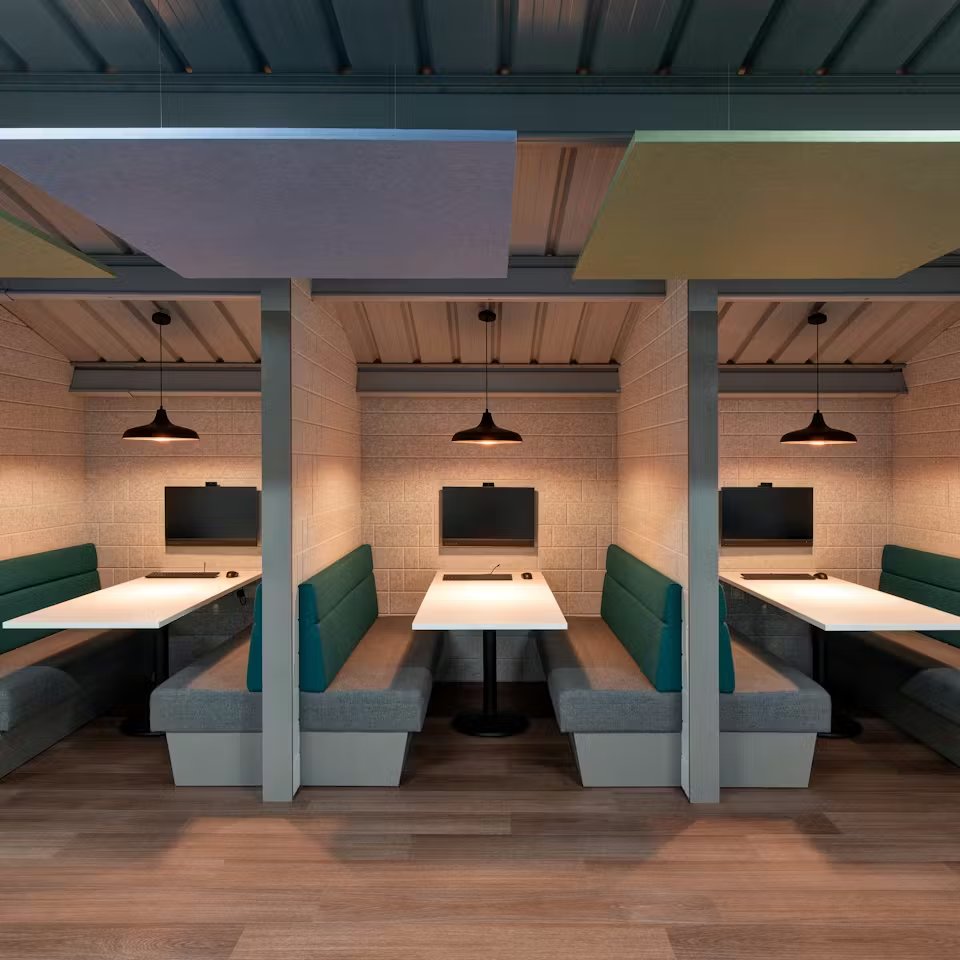
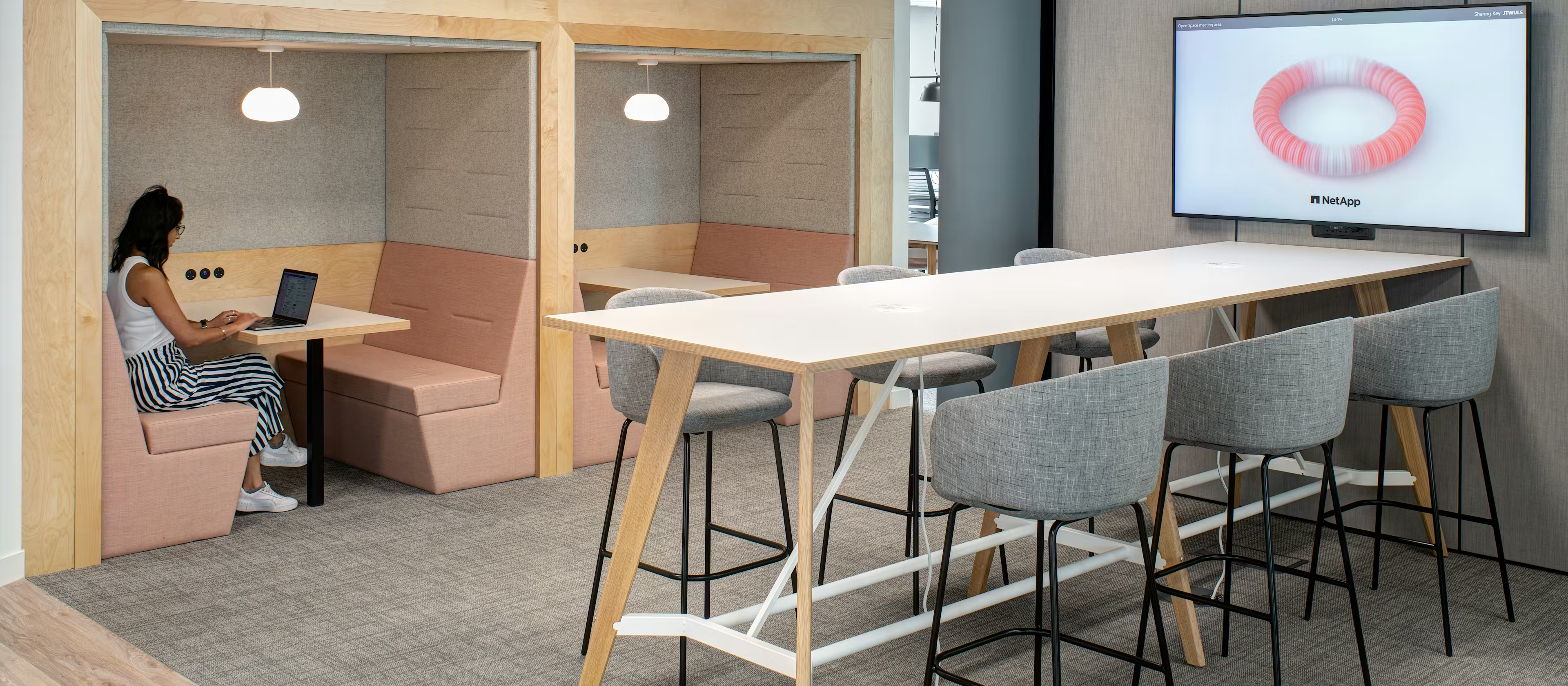
Solution: A way to avoid noise pollution is to introduce designated quiet zones and incorporate soundproof booths for those attending team meetings or simply needing some silence to complete detailed tasks. Another consideration is noise-cancelling solutions technologies to mitigate distractions and provide employees with focused work environments.
Lack of Privacy
Open offices tend to minimise employees’ privacy, and they can feel as if they’re constantly being monitored. This causes workers to be excessively vigilant, resulting in a lack of productivity as they are too focused on what is happening around them.
Problem: Open spaces sometimes compromise individual privacy, impacting tasks that require concentration or confidentiality.
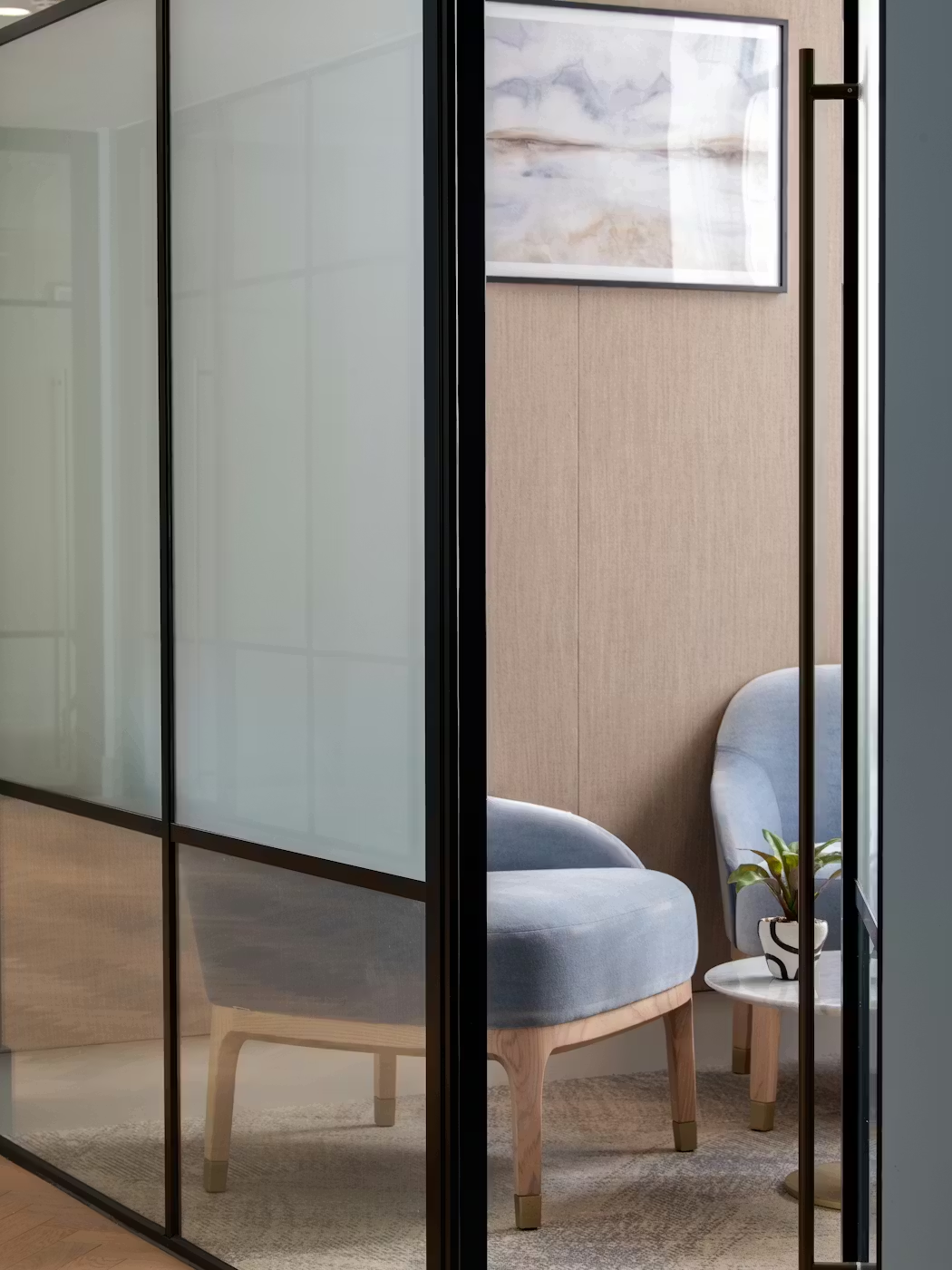
Solution:To reduce employees experiencing a lack of privacy, try incorporating flexible workstations, private pods, or movable screens, which allow employees to balance the need for collaboration with moments of focused, private work.
Poor Lighting
Lighting your office insufficiently can be challenging with an ample open space. It’s safe to say natural lighting is the best form, although this is not always possible due to buildings and the location of your office. However, there are things that can be done to prevent the lighting from affecting the well-being of employees.
Problem: Inadequate lighting can cause eye strain fatigue; on the other hand, too much light can also cause “glare” headaches and stress, decreasing a person’s overall well-being.
Solution: Optimise natural light exposure, invest in adjustable lighting systems, and incorporate a mix of ambient, task, and accent lighting to create a well-lit and comfortable environment.
Office Layouts
How your office space is laid out can have a huge impact on employees’ productivity. Having an office layout that accommodates all work types can ensure projects get completed at their highest standard.
Inefficient Layouts
Different layouts work for different people; for example, some employees are most productive when collaborating with others. Therefore, an open-plan office design would suit this type of employee the best. However, some employees are most productive in quiet spaces with minimal distractions, so having an office design that caters for all employees is crucial.
Problem: A poorly planned layout can hinder workflow and effective communication, ultimately lowering well-being and productivity.
Solution: Conduct a thorough office space analysis to discover what space is needed, as well as desired by your employees. Involve your staff in the design process and implement an agile layout that adapts to the changing needs of the workforce.
Limited Collaboration Spaces
As collaboration spaces are a more modern style of office design, many businesses are still functioning under the traditional office designs. As we have moved away from conventional working methods, it’s important to incorporate designs that help employees be at their most productive state.
Problem: Lack of designated collaboration areas can hinder teamwork and creative thinking.
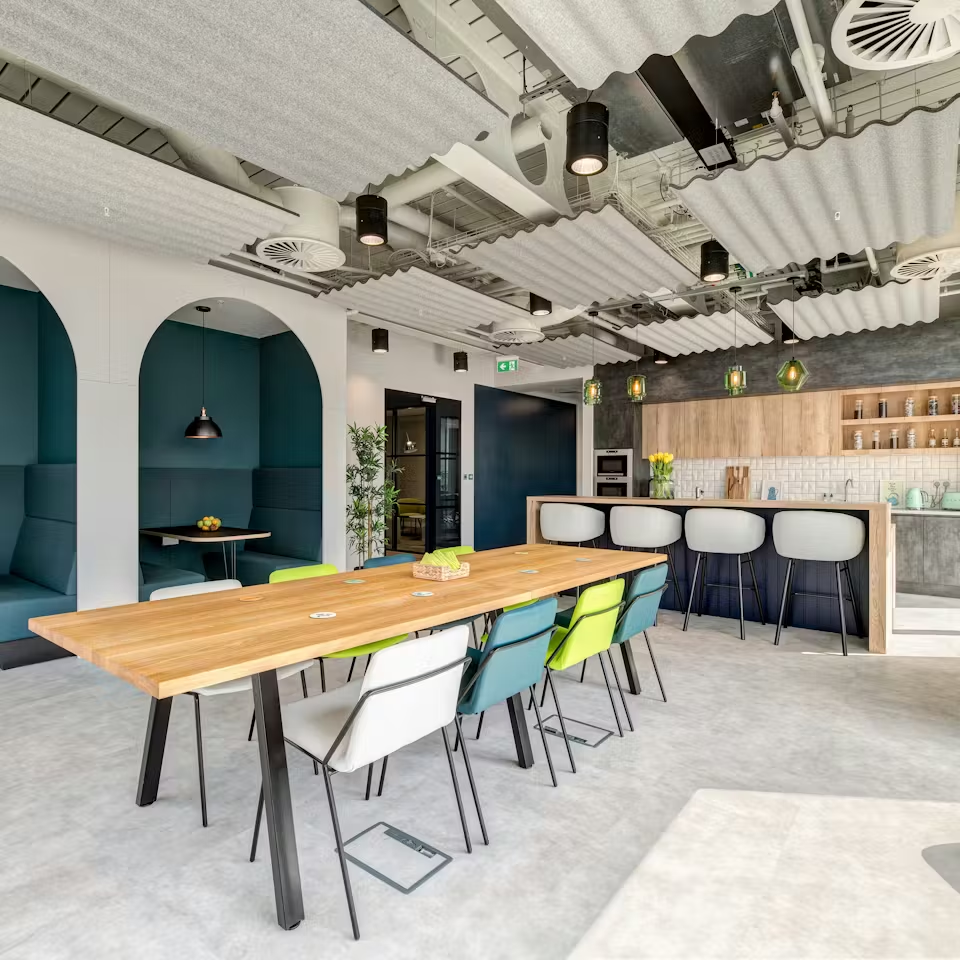
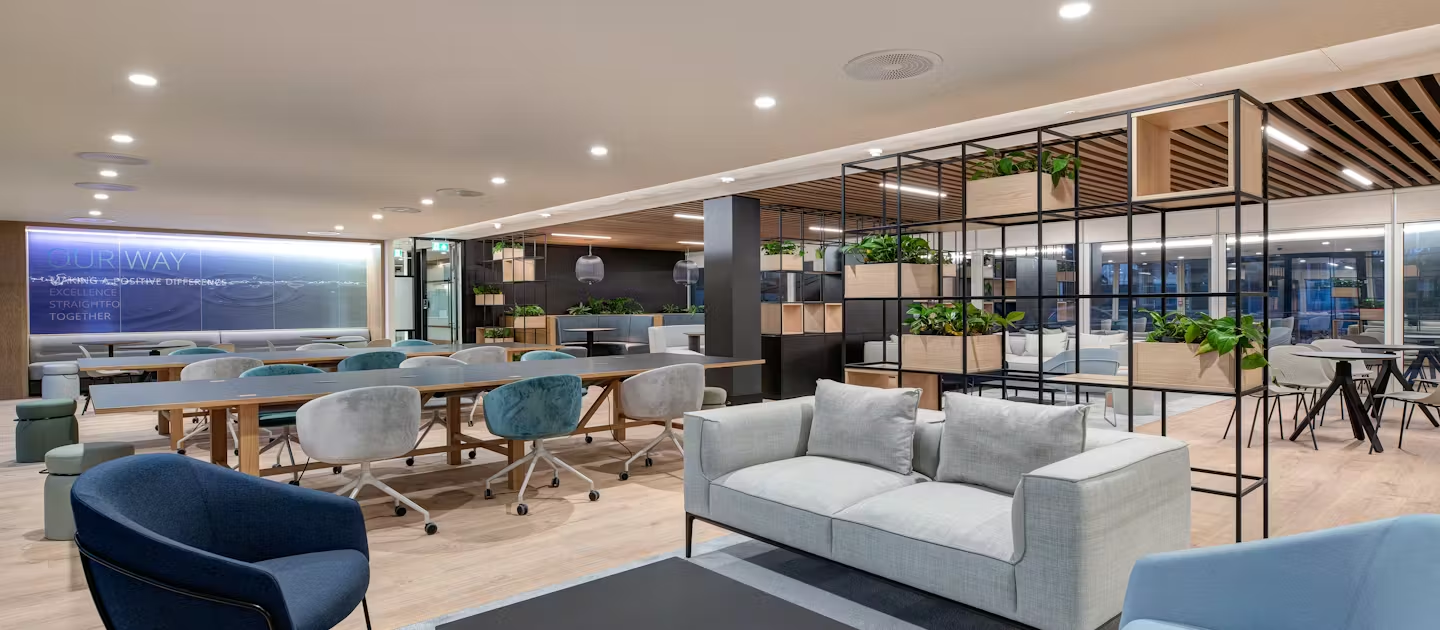
Solution: Introduce collaborative zones, breakout rooms, and communal spaces equipped with technology to facilitate impromptu meetings and brainstorming sessions.
Uninspiring Aesthetics
Office aesthetics are not just about creating a visually pleasing environment; they also influence how employees perceive the values and culture of the company.
Problem: Dull or uninspiring office aesthetics can impact employee morale and creativity.
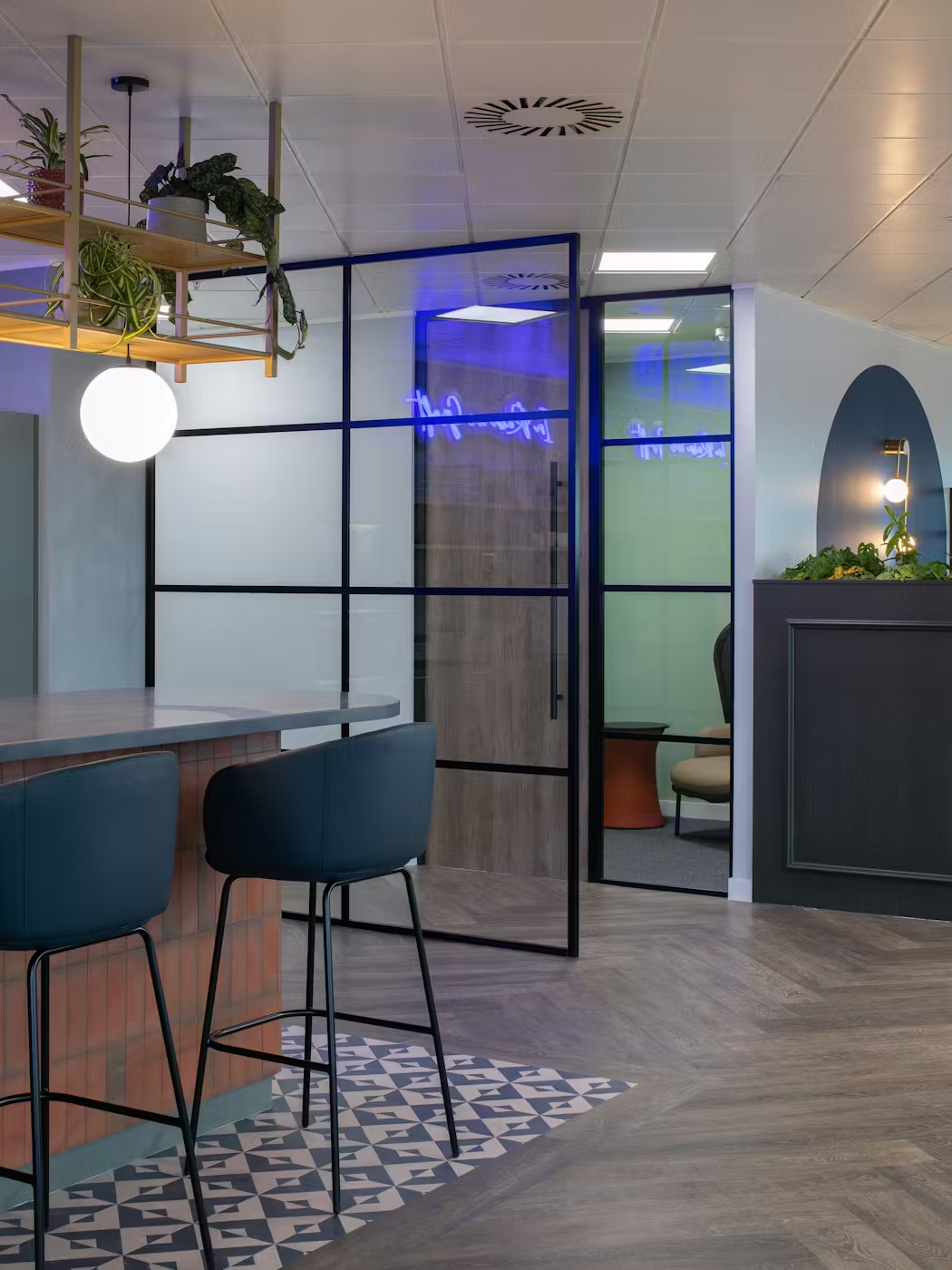
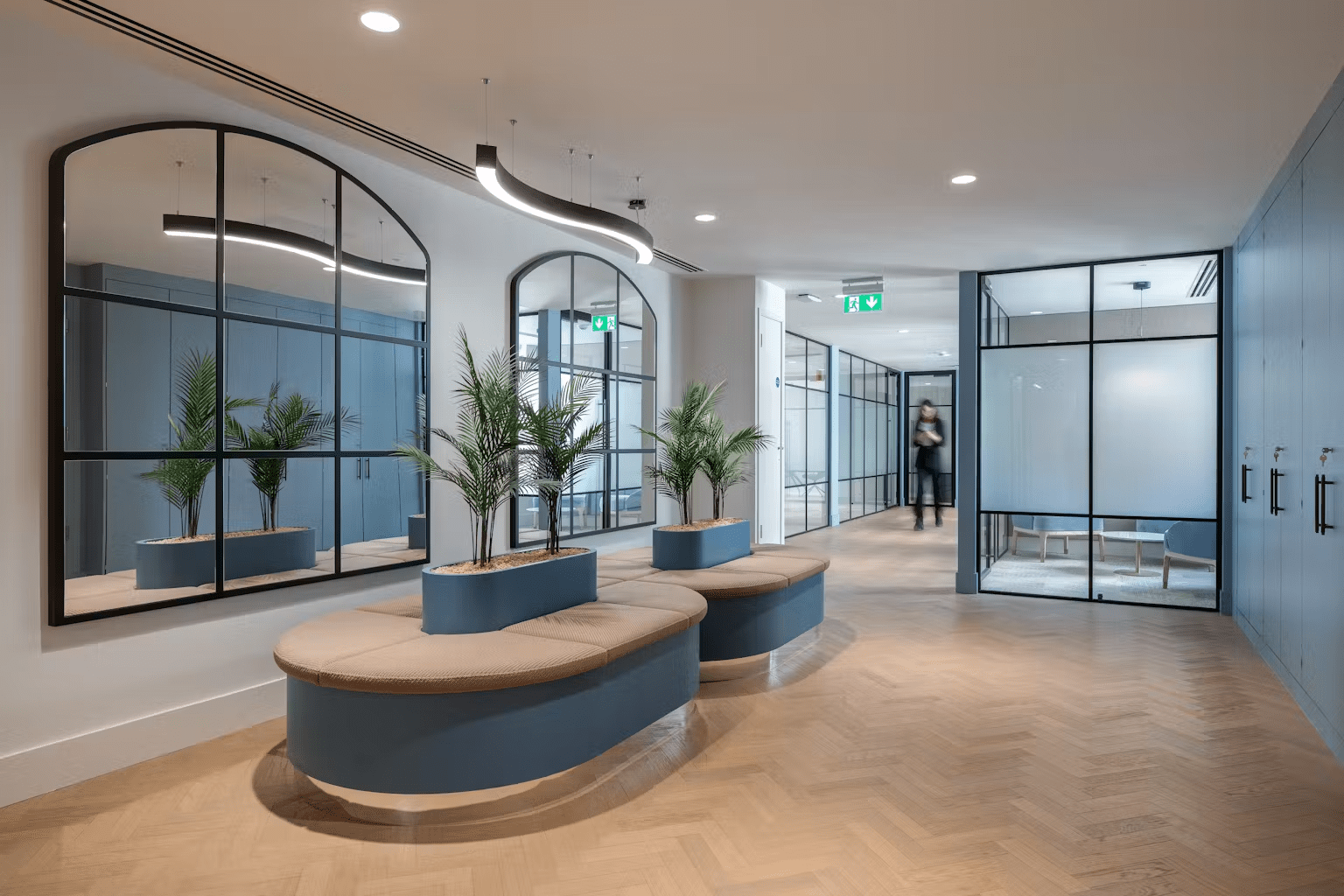
Solution: Incorporate vibrant colours, inspiring artwork, and personalised branded elements to create a visually appealing and motivating atmosphere.
Inflexible Furniture
Having flexible furniture throughout your office that can be adapted to individual needs creates an environment where employees can work at their most comfortable and be as productive as possible. Flexible furniture includes areas or workstations that can be adapted to fit different working styles and situations.
Problem: Fixed and uncomfortable furniture can lead to discomfort and reduced productivity.
Solution: Invest in ergonomic, flexible furniture that can be easily rearranged to accommodate different work styles and preferences.
Limited Technology Integration
As traditional office designs are a thing of the past, and we are constantly moving towards technological advancements, it’s essential to recognise how technology is redefining the landscape of office fit-outs and designs.
Problem: Outdated or insufficient technology can hinder communication and collaboration.
Solution: Stay current with the latest tech trends, integrate collaborative tools, and create a seamless digital experience for employees.
We predict that in 2024, there will be a rise in factors which affect office fit-outs and designs, such as the concept of the 4-day work week. The 4-day workweek introduces the need for more efficient layouts, emphasising productivity during condensed workdays. Another element we predict will affect office designs is smart offices. Smart offices will continue evolving, demanding careful technology integration for seamless operations and employee well-being. There could be a potential prospect of a full-time return to the office, meaning offices will need to accommodate a vast number of people simultaneously, which goes against some of the popular models of 2023, which incorporated smaller, more agile office designs.
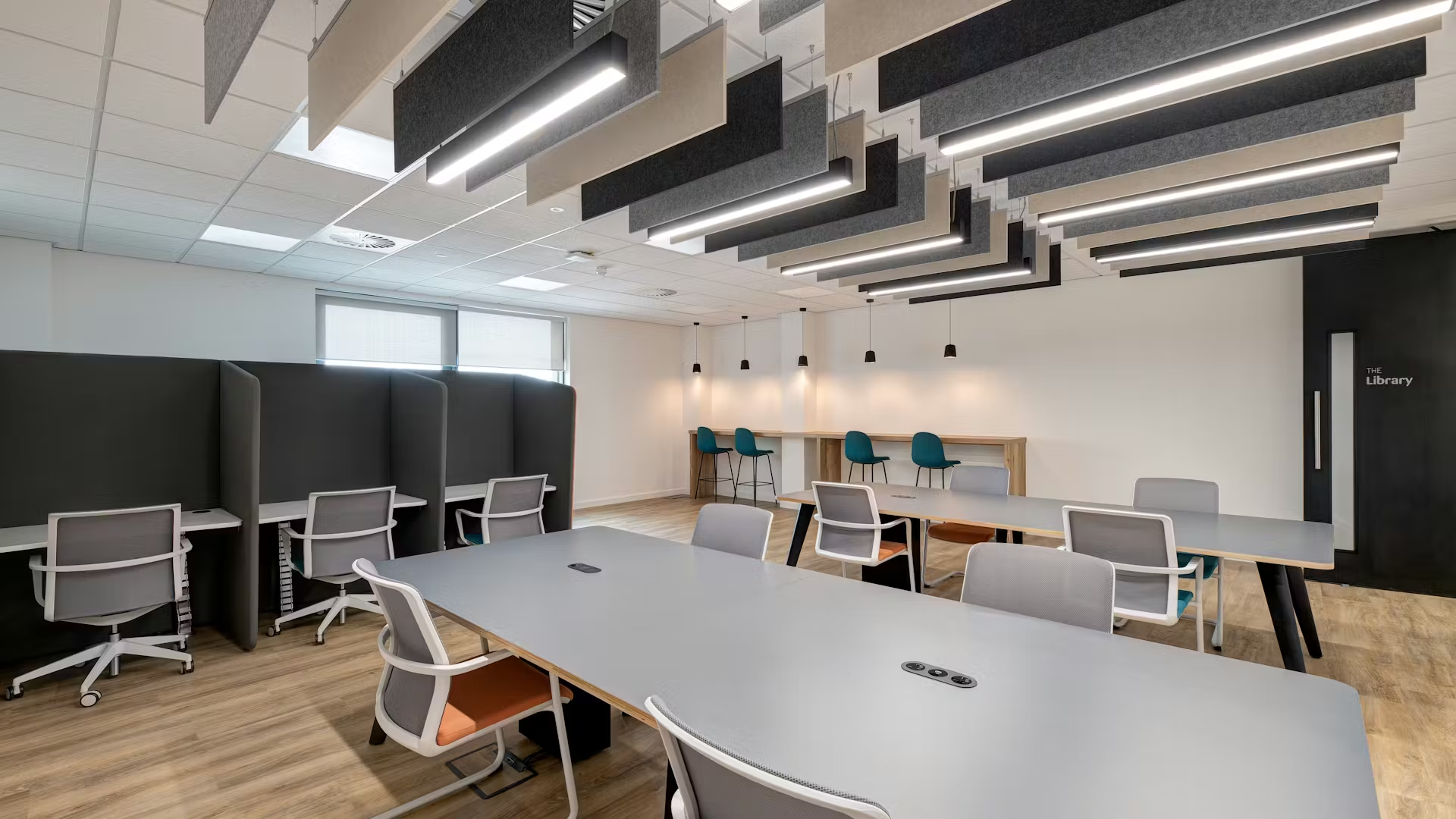
DENTON, solving common office design problems.
Organisations can foster a more productive, collaborative, and employee-centric workplace by addressing these common office design challenges with creative and thoughtful solutions. Embracing flexibility, inclusivity, and a holistic approach to design can transform the office into a dynamic space that adapts to the evolving needs of the modern workforce.
We understand how important office designs are for the general welfare of employees and have the expertise to not only spot common issues but also offer solutions to improve well-being and productivity.
Drop our friendly, experienced team a line today and let’s start a project together. Or browse DENTON’s services and ESG policy to see what other projects we can help you with.
Ashleigh heads up our design team at the Manchester studio and is responsible for many of our show-stopping designs across the country! Actively involved with every aspect of the design, Ashleigh works closely alongside the project from conception to completion. With nearly 8 years of industry experience, she has worked with various clients, building strong relationships and understanding their requirements to create engaging experiences within the office.
When asked what she loves most about being a designer… "Every day is different & you are continuously learning & growing!" Passionate about creating dynamic workspaces that enable people to choose where to work, empower them with inspirational and innovative neighbourhoods within the space, and embrace the company culture surrounding them.
Have a project in mind?
- Experience
- Creativity
- Integrity
- Experience
- Creativity
- Integrity
- Experience
- Creativity
- Integrity
- Experience
- Creativity
- Integrity
- Experience
- Creativity
- Integrity
- Experience
- Creativity
- Integrity
- Experience
- Creativity
- Integrity
- Experience
- Creativity
- Integrity
- Experience
- Creativity
- Integrity
- Experience
- Creativity
- Integrity