• DENTON is acquired by Bowmer + Kirkland Group powering next stage of growth. Click to read more -
  • DENTON is acquired by Bowmer + Kirkland Group powering next stage of growth. Click to read more -
  • DENTON is acquired by Bowmer + Kirkland Group powering next stage of growth. Click to read more -
  • DENTON is acquired by Bowmer + Kirkland Group powering next stage of growth. Click to read more -
  • DENTON is acquired by Bowmer + Kirkland Group powering next stage of growth. Click to read more -
  • DENTON is acquired by Bowmer + Kirkland Group powering next stage of growth. Click to read more -
  • DENTON is acquired by Bowmer + Kirkland Group powering next stage of growth. Click to read more -
  • DENTON is acquired by Bowmer + Kirkland Group powering next stage of growth. Click to read more -
  • DENTON is acquired by Bowmer + Kirkland Group powering next stage of growth. Click to read more -
  • DENTON is acquired by Bowmer + Kirkland Group powering next stage of growth. Click to read more -
  • DENTON is acquired by Bowmer + Kirkland Group powering next stage of growth. Click to read more -
  • DENTON is acquired by Bowmer + Kirkland Group powering next stage of growth. Click to read more -
  • DENTON is acquired by Bowmer + Kirkland Group powering next stage of growth. Click to read more -
  • DENTON is acquired by Bowmer + Kirkland Group powering next stage of growth. Click to read more -
  • DENTON is acquired by Bowmer + Kirkland Group powering next stage of growth. Click to read more -
  • DENTON is acquired by Bowmer + Kirkland Group powering next stage of growth. Click to read more -
  • DENTON is acquired by Bowmer + Kirkland Group powering next stage of growth. Click to read more -
  • DENTON is acquired by Bowmer + Kirkland Group powering next stage of growth. Click to read more -
  • DENTON is acquired by Bowmer + Kirkland Group powering next stage of growth. Click to read more -
  • DENTON is acquired by Bowmer + Kirkland Group powering next stage of growth. Click to read more -
  • DENTON is acquired by Bowmer + Kirkland Group powering next stage of growth. Click to read more -
  • DENTON is acquired by Bowmer + Kirkland Group powering next stage of growth. Click to read more -
  • DENTON is acquired by Bowmer + Kirkland Group powering next stage of growth. Click to read more -
  • DENTON is acquired by Bowmer + Kirkland Group powering next stage of growth. Click to read more -
  • DENTON is acquired by Bowmer + Kirkland Group powering next stage of growth. Click to read more -
  • DENTON is acquired by Bowmer + Kirkland Group powering next stage of growth. Click to read more -
  • DENTON is acquired by Bowmer + Kirkland Group powering next stage of growth. Click to read more -
  • DENTON is acquired by Bowmer + Kirkland Group powering next stage of growth. Click to read more -
  • DENTON is acquired by Bowmer + Kirkland Group powering next stage of growth. Click to read more -
  • DENTON is acquired by Bowmer + Kirkland Group powering next stage of growth. Click to read more -
  • DENTON is acquired by Bowmer + Kirkland Group powering next stage of growth. Click to read more -
  • DENTON is acquired by Bowmer + Kirkland Group powering next stage of growth. Click to read more -
  • DENTON is acquired by Bowmer + Kirkland Group powering next stage of growth. Click to read more -
  • DENTON is acquired by Bowmer + Kirkland Group powering next stage of growth. Click to read more -
  • DENTON is acquired by Bowmer + Kirkland Group powering next stage of growth. Click to read more -
  • DENTON is acquired by Bowmer + Kirkland Group powering next stage of growth. Click to read more -
  • DENTON is acquired by Bowmer + Kirkland Group powering next stage of growth. Click to read more -
  • DENTON is acquired by Bowmer + Kirkland Group powering next stage of growth. Click to read more -
  • DENTON is acquired by Bowmer + Kirkland Group powering next stage of growth. Click to read more -
  • DENTON is acquired by Bowmer + Kirkland Group powering next stage of growth. Click to read more -
  • DENTON is acquired by Bowmer + Kirkland Group powering next stage of growth. Click to read more -
  • DENTON is acquired by Bowmer + Kirkland Group powering next stage of growth. Click to read more -
  • DENTON is acquired by Bowmer + Kirkland Group powering next stage of growth. Click to read more -
  • DENTON is acquired by Bowmer + Kirkland Group powering next stage of growth. Click to read more -
  • DENTON is acquired by Bowmer + Kirkland Group powering next stage of growth. Click to read more -
  • DENTON is acquired by Bowmer + Kirkland Group powering next stage of growth. Click to read more -
  • DENTON is acquired by Bowmer + Kirkland Group powering next stage of growth. Click to read more -
  • DENTON is acquired by Bowmer + Kirkland Group powering next stage of growth. Click to read more -
  • DENTON is acquired by Bowmer + Kirkland Group powering next stage of growth. Click to read more -
  • DENTON is acquired by Bowmer + Kirkland Group powering next stage of growth. Click to read more -
  • DENTON is acquired by Bowmer + Kirkland Group powering next stage of growth. Click to read more -
  • DENTON is acquired by Bowmer + Kirkland Group powering next stage of growth. Click to read more -
  • DENTON is acquired by Bowmer + Kirkland Group powering next stage of growth. Click to read more -
  • DENTON is acquired by Bowmer + Kirkland Group powering next stage of growth. Click to read more -
  • DENTON is acquired by Bowmer + Kirkland Group powering next stage of growth. Click to read more -
  • DENTON is acquired by Bowmer + Kirkland Group powering next stage of growth. Click to read more -
  • DENTON is acquired by Bowmer + Kirkland Group powering next stage of growth. Click to read more -
  • DENTON is acquired by Bowmer + Kirkland Group powering next stage of growth. Click to read more -
  • DENTON is acquired by Bowmer + Kirkland Group powering next stage of growth. Click to read more -
  • DENTON is acquired by Bowmer + Kirkland Group powering next stage of growth. Click to read more -
  • Agile Working – Why and How It Can Work For You! - DENTON
    9:52

    Offering agile working is easy when you design an agile workspace!


    As hybrid and remote work continues to redefine the modern office, the importance of creating agile workspaces has never been more pronounced. With more employees working remotely or on a flexible schedule, agile office designs must now cater to a wide range of needs—fostering collaboration, concentration, and well-being while supporting distributed teams.

    Here we share a few aspects of designing an innovative, agile office space that meets these needs and discuss why you should be considering them.

    Contents:

    1. What is agile working?
    2. How do you create an agile workspace?
    3. Examples of agile working
    4. Benefits of agile working
    5. So, how can we help you design an agile workspace?

    Expand
    InterSystems-Windsor-08-highres-sRGB-scaled-1
    Expand
    Interpath-London-23-highres-sRGB-scaled
    Expand
    Interpath-London-18-highres-sRGB-scaled-1
    Expand
    Interpath-London-29-highres-sRGB-scaled-1
    Expand
    InterSystems-Windsor-22-highres-sRGB-scaled-1
    Expand
    InterSystems-Windsor-27-highres-sRGB-scaled-1
    Expand
    InterSystems-Windsor-08-highres-sRGB-scaled-1
    Expand
    Interpath-London-23-highres-sRGB-scaled
    Expand
    Interpath-London-18-highres-sRGB-scaled-1
    Expand
    Interpath-London-29-highres-sRGB-scaled-1
    Expand
    InterSystems-Windsor-22-highres-sRGB-scaled-1
    Expand
    InterSystems-Windsor-27-highres-sRGB-scaled-1

    DENTON

    Lightbox Image

    What is agile working?

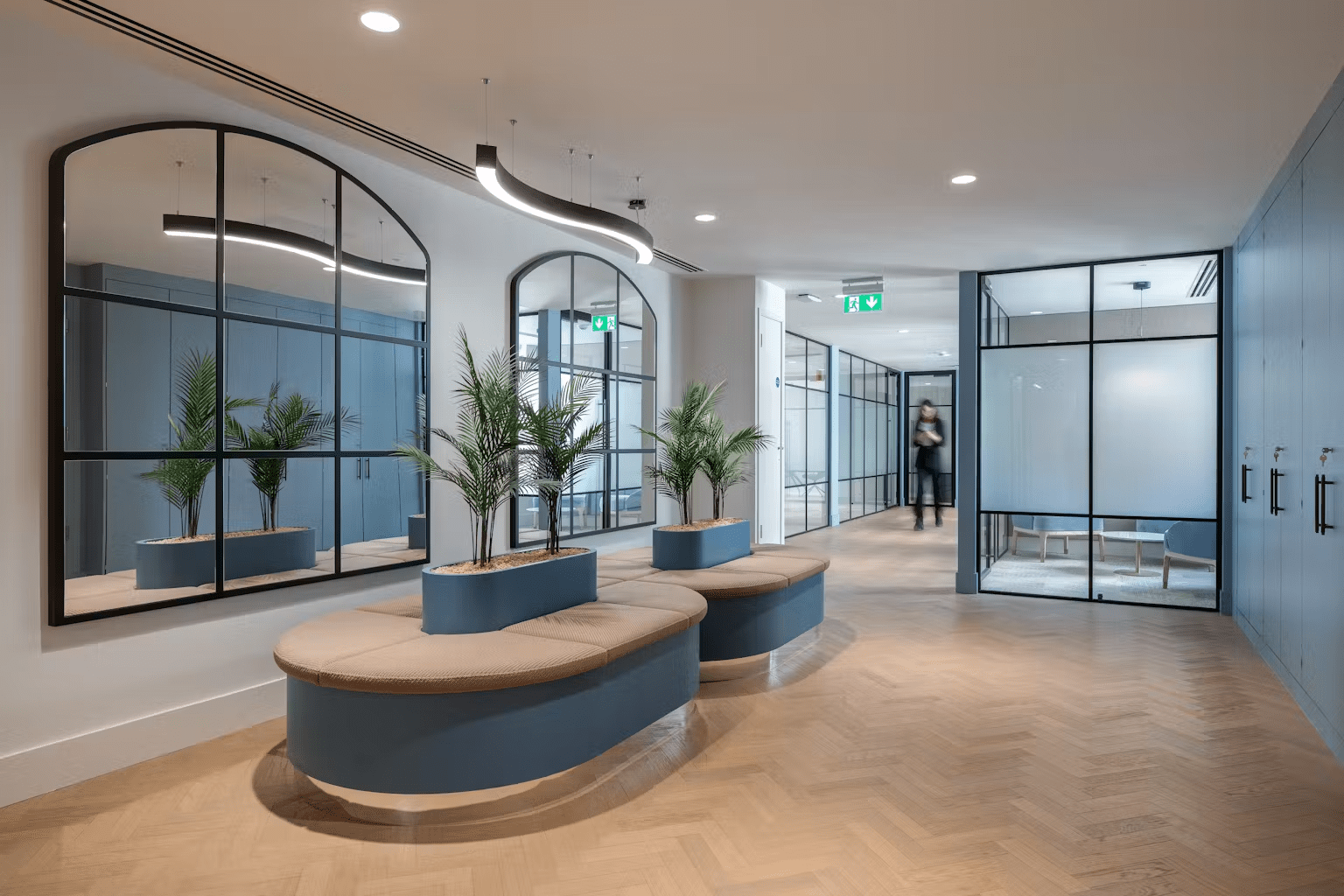
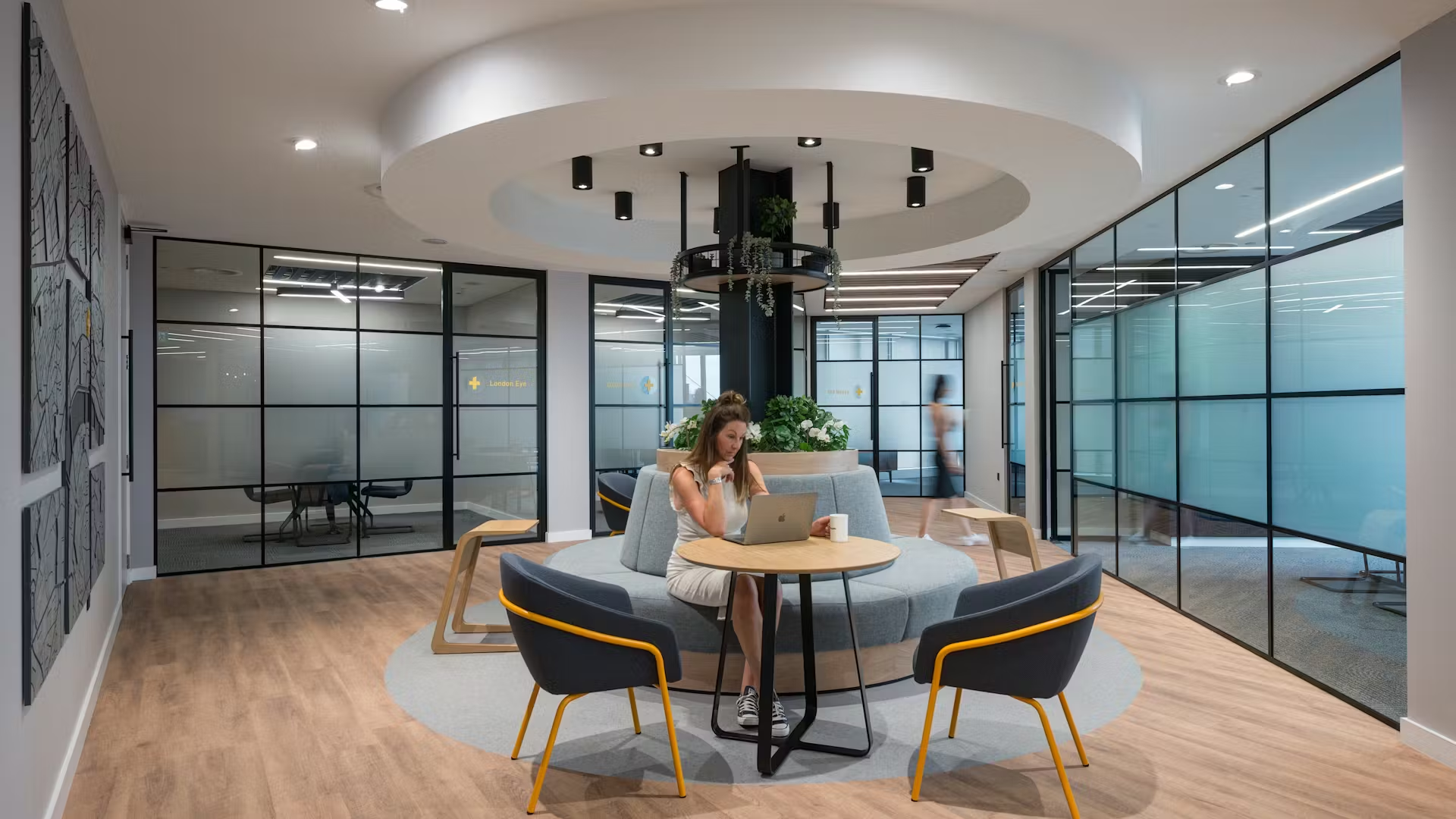
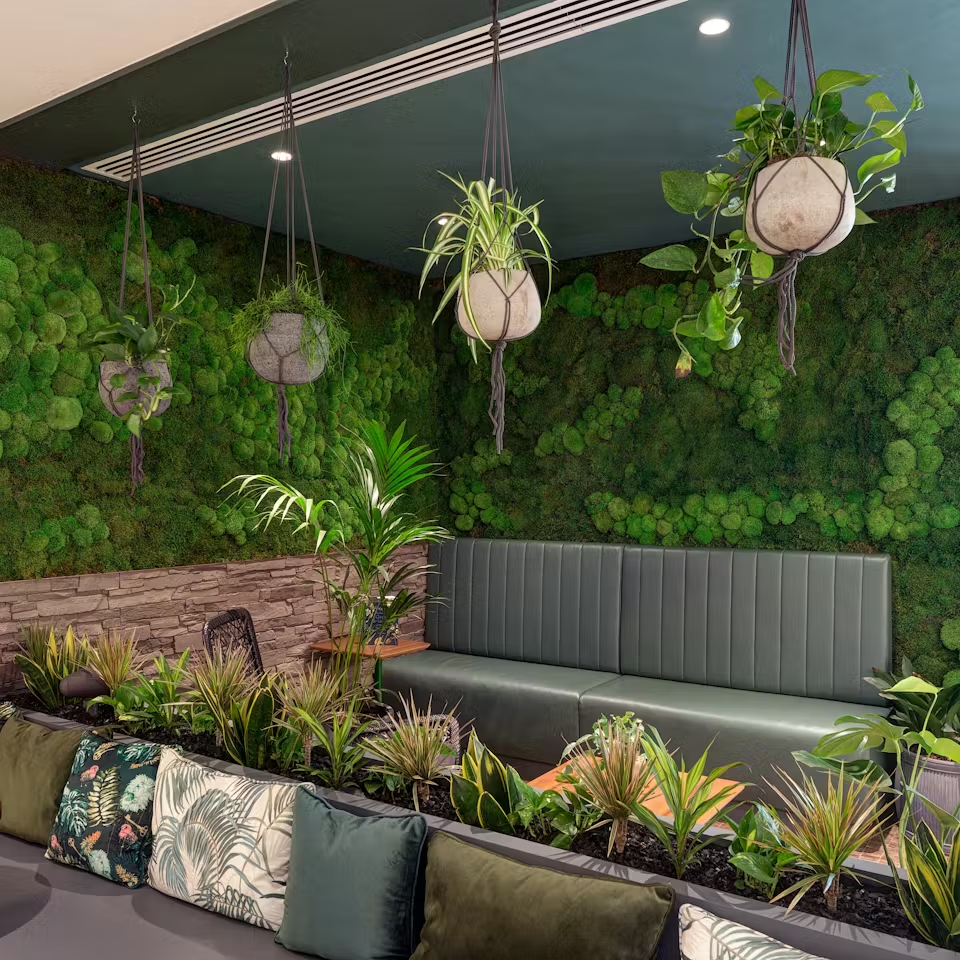
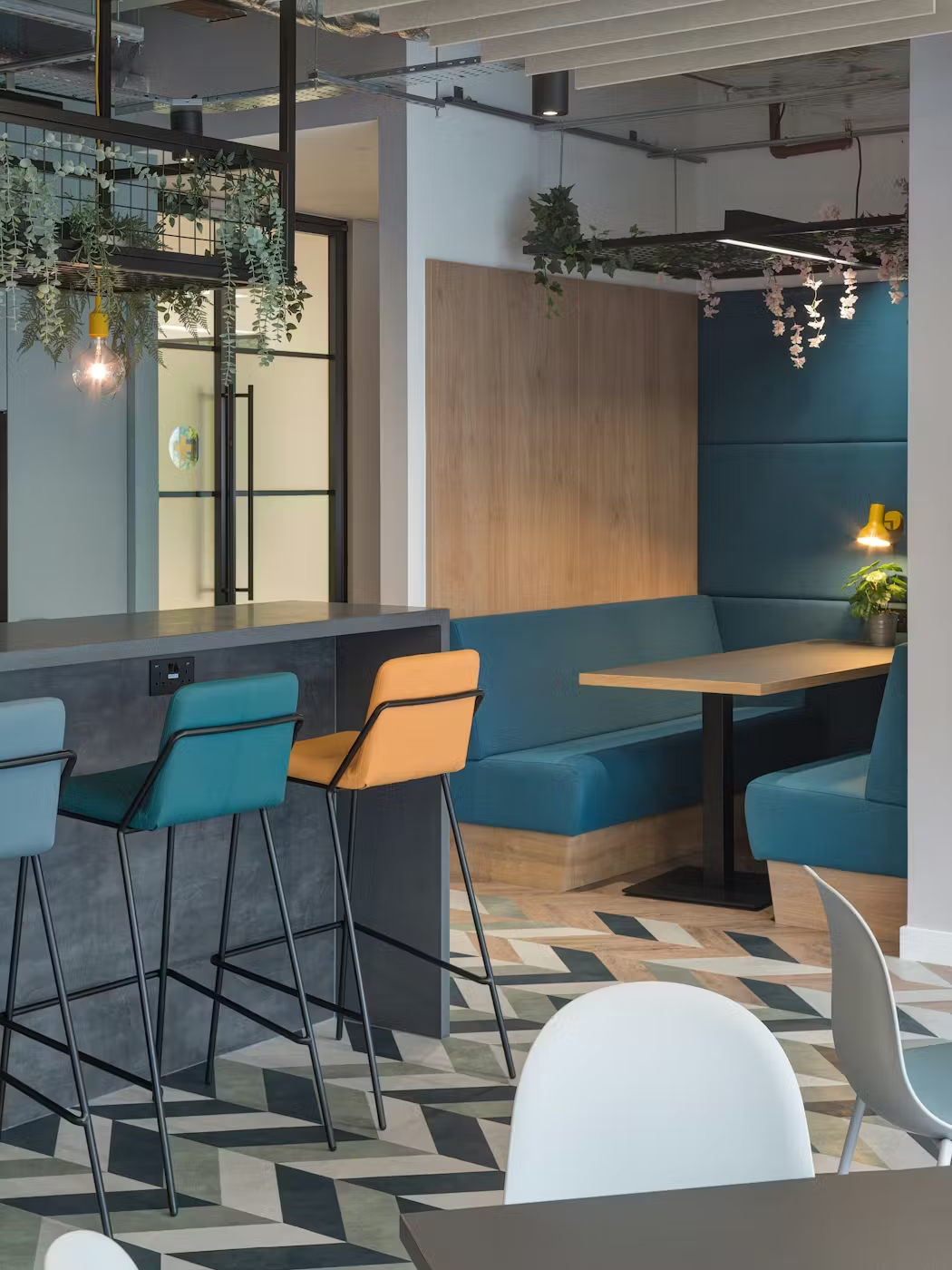
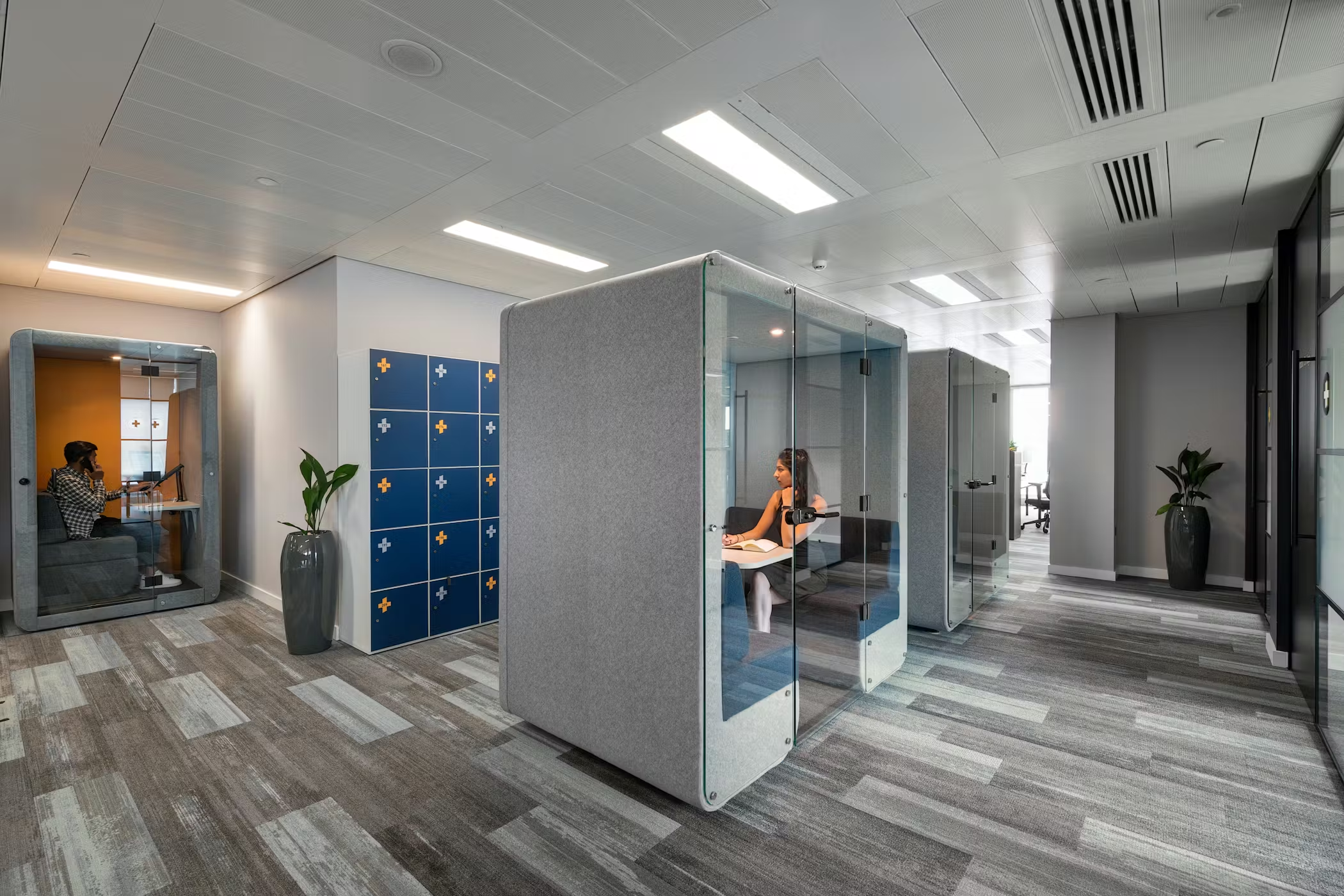
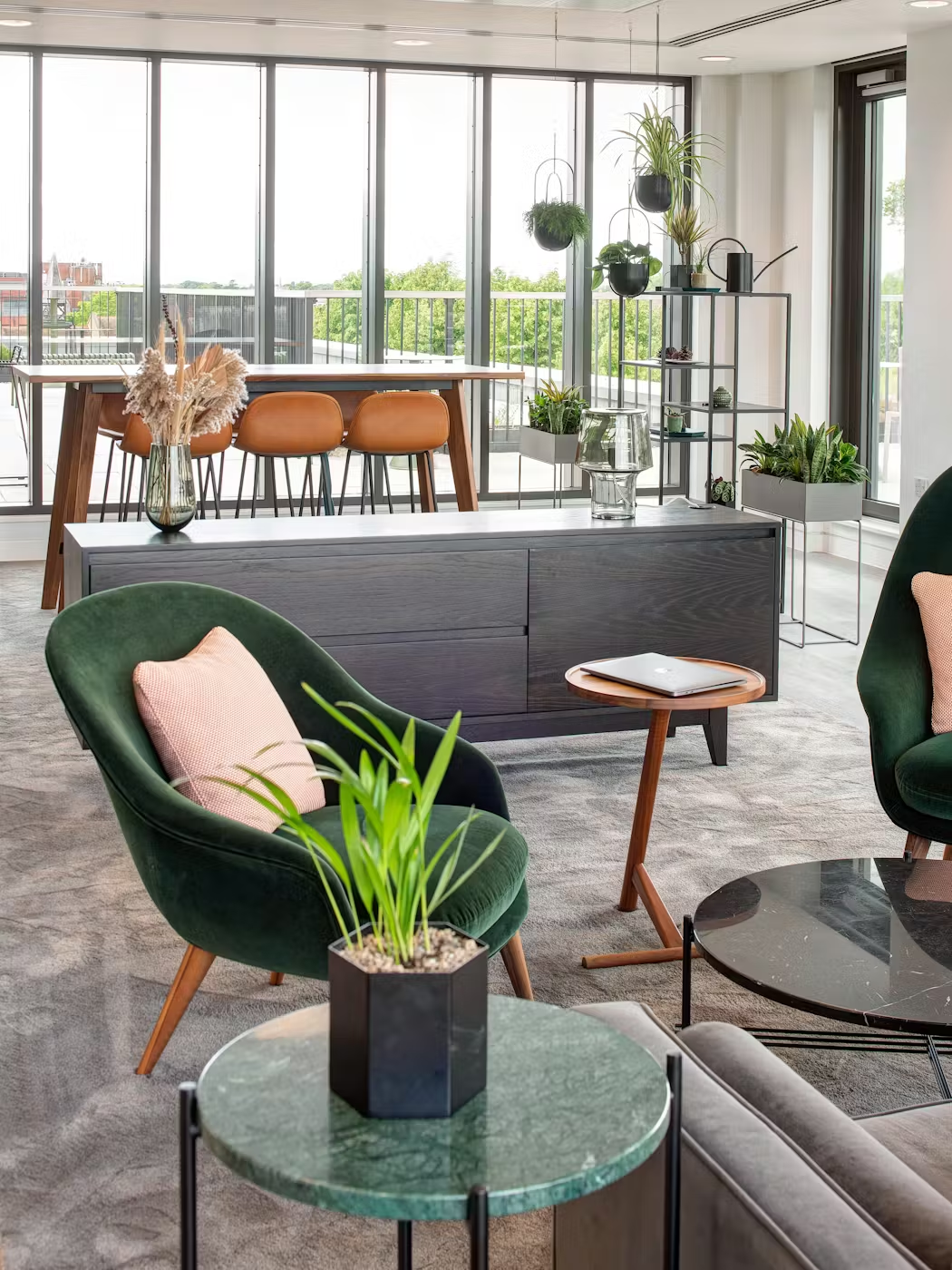
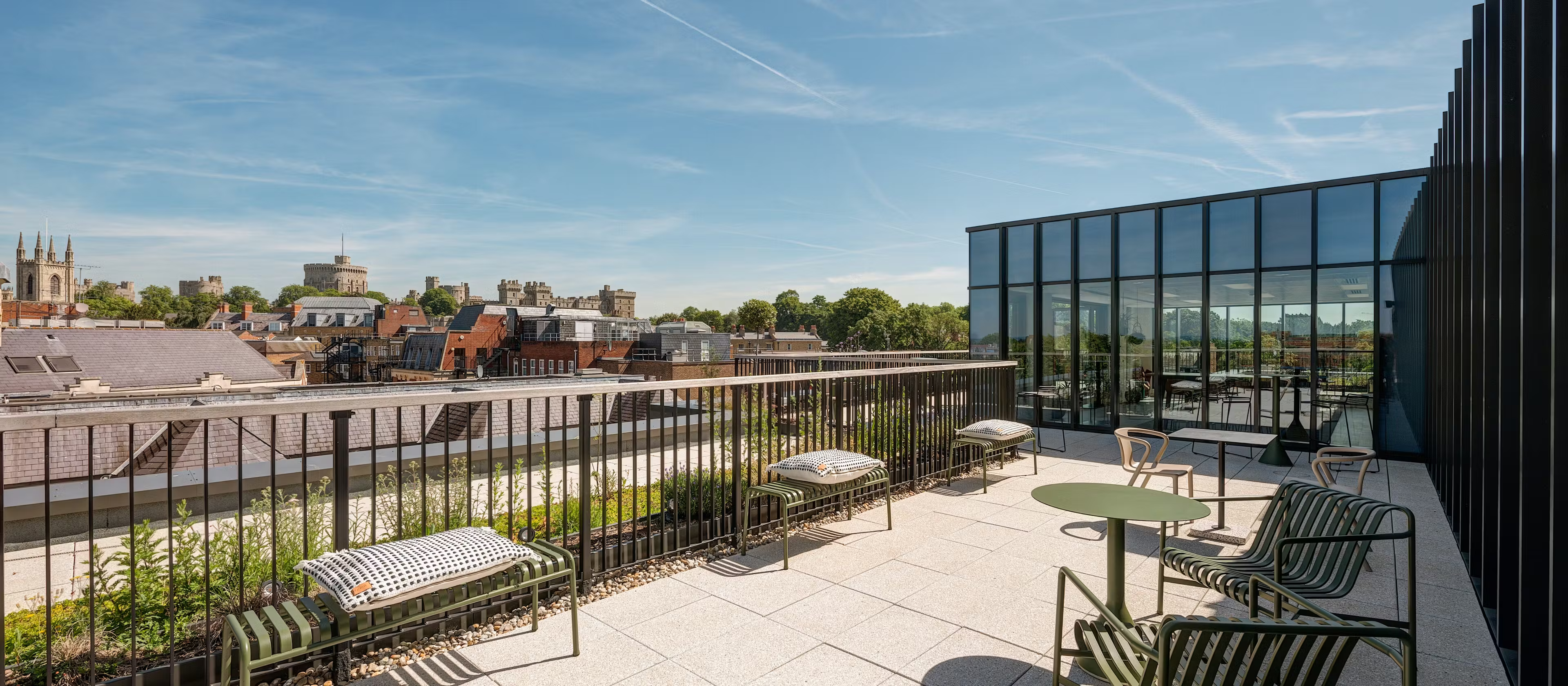
    Agile working is rooted in the way in which we complete tasks. Fundamentally, it allows staff to complete a task without creating unnecessary rules about how they achieve this. Not everything needs to be done at your desk – a rooftop garden or courtyard can inspire creativity and increase productivity. Quiet, comfortable pods can create a safe and focused atmosphere. Or even consider whether staff need to be restricted to being in the office at all.

    Moving into 2025, agile working is evolving beyond just task completion—it’s now about fostering a culture of continuous improvement and psychological safety. As agile teams prioritise professional development and wellbeing, workplaces must be designed to support these values. More organisations are embracing contingent workforces, so agile workspaces must also accommodate freelancers, contractors, and other flexible work arrangements.

    According to DENTON’s founder and director Richard Douglas, agile working requires the workspace to have a “human edge”, providing a “diversity of flexible working locations to suit the task and mood” of the individual.

    How do you create an agile workspace?


    ‘Taking off the lid’
     Richard Douglas, DENTON founder & director 

    To begin creating an agile workspace, Richard Douglas, DENTON founder & director, says we need to look strategically at a building on paper, analyse the surrounding environment and decide where we can make the “best interventions of activities in a space”.

    When planning an agile workspace, you need to almost “take the lid off the building”, working out an invasion plan and assigning dedicated destinations for given activities.

    Elena Colyer-Worsell, a Senior Designer at Denton, explains that the modern way of designing a space is about not necessarily working with a concrete concept.

    To design a modern, eye-catching space, we need to dissect, deconstruct and discuss an organisation’s branding in order to “spark interest”. This is not a complete way of designing but enables us to form a framework upon which an agile solution can be created and built.

    By adopting elements of a business’ identity into a design, each workspace has its own unique, distinctive narrative and story — providing added value.

    And, with the growing integration of AI-driven tools in the workspace and hybrid collaboration tools (video conferencing, AI-supported decision-making), the emphasis on flexible tech needs to be more pronounced. It’s no longer just about physical space; the digital workspace must be considered, as tools like AI and machine learning can help manage remote teams, predict risks, and make the workplace more responsive to change. To learn more, explore our workplace consultancy service or read about the benefits of a Smart Offices.

    Examples of agile working

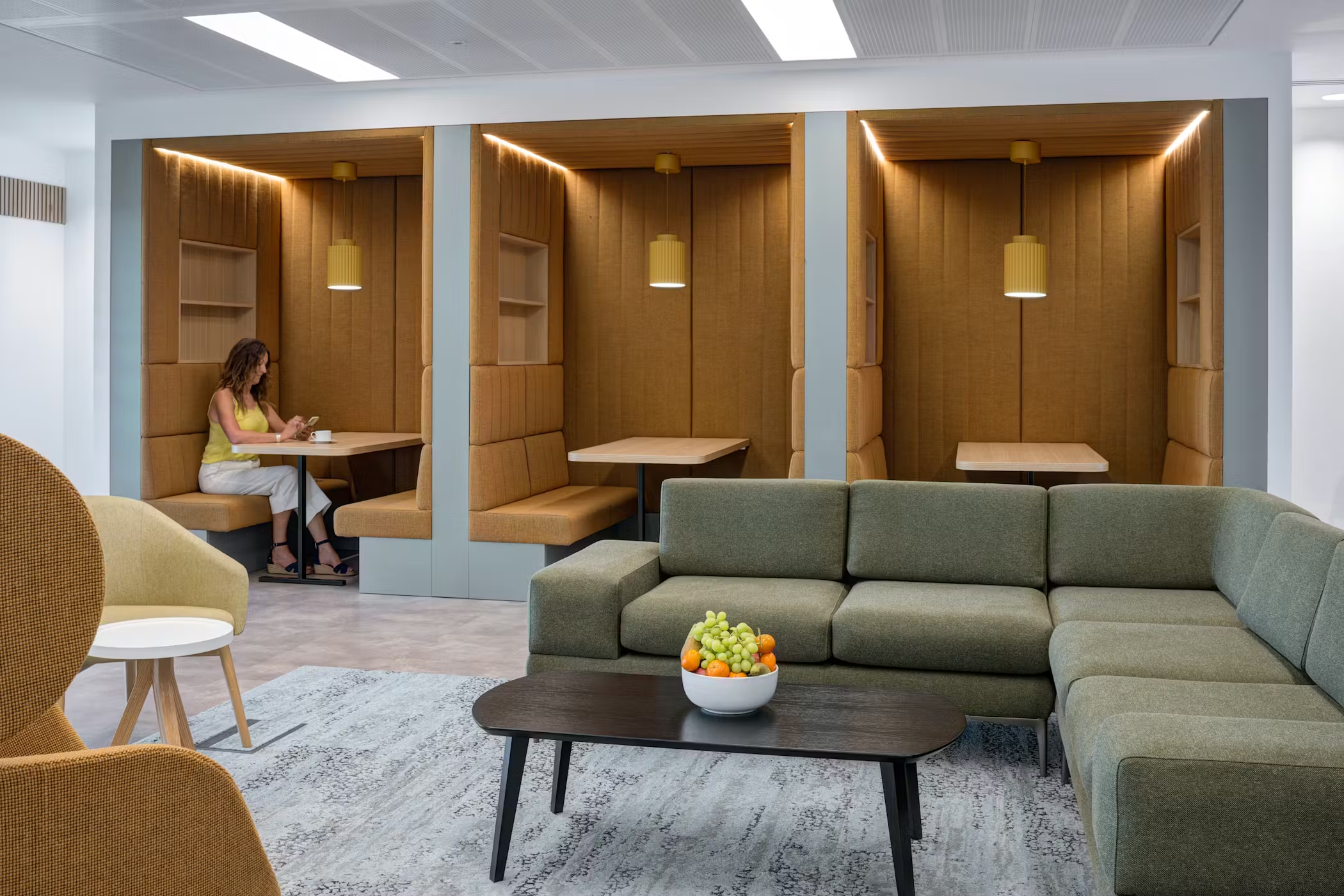
    Agile offices allow flexible working hours, feature adaptable furniture, make optimum use of technology, and emphasise employees and their needs more. Here are just some examples of ways you can redesign your office space to be more agile and flexible:

    • Standing/Sitting desks
    • Designated and comfortable breakout area
    • Low-level accessible furniture
    • Moveable and adaptable furniture
    • Dual-purpose rooms
    • Outdoor walking/seating area
    • Carefully considered open-plan layout
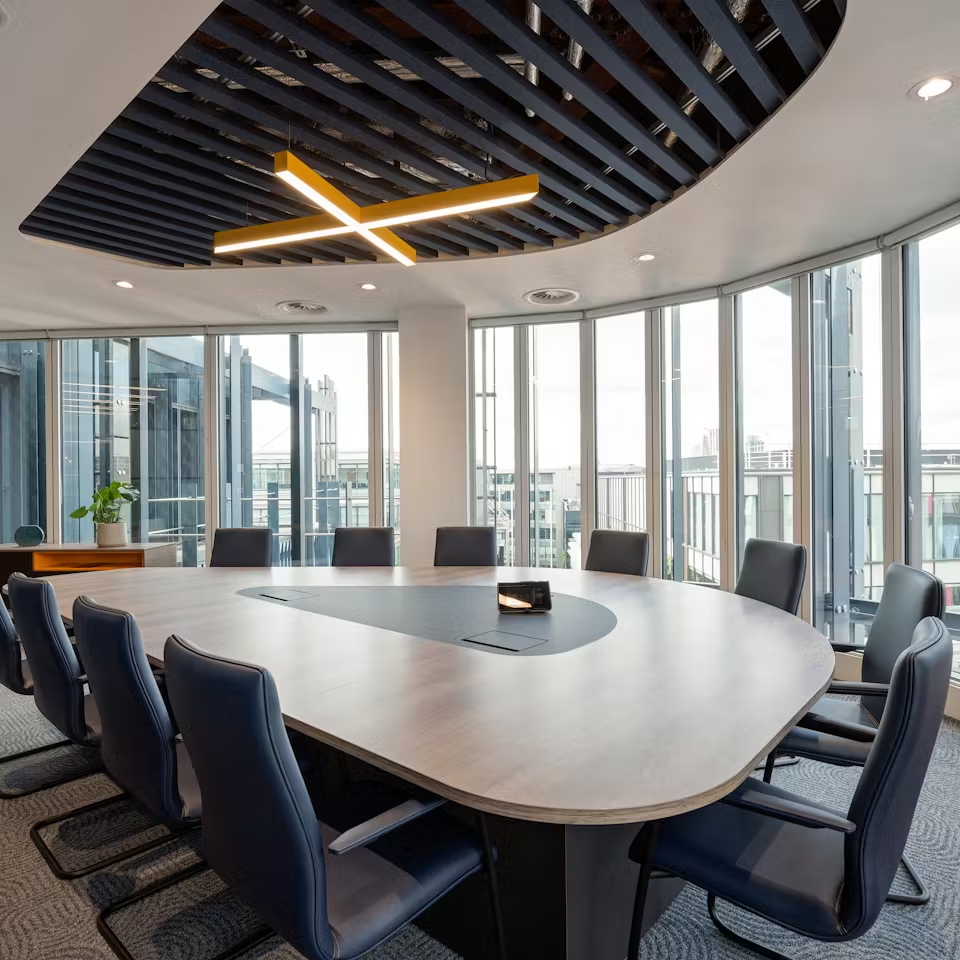
    • Informal and formal meeting rooms
    • digital meeting rooms
    • AI-powered collaboration hubs

    As mentioned above, the definition of agile office design is allowing staff to use the most appropriate space in their office for whatever task they are completing, rather than expecting them to be at their desk. Creatively designed and bespoke areas focus on your brand’s needs and provide the best spaces for tasks to be completed. Partnering with a company like DENTON can make this easy. With many years of experience creating agile workspaces, you have access to their expert advice and innovative ideas when planning your office fit-out.

    InterSystems-Windsor-02-highres-sRGB-scaled-1

    Benefits of agile working

    While there are too many to list, here are just some of the top benefits of an agile workspace:


    Increased office use

    As hybrid or remote working becomes the norm, less and less of us are making use of our office spaces. This presents an issue where employers are spending money on an underutilised space. Redesigning an agile workspace can entice your employees back into the office, providing them with a space which is adaptable and suits their needs for different tasks.

    Even as more staff return to the office as a direct result of the cost of living increasing, it is still important to provide a space they both want to be in and can complete their role in. The increased office use ultimately leads to a lower occupational cost and more space freed up for other purposes.

    Promotes collaboration

    As more staff return to the office, there are more minds available to share ideas and collaborate on different projects. We all know the struggle of trying to complete a task with someone’s help on teams, the technology and internet signal failing on you at every turn. Providing an agile office that is designed specifically for your needs means the space will work for you and your staff, plus promote attendance and collaboration.

    Improved staff wellbeing

    According to Forbes, 87% of workers would like their current employer to offer healthier workspace benefits. This can include things like wellness rooms, ergonomic seating or standing desks to name a few. Creating an agile workspace presents the opportunity to include these aspects into your design, give your staff freedom of choice to how they complete their tasks and ultimately improve their overall happiness and wellbeing.

    Improved productivity 

    A study by Oxford University concluded that 13% of workers who are happy are more productive. As already discussed, an agile office leads to improved wellbeing, which therefore leads to more productivity and efficiency. A great advantage for any business!

    Promotes innovation 

    A carefully considered design and effective office layout is vital to creating an agile space which promotes creativity and innovation. Offering a variety of flexible spaces, from a quiet garden or courtyard to a comfortable collaboration space, allows staff to find new ways of working. It gives them the opportunity to try new things, and feedback new ideas which others may find helpful and improve the overall efficiency of your company.

    Improved talent retention and attraction

    Offices which are considered stimulating and agile will show employees they are valued, and in turn highly skilled staff are more likely to remain loyal. This means they stay in your company longer, can be invested in and will perform better. It is also true for attracting new talent. Companies like Google have been great advocates of this approach, and clearly it works!

    Promoting psychological safety and professional development

    A well-designed agile workspace goes beyond offering flexibility and comfort—it plays a crucial role in fostering psychological safety and promoting professional development. By creating spaces that encourage open communication, collaboration, and respect for individual needs, agile offices provide an environment where employees feel safe to take risks, voice their ideas, and make mistakes without fear of judgment. This sense of security is essential for creativity, innovation, and overall job satisfaction. 

    Additionally, an agile workspace that includes areas for continuous learning—such as quiet rooms for focused work, collaborative spaces for team discussions, and access to technology-driven training resources—can directly support professional growth. Offering employees the flexibility to develop new skills and grow in their roles, while also ensuring their wellbeing, helps build a resilient, engaged workforce. This balance of psychological safety and professional development not only boosts individual performance but contributes to the long-term success and adaptability of the entire organisation.

    So, how can we help you design an agile workspace?

    As the longest-established design and build company in London with offices throughout the UK, we’ve partnered up with businesses and organisations of all shapes and sizes to design and craft incredible workspaces.

    From global iconic brands through to budding SMEs and those beautiful small local businesses, we blend creativity with honesty, experience and integrity to create added-value, agile commercial spaces across all industries and sectors. Browse our office fit-out projects to learn more about our experience.

    Let’s work together. To discuss your next office refurb or fit-out project, drop our friendly, experienced team a line today.

    Ben Lott
    Ben Lott
    Design Director

    With ten years of experience in the design and build industry, Ben is highly passionate about his work as an Interior Designer. Through creative collaboration, Ben has been involved in many of the pivotal jobs that have come through the door at DENTON. He has built lasting relationships with our clients to create innovative solutions for their space.

    Have a project in mind?

    Project Image
    • Experience 
    • Creativity 
    • Integrity 
    • Experience 
    • Creativity 
    • Integrity 
    • Experience 
    • Creativity 
    • Integrity 
    • Experience 
    • Creativity 
    • Integrity 
    • Experience 
    • Creativity 
    • Integrity 
    • Experience 
    • Creativity 
    • Integrity 
    • Experience 
    • Creativity 
    • Integrity 
    • Experience 
    • Creativity 
    • Integrity 
    • Experience 
    • Creativity 
    • Integrity 
    • Experience 
    • Creativity 
    • Integrity